Army Chief Warned in December That Missile Defense Stocks Would Stay Dangerously Low Until 2030
Gen. Randy George, later fired by Hegseth, told the Pentagon the THAAD and Patriot shortage would last about five more years, two months before the Iran war began, officials say.

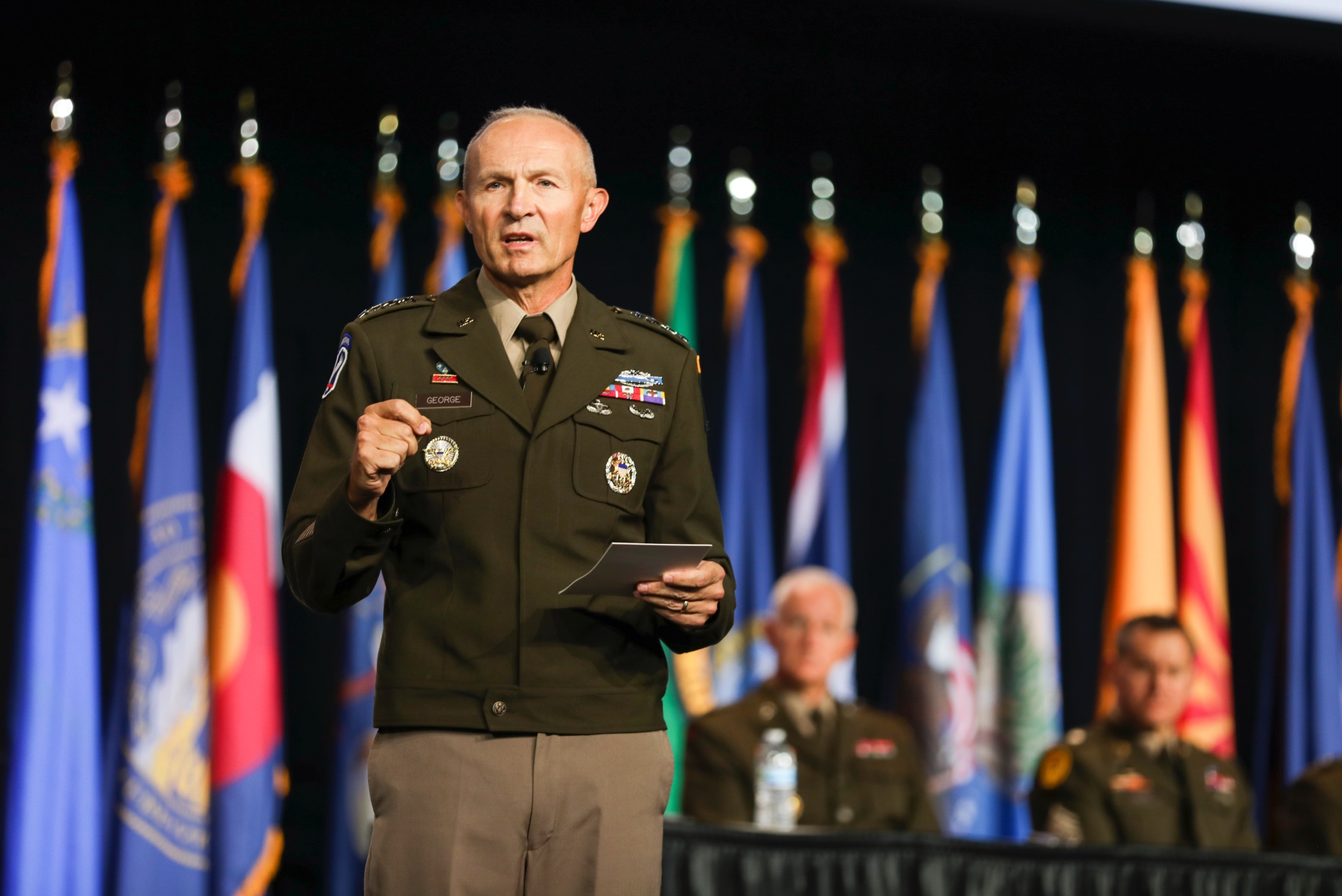
Army Chief of Staff Gen. Randy George warned in late December 2025, about two months before the U.S. war with Iran began, that the Army was critically short of missile defense munitions and that the shortage would last roughly five more years, according to multiple U.S. officials who spoke to CBS News. Defense Secretary Pete Hegseth removed George in April, while the war was under way. George declined to comment.
His assessment appeared in the Pentagon's Global Force Management Allocation Plan, the annual order that allocates troops and weapons around the world. It was written for the fiscal 2027 plan. George said stockpiles of THAAD interceptors and Patriot missiles would stay strategically low until 2030. Officials blamed Patriots sent to Ukraine after Russia's 2022 invasion, munitions fired defending Israel, and a shrunken defense industrial base. CBS withheld exact percentages for security reasons.
The two systems do different jobs. THAAD, the Terminal High Altitude Area Defense system, intercepts ballistic missiles in the last phase of flight. The Army has eight batteries, each with 90 soldiers and six truck-mounted launchers, and a full battery controls 48 interceptors, according to a 2025 Congressional Research Service report. Patriot PAC-3 interceptors are built to destroy tactical ballistic and cruise missiles, and they are at a critical low.
Estimates from the Center for Strategic and International Studies, published in April, show how steep the drawdown has been. Before the Iran war the U.S. held roughly 2,300 Patriot interceptors and used between 1,050 and 1,430 of them, potentially up to 61 percent of its prewar inventory. Fewer than 500 replacements were expected in fiscal 2026. THAAD stock stood at about 355, and between 190 and 290 were used, about 82 percent, with no replacement deliveries expected in fiscal 2026. The U.S. has asked for more than 800 THAADs for fiscal 2027. About 600 Patriot interceptors went to Ukraine, and roughly 150 THAAD and nearly 80 Patriot interceptors were fired during the Twelve Day War, six months before George's assessment.
Rebuilding is slow. A THAAD contract takes four years and five months to deliver, and Patriot PAC-3 orders average three and a half years. One official said that even if no more of either munition were used, restoring stockpiles to December 2025 levels would take until 2030. Lockheed Martin and RTX have signed agreements to speed production, and in January Lockheed announced plans to raise THAAD output from 96 to 400 interceptors a year.
Mark Cancian, a retired Marine colonel at CSIS, said air and missile defense would be "huge" in a conflict with China. He traced the problem to post-Cold War planning that expected short regional wars, and to the 1997 "Last Supper" dinner that led to consolidation, cutting major contractors from 51 to five.
The Pentagon rejected the reporting. Chief spokesman Sean Parnell called the shortage claims "false," said the U.S. has what it needs to strike, and said Central Command, led by Adm. Brad Cooper, has carried out successful operations while keeping a ready arsenal.