General Rejected Moving Troops Farther From Iran Before Kuwait Strike That Killed Six, Sources Say
Brig. Gen. Clint Barnes kept his unit at Kuwait's Port of Shuaiba despite intelligence briefings that it was a likely Iranian target, CBS News reports. More than 20 Democrats now want public hearings.
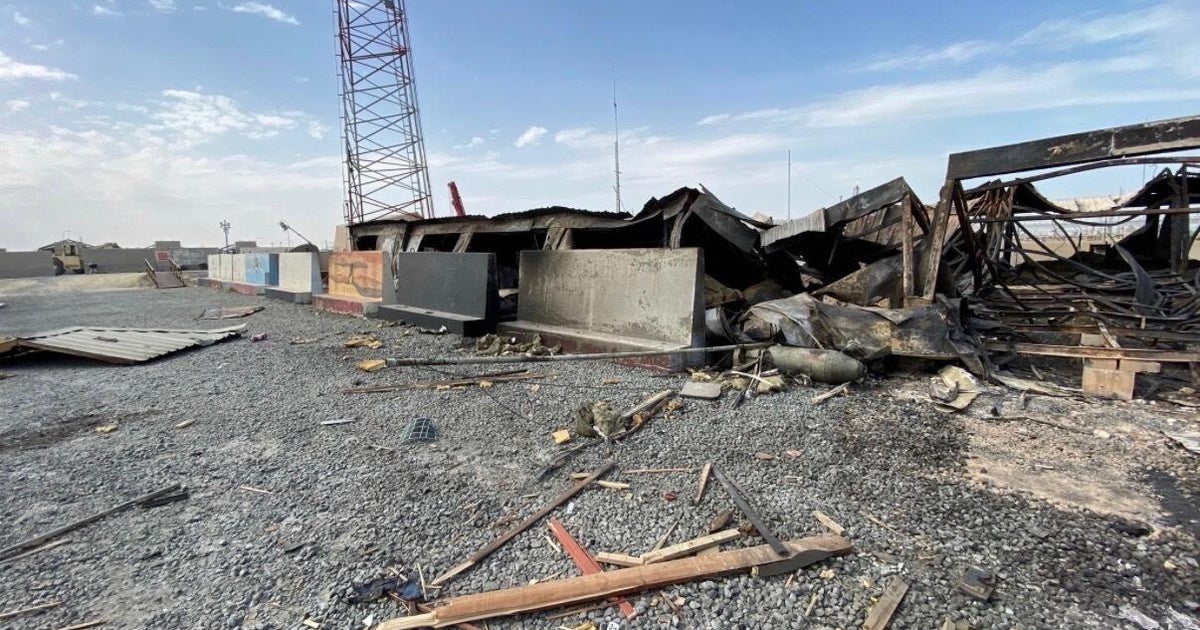
The U.S. soldiers killed by an Iranian drone at a small Kuwaiti port in the opening days of the Iran war could have been moved to safer bases in Saudi Arabia, but their commanding general turned those plans down despite intelligence warning that their post was a likely target, CBS News reported Thursday, citing multiple sources.
About a week before Operation Epic Fury began, most American soldiers and Air Force personnel in Kuwait were shifted to Jordan and Saudi Arabia, farther from Iranian missiles. According to the sources, at least two relocation options were scouted and presented to the leadership of the 103rd Sustainment Command, the Iowa-based Army Reserve unit running logistics for U.S. Central Command. One was Logistical Support Area Jenkins, near the Red Sea port of Yanbu in western Saudi Arabia. The other was Prince Sultan Air Base, southeast of Riyadh.
A third option, backed by the unit's commander, Brig. Gen. Clint Barnes, copied what the previous unit had done during the 12-day Israel-Iran war in July 2025: move from Camp Arifjan to the Port of Shuaiba, about 30 miles south of Kuwait City and roughly 65 miles from Iran. "That was a totally different scenario," one service member told CBS News on condition of anonymity. "Missiles and drones were flying overhead between Iran and Israel and we were more worried about one of them being intercepted and falling out of the sky." Army intelligence began briefing Barnes in January that Shuaiba was a potential Iranian target, the sources said, but in the days before the war he moved the unit there anyway.
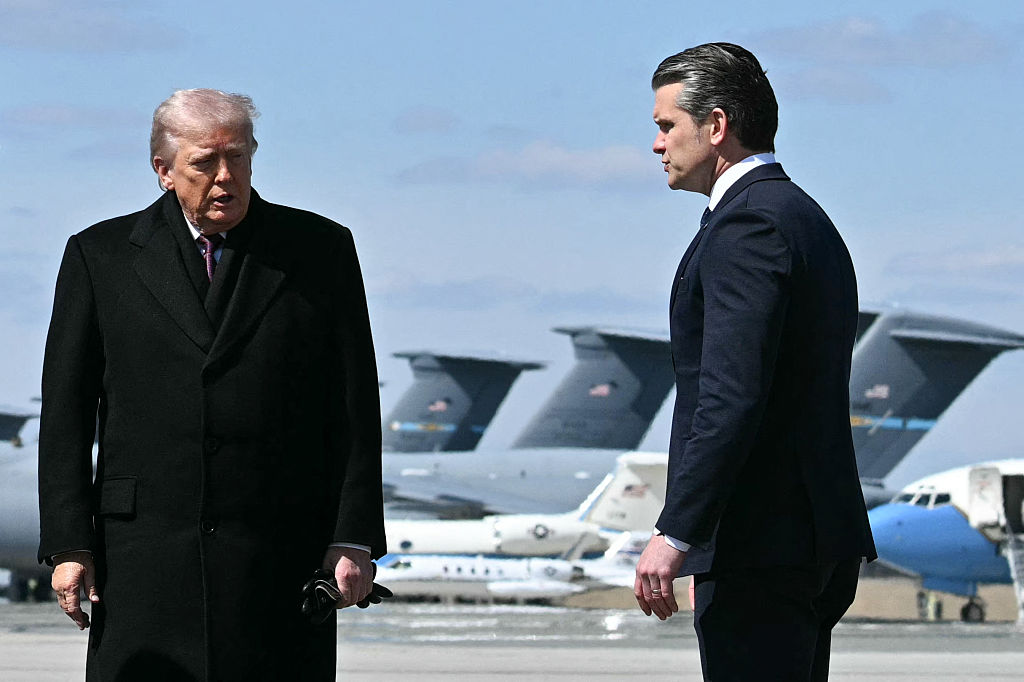
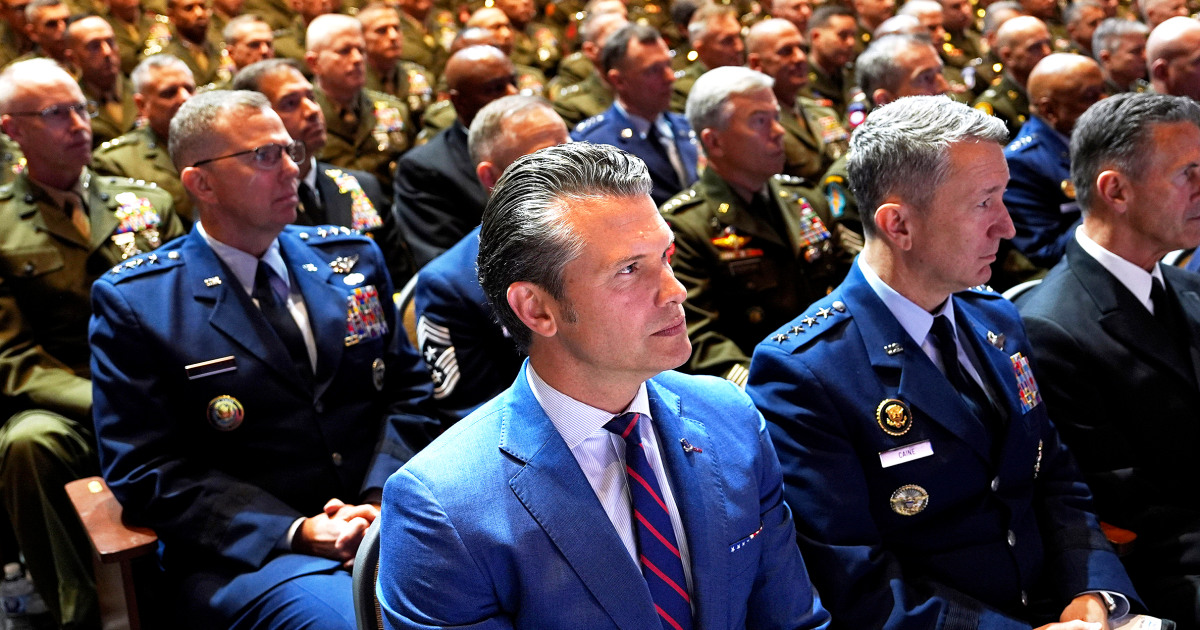
Six U.S. troops were killed and more than 20 wounded when the drone hit on March 1, the deadliest single attack on Americans in the war. A day later, Defense Secretary Pete Hegseth described the drone as a "squirter" that slipped through the defenses of a fortified unit. Survivors have disputed that account. In April, one wounded soldier told CBS News the unit was "unprepared to provide any defense for itself. It was not a fortified position." Maj. Stephen Ramsbottom said in May that Master Sgt. Nicole Amor of Minnesota might have survived had there been a doctor, a fixed aid station or more than one ambulance on site. Witnesses said soldiers triaged each other with makeshift tourniquets and commandeered civilian vehicles to reach two Kuwaiti hospitals.
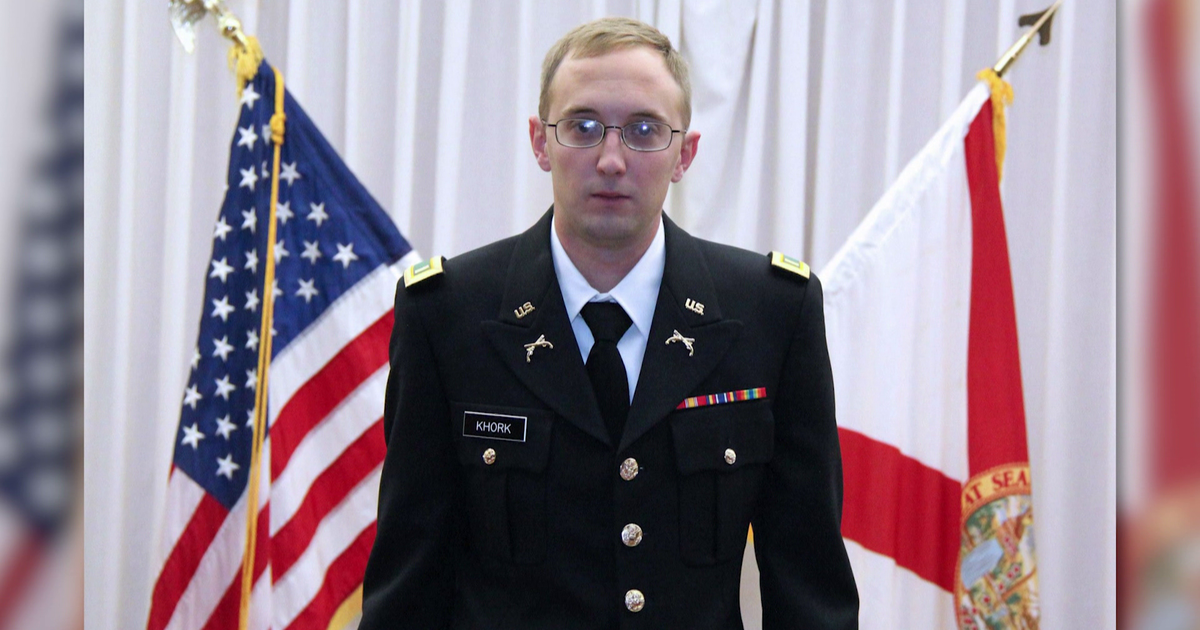
Jim and Stacey Khork, whose son Maj. Cody Khork was killed, told CBS News that he was one of the force protection officers who warned Barnes about the site's vulnerability. "My son died unnecessarily," Stacey Khork said. "Yes, he died for my country. Yes, he was a patriot. Yes, he was a hero. I hate to use the word murder because it's strong, but if a loved one of yours was murdered, our justice system is built to have accountability."
The Army completed its own investigation into the attack in early July but has not released it. An Army spokesperson asked for "patience" and said the service "will not comment on specific details, individual accounts, or leaked portions of the report at this time." The Army declined to comment Thursday, the 103rd Sustainment Command declined comment, and Barnes did not respond to repeated requests. In March, Pentagon spokesperson Sean Parnell wrote that "every possible measure has been taken to safeguard our troops" and that the facility "was fortified with 6-foot walls." Prince Sultan Air Base, one of the rejected alternatives, was also hit by Iranian fire during the war, though no deaths were reported there.
More than 20 congressional Democrats, including Reps. Pat Ryan of New York and Jason Crow of Colorado and Minnesota Sens. Amy Klobuchar and Tina Smith, sent a letter this week to Armed Services chairmen Sen. Roger Wicker and Rep. Mike Rogers asking for public hearings. "It is critical that Congress gets answers on the failures that led to the attacks, and on the subsequent mistreatment of survivors and families of those killed," they wrote. "As the administration continues to ask Congress for more resources for this war, we can no longer afford to wait." The chairmen's offices did not respond. The same day, the Senate voted 49-50 against advancing a resolution to limit the president's war powers in Iran.