Trump Cancels Livestream of Fort Hood Shooter Nidal Hasan's Firing Squad Execution
A U.S. official says the president was persuaded a public execution would run counter to American values and could fan recruitment for Islamist extremist groups, but critics say the damage was done once Hegseth announced it.
President Trump has canceled plans to livestream the execution of Nidal Hasan, the former Army major who carried out the 2009 attack at Fort Hood, Texas. A U.S. official who spoke to NPR on condition of anonymity, citing fear of retribution, said Trump was persuaded that a public execution would run counter to American values and could help recruitment for radical Islamist terrorist groups, putting U.S. forces in the Middle East at greater risk.
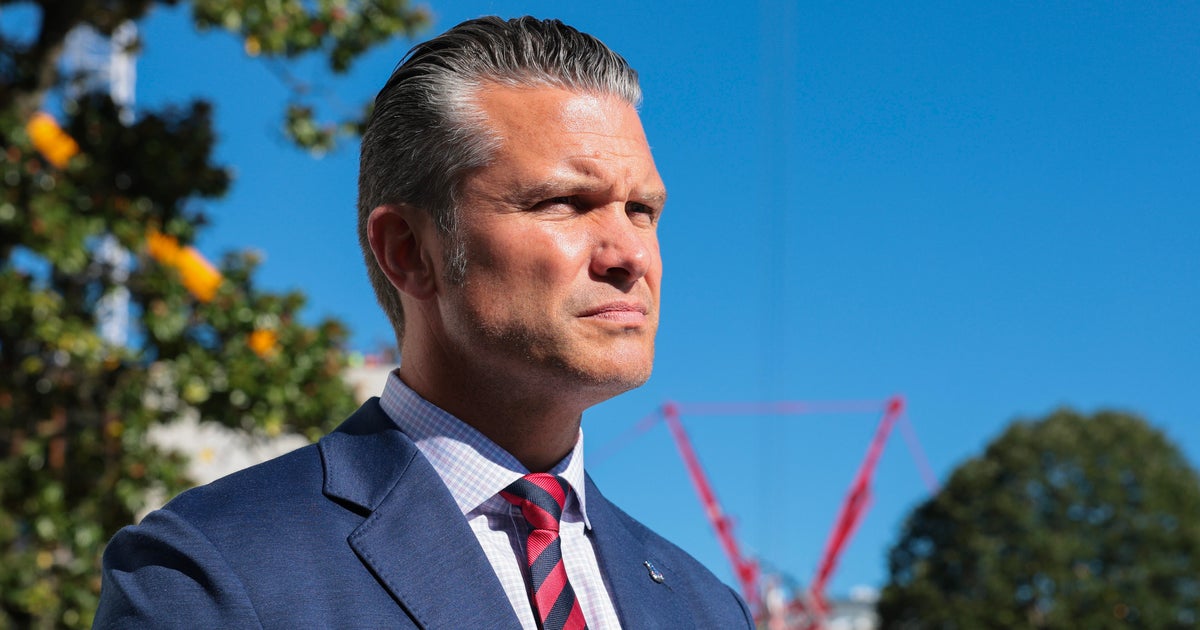
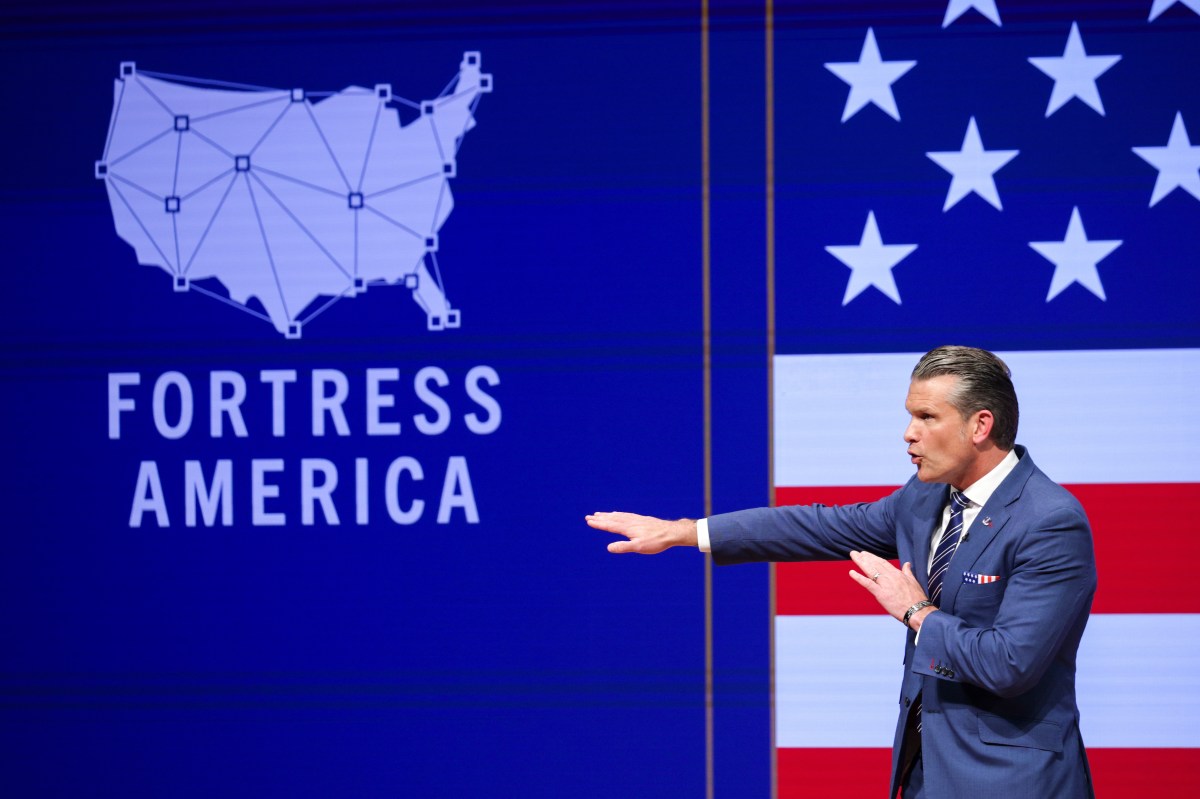
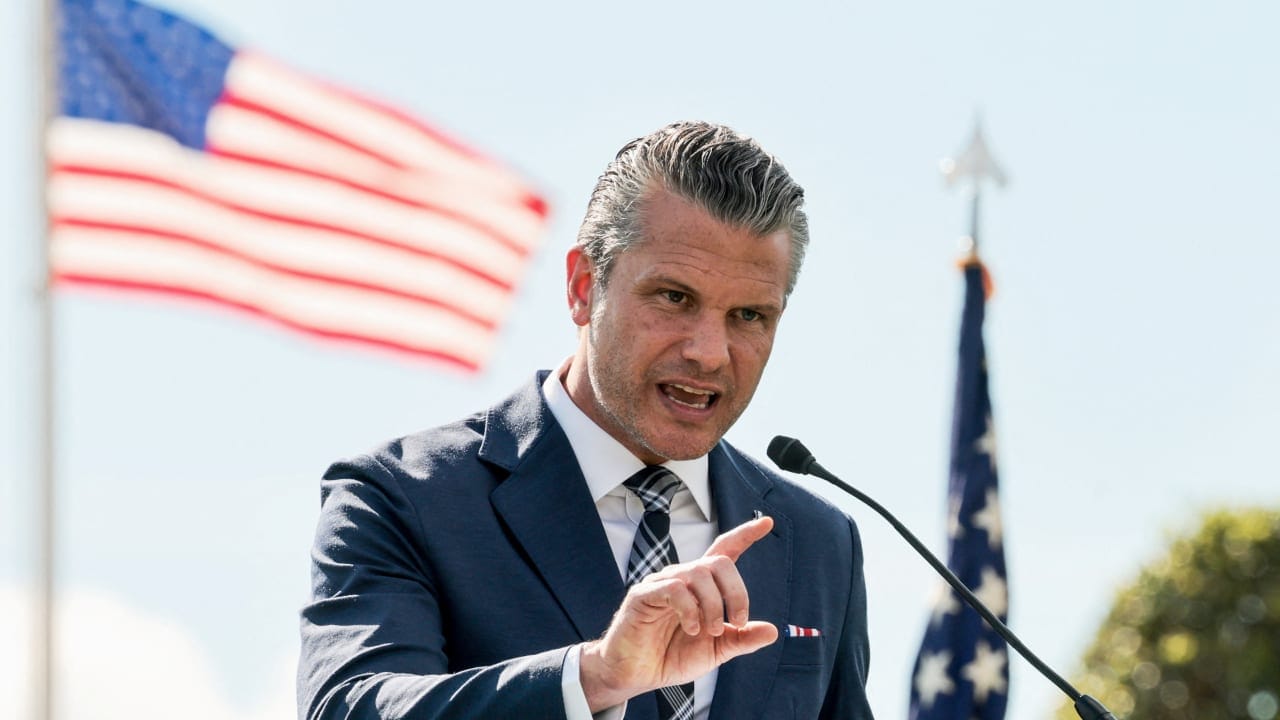
The reversal follows an announcement by Defense Secretary Pete Hegseth that Hasan's death by firing squad would be made public. The last time the federal government carried out a high-profile public execution was 90 years ago. Hasan killed 13 people and injured 32 in the 2009 attack, and his execution is set for Dec. 3.
"We'll make sure that people are able to … watch it, that it's public, because people need to understand that … there's serious consequences for these types of things," Hegseth said in an interview with Real America's Voice, a right-wing streaming network. He suggested the broadcast would deter future attacks.
Even with the livestream scrapped, some religious scholars argue the episode has already shifted what Americans consider acceptable. "Just saying it out loud moves the boundary," said Julie Ingersoll, a professor of religion at the University of North Florida who studies the religious right. "I think one of the most worrisome parts of this development is that … it pushes the boundaries of what's acceptable."
Ingersoll and Matthew Taylor, a visiting scholar at the Center on Faith and Justice at Georgetown University, tied the proposal to Hegseth's religious affiliation with the Communion of Reformed Evangelical Churches, whose leader identifies as a Christian nationalist. Ingersoll said the church shows near "unanimous endorsement" of the death penalty, including public execution. Taylor called Hegseth's idea "an outlier position within American Christianity," including within right-wing Christianity, and described Hegseth as "a religious extremist." NPR said it asked the Pentagon for comment and did not hear back before publication.
Others raised a different concern. Joshua Salaam, president of the Association of Muslim Chaplains, asked why Hasan was being treated differently from anyone executed before him. "The answer that most people from my community will say is it has something to do with his religious beliefs, his religious identity," he said.
The proposal drew condemnation from faith leaders and politicians when it was announced. Archbishop Timothy Broglio, who leads the Catholic archdiocese for the military services, issued a statement of disapproval and told any Catholics who might be assigned to the firing squad to request an excusal.
The idea of televised executions has surfaced in mainstream right-wing circles as well. NPR noted that the late activist Charlie Kirk argued for it on a 2024 podcast, saying an execution "should be public, it should be quick, it should be televised."
Taylor said that even if no broadcast takes place, the episode is a warning about how someone in Hegseth's position can try to reshape government norms. The Pentagon has not said publicly how the Dec. 3 execution will now be handled.