Evacuation of Besieged Oleshky Begins Under Melania Trump-Brokered Truce
Ukrainian and Russian delegations are moving residents out through Russia and Belarus, a route that gives skeptics in Kyiv new fears about Russian troop movements.
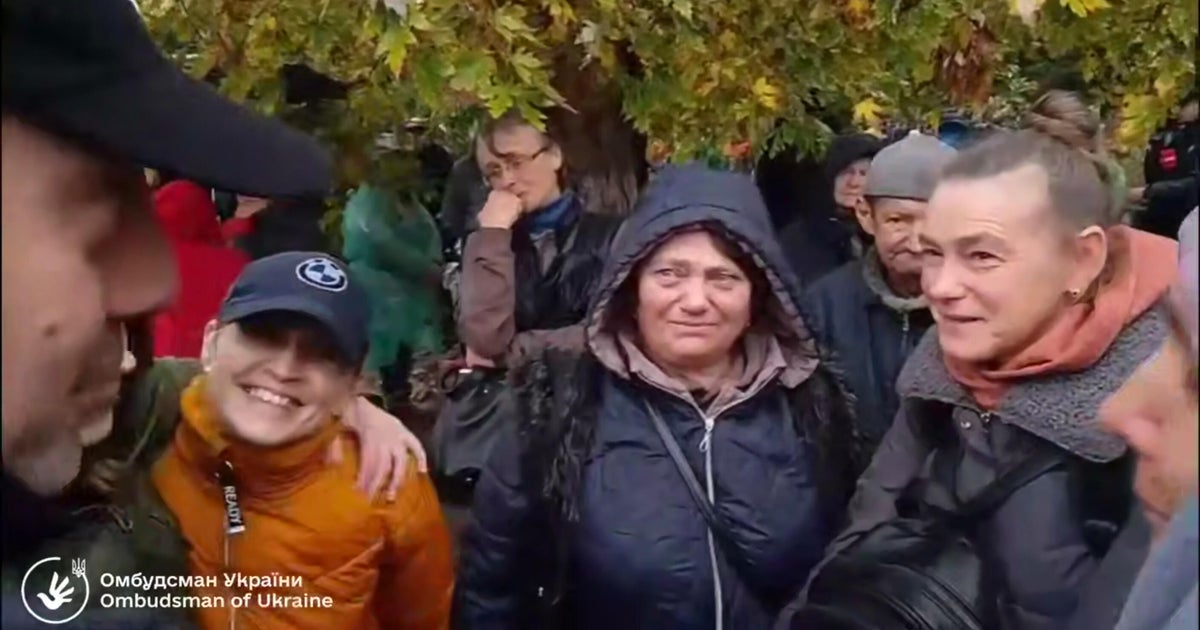
Ukrainian and Russian humanitarian delegations began evacuating residents from Russian-occupied Oleshky on Friday, with plans to move the evacuees through Russia and Belarus before they arrive back in Ukraine on Saturday.
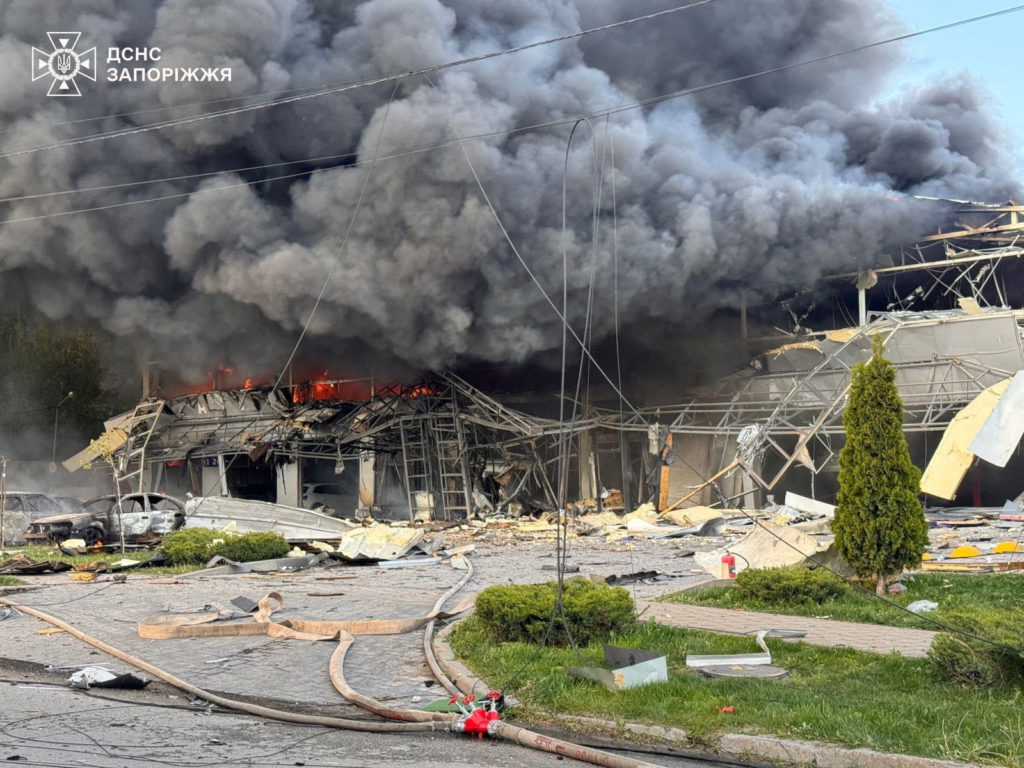
Oleshky, a city in Ukraine's southeastern Kherson region, has been occupied by Russia since the first days of the war. It has endured one of the most dire humanitarian crises of the conflict. Russian strikes on the surrounding area have prevented food, water and medicine from reaching the city for months.
Last week, first lady Melania Trump brokered a temporary ceasefire to allow the evacuation. The truce is localized, and fighting has continued elsewhere. Russian strikes were reported elsewhere on Thursday even as the Oleshky pause held.
The localized ceasefire comes after President Trump increased pressure on Kyiv to stop striking Russian energy targets ahead of the U.S. midterm elections next week. Some Ukrainian officials doubt Moscow's motives. Vadym Ivchenko, a member of Ukraine's parliament on its defense, intelligence and national security committee, told CBS News that because the talks were led by the U.S. and Melania Trump, 'the Russians have agreed to this ceasefire to show that they are a reliable partner for these negotiations and other future peace negotiations with Ukraine.'
Others see a military risk. Ukrainian journalist Nastia Nagorna wrote on Facebook: 'Under the pretext of evacuating people from Oleshky, they are moving their troops forward. This poses a direct threat to the city of Kherson and the Right Bank.' She warned the risk grows if such humanitarian missions become a 'monthly' occurrence or take on any other form of regularity. That, she wrote, would let Russian forces, under the guise of delivering humanitarian aid, gather a significant concentration of troops and resources.
The unusual evacuation route, through Russia and Belarus rather than across the front line, reflects how little trust exists between the two sides. It also means evacuees will spend a day in territory controlled by the country that has besieged their city before they reach Ukrainian-held ground.
Oleshky sits across the Dnipro River from the city of Kherson, which is why its fate matters beyond the humanitarian toll. Residents who have been cut off for months have had little access to basic supplies, and aid groups have struggled to reach them.
The pause is scheduled to last six days. Whether it ends with a lasting arrangement for civilians, or becomes another disputed chapter in the diplomacy around Russia's war, will become clearer as the evacuees arrive and the truce expires.