A Federal Judge Blocked the 'Loyalty Question' on Federal Job Applications. It Asked Candidates to Name Trump Policies That Were 'Significant' to Them and Explain How They Would Advance Them.
Judge George O'Toole Jr. found the essay prompt 'calls for the applicant's personal views on a political topic' and likely violates the First Amendment. It had appeared on more than 70,000 postings for nonpartisan civil service jobs since May 2025. OPM has until the end of the week to pull it.
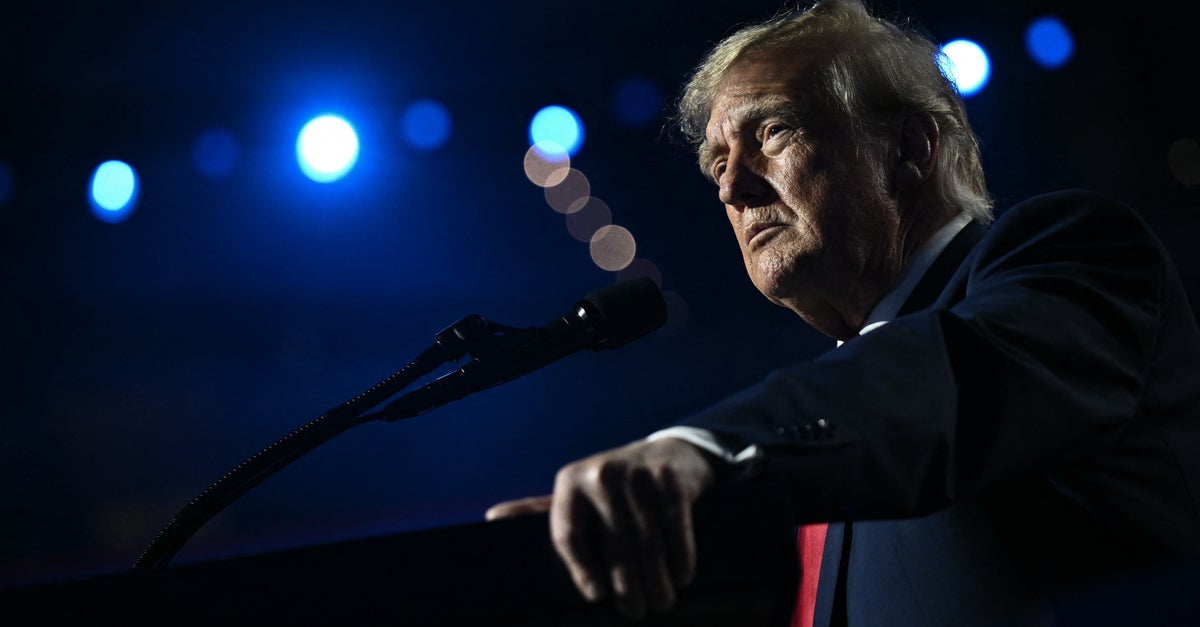
A federal judge has halted the Trump administration's practice of asking applicants for nonpartisan federal jobs to write an essay about which of the president's policies matter most to them and how they would carry them out if hired. In an order issued Friday, U.S. District Judge George O'Toole Jr. found that the question, which critics have called a loyalty test, likely violates the First Amendment and the Administrative Procedure Act, and he directed the Office of Personnel Management to stop using it.
The prompt, known inside OPM as Question Three, required candidates for positions at the GS-5 level and above to identify executive orders or policy initiatives that were "significant" to them and explain how they would help implement those priorities. It was added as part of the administration's "merit hiring plan" in May 2025, which grew out of an executive order President Trump signed in January 2025 directing OPM to build a workforce of "only highly skilled Americans dedicated to the furtherance of American ideals, values, and interests." By the time the unions sued in November 2025, the question had appeared on more than 70,000 federal job announcements.
O'Toole did not find the distinction the government drew persuasive. "The plain language of Question Three calls for the applicant's personal views on a political topic, and directly links that personal view to the duties of the desired civil service job," he wrote. OPM had argued that agencies were required to include the question but that candidates were free not to answer it, a clarification the agency issued after the litigation began. The judge's order treats that as beside the point: the government was still asking, and applicants had every reason to believe their answers would be read.
The suit was brought by the American Federation of Government Employees, the American Federation of State, County and Municipal Employees and the National Association of Government Employees, which together represent hundreds of thousands of federal workers. They argued that the question politicized a civil service that has been governed by merit principles since the Pendleton Act of 1883, and that it chilled the speech of applicants who disagreed with the administration or simply did not want to volunteer their politics to get a job processing veterans' claims or inspecting meat. OPM declined to comment, saying it does not discuss pending litigation.
The order gives OPM until the end of the week to comply and to notify agencies that the question must come off active postings. The government can appeal to the First Circuit, and the administration has taken other adverse workforce rulings up the chain quickly. Last week alone, federal judges found that the Department of Homeland Security acted unlawfully in cutting FEMA's workforce in half and that the Postal Service could not implement a mail-ballot rule before the midterms, decisions the administration has either appealed or said it will.
The loyalty question was one piece of a much larger effort to reshape who works for the federal government and on what terms. The administration has reclassified tens of thousands of career positions under the Schedule F successor rule, fired more than 200 immigration judges and replaced them with adjudicators vetted for enforcement loyalty, and pushed out senior officials across agencies. Friday's ruling does not touch any of that. It does say, for now, that the government cannot make explaining your enthusiasm for the president's agenda a step in the application for a job that is supposed to belong to no party.
Originally reported by HuffPost.