Federal Courts Block DOGE Mass Layoffs in Three Circuits as Legal Challenges Mount
Judges in the D.C., Ninth, and Fourth Circuits issued preliminary injunctions, finding that terminating tens of thousands of federal employees without civil service procedures likely violates the law.

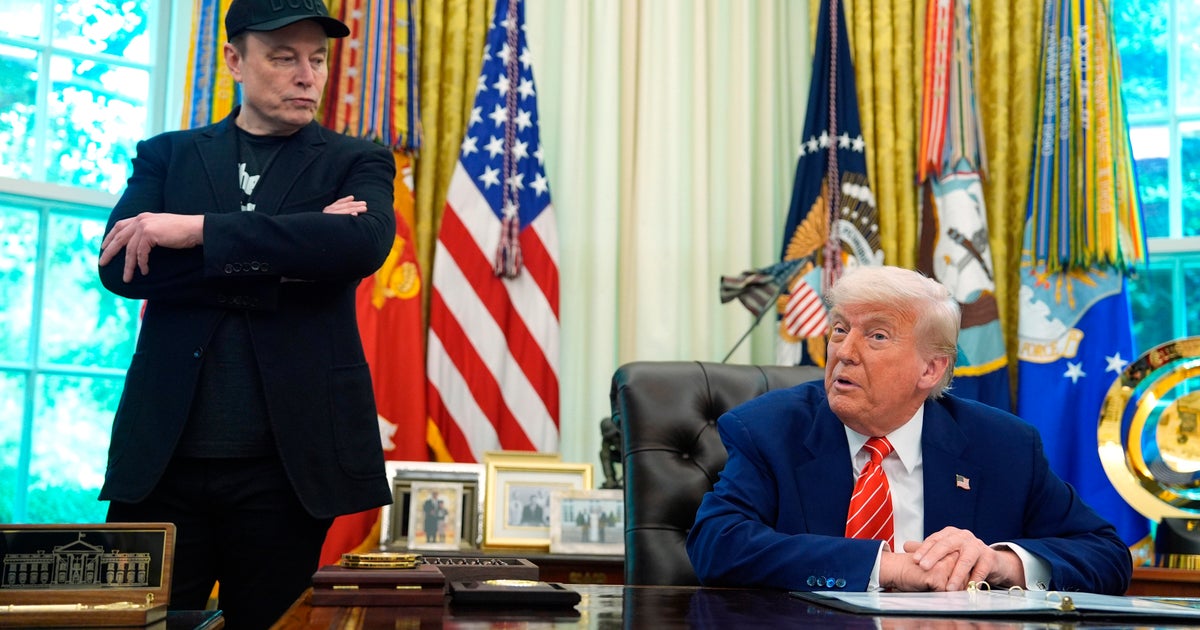
Federal judges in three separate circuits issued rulings this week blocking the Trump administration from implementing mass layoffs directed by the Department of Government Efficiency, in a sweeping legal setback for Elon Musk's cost-cutting initiative that has come to define one of the most controversial domestic policy drives in recent American history. The decisions, from courts in the District of Columbia, the Ninth Circuit, and the Fourth Circuit, collectively imposed temporary injunctions halting the termination of tens of thousands of federal employees whom DOGE had flagged for removal without following standard civil service procedures.
The legal challenges center on the administration's use of executive authority to circumvent the Congressional Review Act and the Civil Service Reform Act, both of which establish procedural requirements before federal workers can be dismissed en masse. Plaintiffs in the cases include federal employee unions, individual workers who received termination notices, and a coalition of state attorneys general who argue that the sudden removal of agency staff has impaired services their citizens depend on. The judges in all three cases found that petitioners had demonstrated a substantial likelihood of success on the merits, the legal standard required to issue a preliminary injunction.
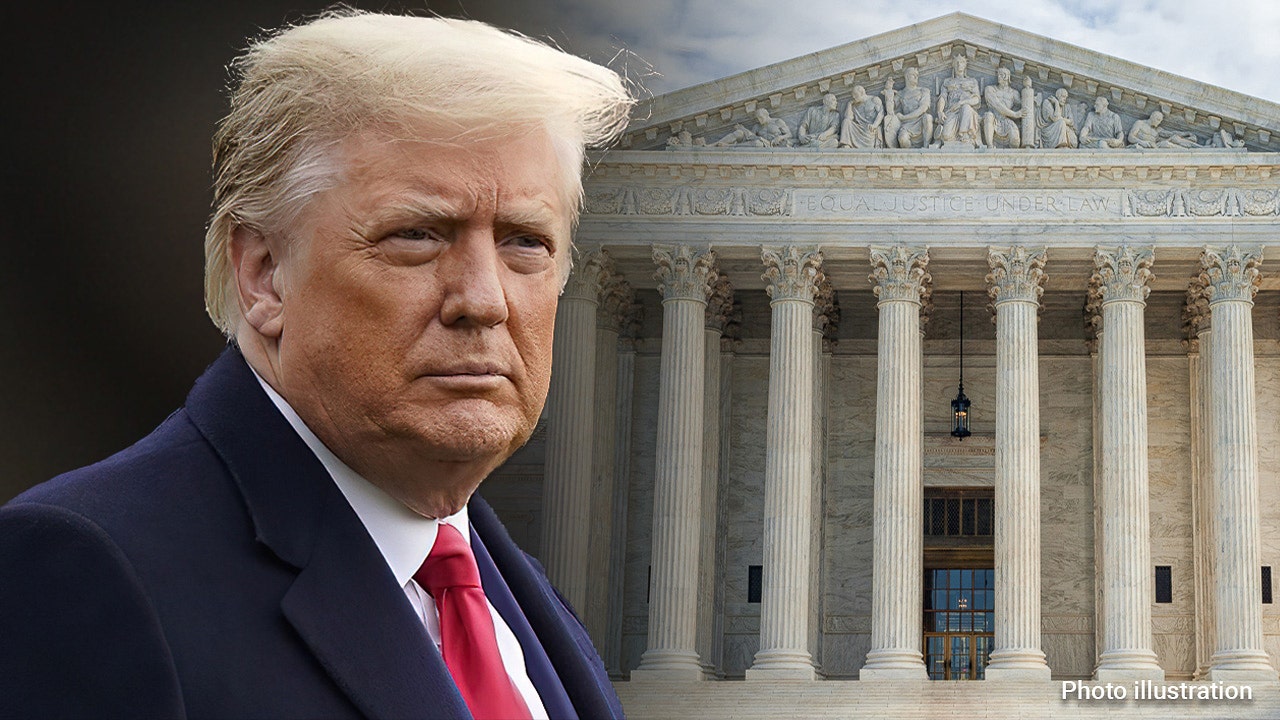
Musk, who has led the DOGE initiative in an informal advisory capacity with a mandate from President Trump to cut federal spending by hundreds of billions of dollars, responded to the rulings on his social media platform X with characteristically combative posts denouncing what he called an "unelected judiciary" overriding the democratic will of voters who had elected Trump to shrink the federal government. The White House press secretary said the administration would appeal all three decisions and expressed confidence that the Supreme Court would ultimately affirm the president's executive authority over the federal workforce.
Critics of DOGE have argued that the cost savings claimed by the initiative are largely illusory, noting that many of the employees targeted for dismissal perform functions that will have to be performed by contractors at higher cost, and that disruptions to agencies like the Internal Revenue Service, the Social Security Administration, and the Department of Veterans Affairs have imposed significant burdens on ordinary Americans. Economists at the Brookings Institution published an analysis this week estimating that DOGE's actions have thus far reduced federal spending by approximately 18 billion dollars annually — a fraction of the 500 billion dollars in savings the initiative originally projected.
Congress has been largely unable or unwilling to exercise meaningful oversight of the DOGE process, with Republican majorities in both chambers declining to hold formal hearings or pass legislation that would either codify or restrain the initiative. Democratic members of Congress have largely relied on the courts as the primary check on what they describe as unlawful circumvention of statutory employee protections. The coming weeks of appellate litigation will likely determine whether the judiciary can sustain that check, or whether the administration finds procedural paths around the injunctions.