Fed Holds Rates Steady as Warsh Era Opens With a Hawkish Turn Toward Hikes
In Kevin Warsh's first meeting as Federal Reserve chair, policymakers kept the benchmark rate at 3.5% to 3.75% but dropped their bias toward cuts, with nine of 18 officials now projecting a rate increase before year's end.
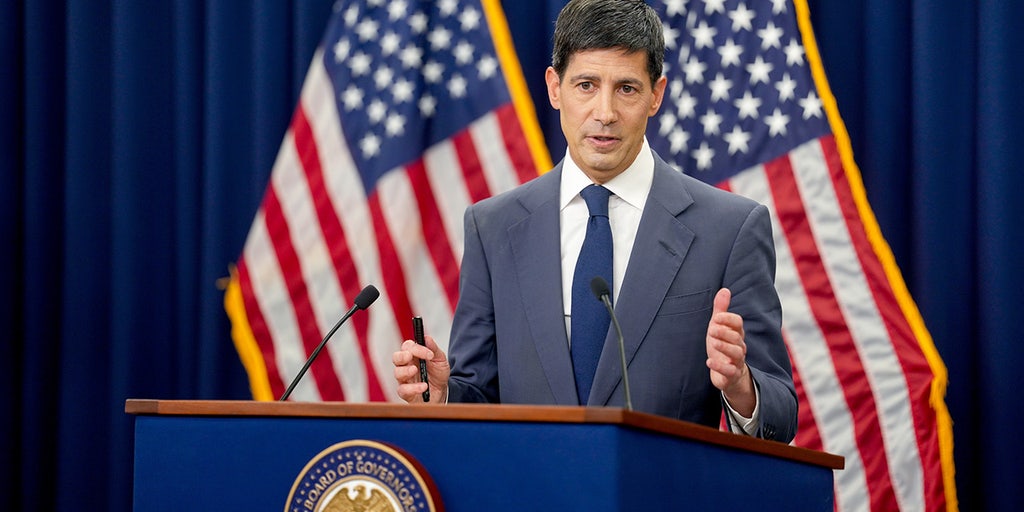
The Federal Reserve left its benchmark interest rate unchanged on Wednesday for a fourth consecutive meeting, holding the federal funds target range at 3.50% to 3.75%. But the decision marked a clear shift in tone as Kevin Warsh presided over his first policy meeting as Fed chairman, signaling that the central bank's next move could be a hike rather than a cut.
The rate hold itself was widely expected. What caught Wall Street's attention was the removal of long-standing language indicating the committee leaned toward easing. In its place, Warsh and his colleagues opened the door to tightening, a notable reversal after a year in which markets had assumed the Fed's next step would be lower.
The shift was reflected in the Fed's quarterly summary of economic projections. Nine of the 18 officials who submitted forecasts now project at least one interest-rate increase before the end of 2026, and six anticipate two quarter-point hikes. Just months ago, traders had priced in no hikes at all for the year. By Wednesday afternoon, futures markets were pricing in a meaningful chance of an increase as soon as the Fed's October meeting.
Driving the more hawkish stance is a labor market that has proven far more resilient than policymakers expected. Employers added 172,000 jobs in May, again beating forecasts, while the unemployment rate held at 4.3%, unchanged over the past year. A sturdy jobs picture, combined with inflation that has been slow to return fully to the Fed's 2% target, has complicated any case for lowering borrowing costs.
Warsh, who succeeded Jerome Powell, used his debut news conference to stress that the Fed would remain "data dependent" and was prepared to act in either direction. Investors took the overall message in stride. The Nasdaq Composite jumped 1.91% and the S&P 500 added 1.08%, helped along by the same-day news that U.S. Central Command had lifted its blockade in the Persian Gulf following the U.S.-Iran agreement, which sent oil prices lower and eased one source of inflation worry.
For American households, the practical effect is that the era of cheap money many had hoped would return this year looks increasingly unlikely. Mortgage rates, credit-card APRs and auto-loan costs are expected to stay elevated, and the burden of higher rates will continue to weigh on borrowers even as the broader economy keeps expanding.
Originally reported by CNBC.