Inflation Slipped to 3.4% in July. Gasoline Is Still 24.6% More Expensive Than a Year Ago
The second straight month of cooling brings the annual rate down from a 4.2% peak in May. But energy prices remain the reason it is not lower, and July's job losses have complicated the Fed's September decision.

Consumer prices rose 3.4% over the 12 months through July, the Labor Department reported Wednesday, a second consecutive month of easing that pulls the annual inflation rate further from the 4.2% peak it hit in May. Prices rose 0.1% from June, matching what economists had forecast.
Core inflation, which strips out food and energy and is the measure the Federal Reserve watches most closely, came in at 2.5% for the year, down from 2.6% in June. That figure is now within striking distance of the Fed's 2% target. The gap between the two numbers — 3.4% headline, 2.5% core — is almost entirely a story about the price of oil.
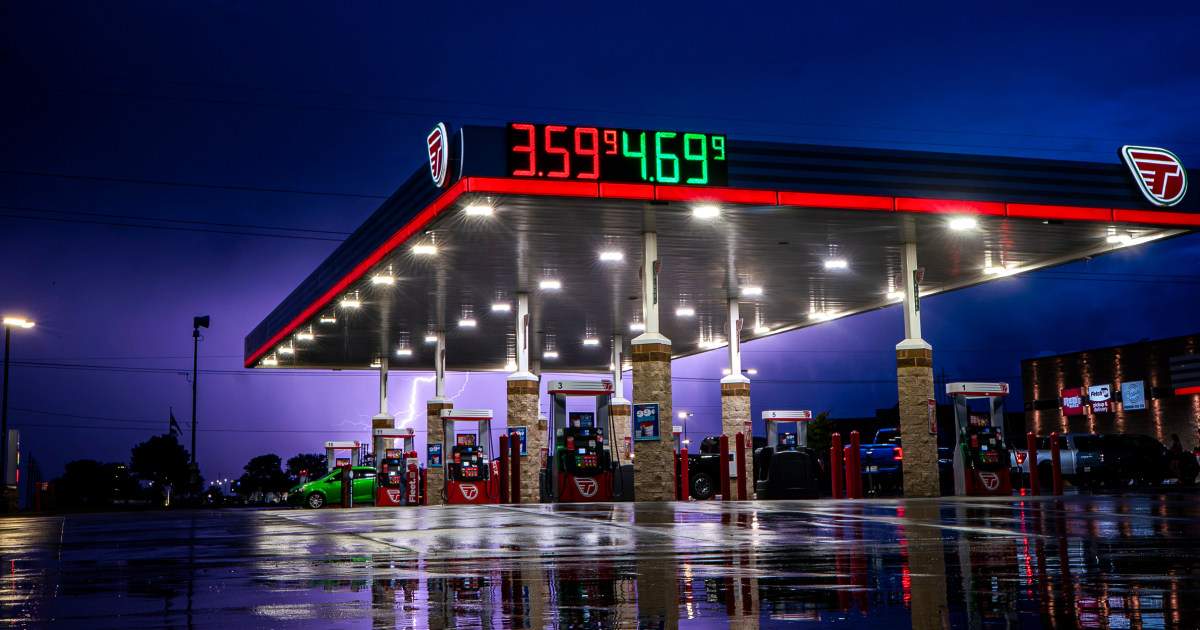
Energy prices were up 14.7% from a year earlier, and gasoline alone was up 24.6%. Drivers paid an average of $4.06 a gallon in July, against roughly $3.00 in February, before the fighting in the Strait of Hormuz and the Red Sea began pushing crude higher. Brent crude started July near $71 a barrel and pushed above $100 by July 23 as Iran-backed Houthi forces attacked shipping. The one piece of relief in the July data: the daily average pump price was about 10 cents lower than it had been in June.
"If the Iran war doesn't intensify, inflation could get close to the Fed's 2% goal by this time next year," said Mark Zandi, chief economist at Moody's Analytics. That conditional is doing most of the work in the forecast. Hormuz traffic has fallen to a new low this month, and shipping insurers have kept war-risk premiums elevated on every hull moving through the strait.
The Fed's problem in September is that the inflation numbers and the labor numbers now point in opposite directions. The economy shed 23,000 jobs in July, against forecasts of a 95,000 gain — a miss large enough to change the conversation inside the central bank from whether inflation justifies holding rates to whether the labor market can absorb it. Officials next meet on September 16, and they will see one more inflation reading first: the August CPI report lands September 11.
For households, the July report describes an economy where the headline number is improving while the most visible price in daily life is not. Shelter and services costs have continued their slow deceleration, and the core reading suggests the underlying pressure from the 2025 tariff round has largely worked through. What is left is the war premium at the pump, and no amount of monetary policy will bring that down. That depends on shipping lanes roughly 7,000 miles from Washington.