March Inflation Held at 2.8%, Crushing Hopes for Fed Rate Cut in June
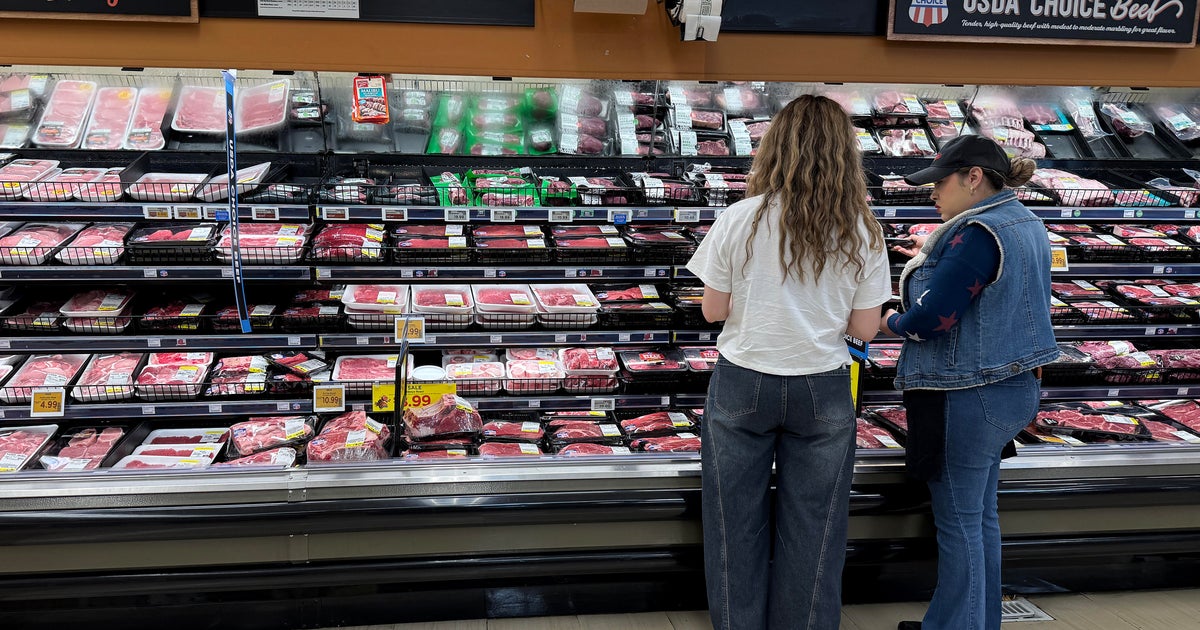
The Consumer Price Index rose 0.3% for the month and 2.8% year-over-year, with core inflation running at 3.1% — the 22nd straight month above the Fed's 2% target.
The Bureau of Labor Statistics released the March 2026 Consumer Price Index on Friday morning, showing that inflation remains stubbornly above the Federal Reserve's 2% target and dimming hopes for a June interest rate cut. The headline CPI rose 0.3% for the month on a seasonally adjusted basis, bringing the 12-month rate to 2.8%. Core inflation — which strips out volatile food and energy costs and is watched closely by the Fed — climbed 0.4% in March, leaving the annual core rate at 3.1%.
The numbers mark the 22nd consecutive month in which annual inflation has exceeded the Fed's 2% target, though the trajectory is far improved from the June 2022 peak of 9.1%. The March report nonetheless disappointed investors who had hoped for evidence that disinflation was accelerating. Following the 8:30 a.m. release, market-implied probability of a Federal Reserve rate cut at its June meeting fell from approximately 55% to 35%, according to the CME Group's FedWatch Tool. Treasury yields rose 8 basis points and equity futures turned negative in early trading.
Shelter costs remained the primary driver of underlying inflation in March, rising 0.5% month-over-month. Housing accounts for roughly one-third of the overall CPI basket, and economists have repeatedly noted that its official measurement — which uses surveys of rental rates with a significant lag — tends to overstate actual shelter inflation when market rents are stabilizing. Mark Zandi, chief economist at Moody's Analytics, said Friday: "The shelter component remains the fly in the ointment." He projected the Fed's first rate cut would occur in July or September once the rental measurement lag fully filters through the data. Energy prices fell 1.2% in March, providing partial offset, but the decline was smaller than expected given the Iran war ceasefire that halted most Middle East hostilities late last month.
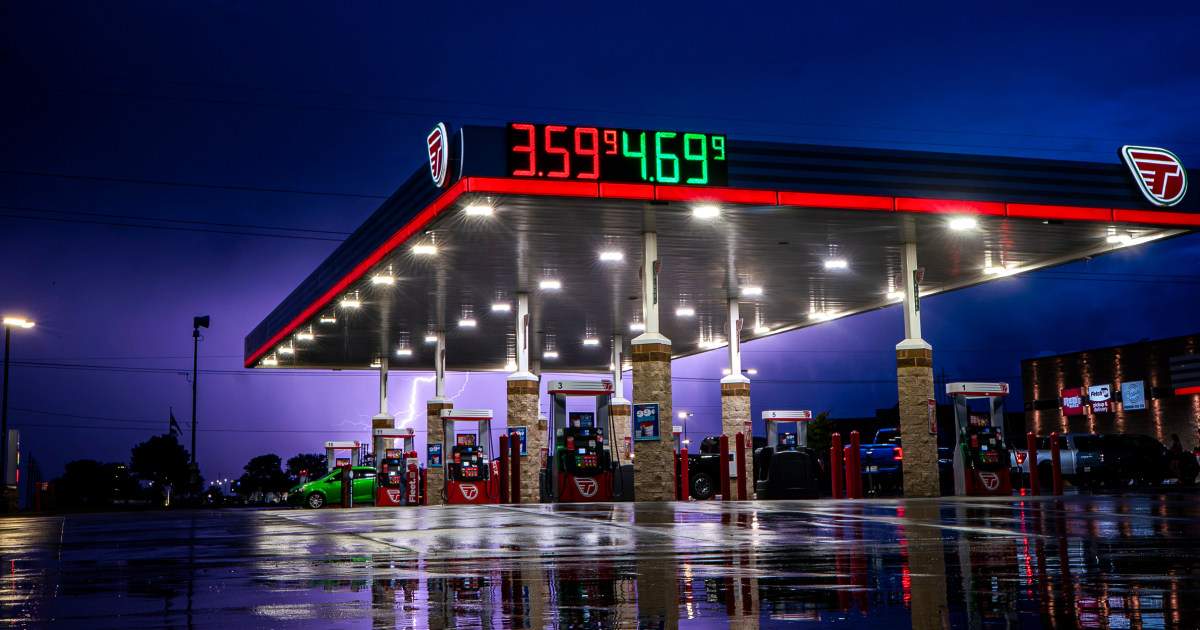
The inflation report arrives at a particularly delicate moment for the U.S. economy. The Federal Reserve has held its benchmark interest rate steady at 4.25-4.50% since December 2025, navigating competing pressures from above-target inflation and a softening labor market. Jobless claims for the week ended April 4 came in at 219,000, slightly higher than the 210,000 economists expected. Oil prices have been volatile through the early weeks of April as the Iran war and Strait of Hormuz disruptions pushed energy costs higher before the ceasefire announcement eased some pressure.
The Iran war's impact on inflation has been a dominant concern for Fed officials. The war caused global oil prices to spike above $100 per barrel in late March before the ceasefire agreement helped moderate them somewhat. The OECD estimated in March that if oil prices remain elevated due to Hormuz disruptions, U.S. inflation could push above 4% by mid-year. Friday's report, while showing continued stickiness, did not yet fully capture any ceasefire-related energy price relief, since the CPI survey period covers the full month of March when hostilities were ongoing. Economists expect April's data, due in May, to potentially show more pronounced energy deflation if the fragile ceasefire holds and tanker traffic through the Strait resumes in earnest.