Top Forecasters Now Expect U.S. Inflation to Hit 6% This Quarter, Putting a Fed Rate Hike Back on the Table
The Philadelphia Fed's Survey of Professional Forecasters nearly doubled its second-quarter CPI estimate as the Strait of Hormuz crisis sends gasoline above .50 a gallon and one-year consumer inflation expectations hit a 40-year high.

The nation's top economic forecasters now expect U.S. inflation to roar back to 6 percent in the second quarter, a stark upward revision that effectively rules out any near-term interest-rate cuts and has put a Federal Reserve rate hike back on the table for the first time in more than a year.
In its quarterly Survey of Professional Forecasters released this week, the Federal Reserve Bank of Philadelphia reported that the consensus among 33 leading economists is for headline CPI inflation to print at an annualized 6 percent rate in the April-June quarter, up sharply from the 3.4 percent the same panel projected just three months ago. The April CPI release, which showed prices rising 5.4 percent on a year-over-year basis, has already become one of the most-watched data points in markets, with energy costs the dominant driver: gasoline prices were up 28.4 percent, fuel oil up 54.3 percent, and overall energy expenses up 17.9 percent year-over-year, according to the Bureau of Labor Statistics.
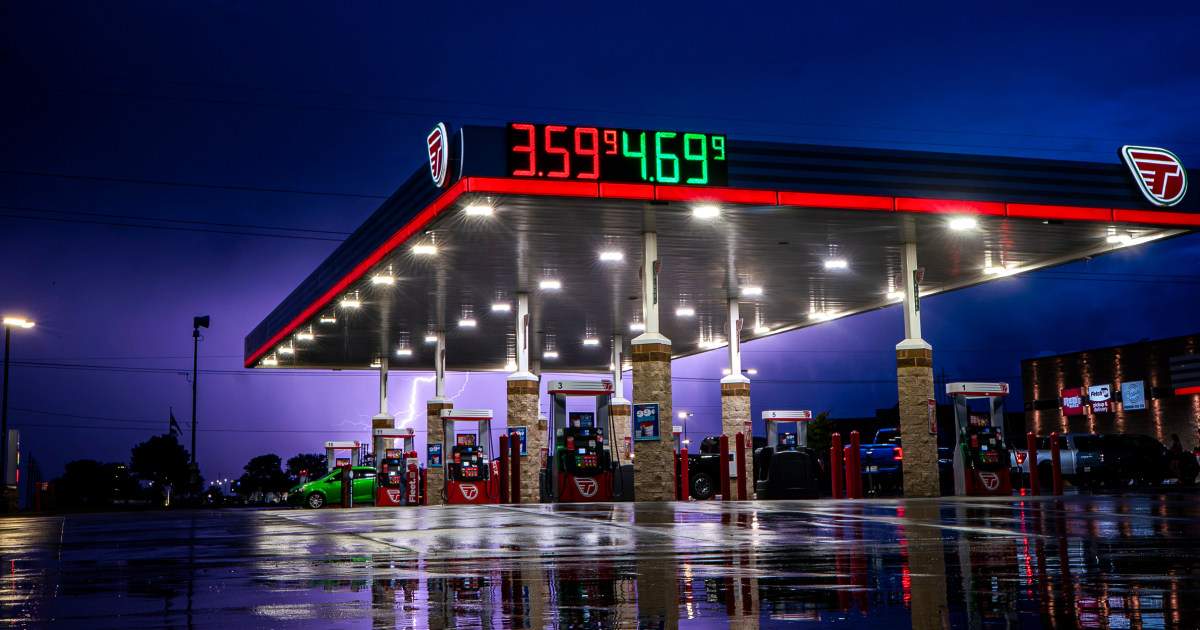
The inflation shock is being driven almost entirely by the war in the Middle East. Iran's effective closure of the Strait of Hormuz, the chokepoint through which roughly 20 million barrels of liquid petroleum products move each day, has triggered what the International Energy Agency has called the largest single energy-supply disruption in modern history. Brent crude has traded between $100 and $115 a barrel since early May, and U.S. retail gasoline has climbed past $4.50 a gallon nationwide, with prices above $5.50 in California.
Futures markets have responded swiftly. CME Group's FedWatch tool now prices in better-than-one-in-three odds of a Federal Reserve rate increase by year-end, with virtually no probability of any cut between now and the end of 2027. "The Fed is boxed in," said Diane Swonk, chief economist at KPMG. "You can't ease into a 6 percent inflation print, full stop. The labor market is softening, but the inflation side of the mandate is screaming the other way." The Fed's benchmark rate currently stands at 4.25 to 4.5 percent.
President Trump's pick to succeed Jerome Powell as Fed chair, Kevin Warsh, is set to be sworn in next month and has publicly stated he would prefer lower rates. But Fed watchers say Warsh will inherit a Federal Open Market Committee whose median voter now expects the policy rate to remain on hold through at least the third quarter, and several regional bank presidents — including the Cleveland Fed's Beth Hammack and the Atlanta Fed's Raphael Bostic — have publicly said they would support a rate increase if inflation expectations begin to drift higher.
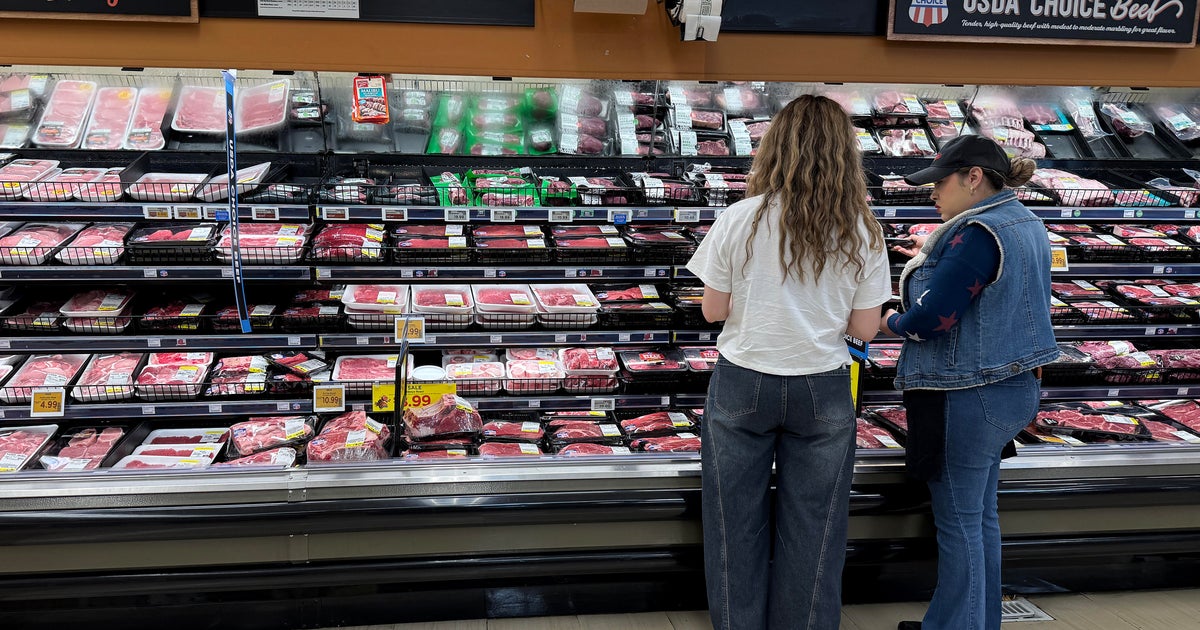
For American households, the squeeze is already showing up at the grocery store and the pump. Consumer sentiment, as measured by the University of Michigan's preliminary May survey, fell to 52.2, its lowest reading since the summer of 2022. One-year inflation expectations among consumers jumped to 6.5 percent, the highest level recorded in the survey's 40-year history. "Real wages are flat to negative, savings rates are falling, and credit-card delinquencies are at 12-year highs," said Mark Zandi, chief economist at Moody's Analytics. "This is what a stagflationary scare looks like." Forecasters in the Philadelphia Fed survey still expect real GDP to grow 2.1 percent at an annualized rate in the second quarter and 2.2 percent for the full year, but the cushion for further shocks, Zandi warned, has all but evaporated.