Spain's Transport Minister Resigns Six Days After Rail Crash That Killed 69
Óscar Puente quit in Congress after testifying on the Urda collision, and said he will also drop out of the November 29 election lists.

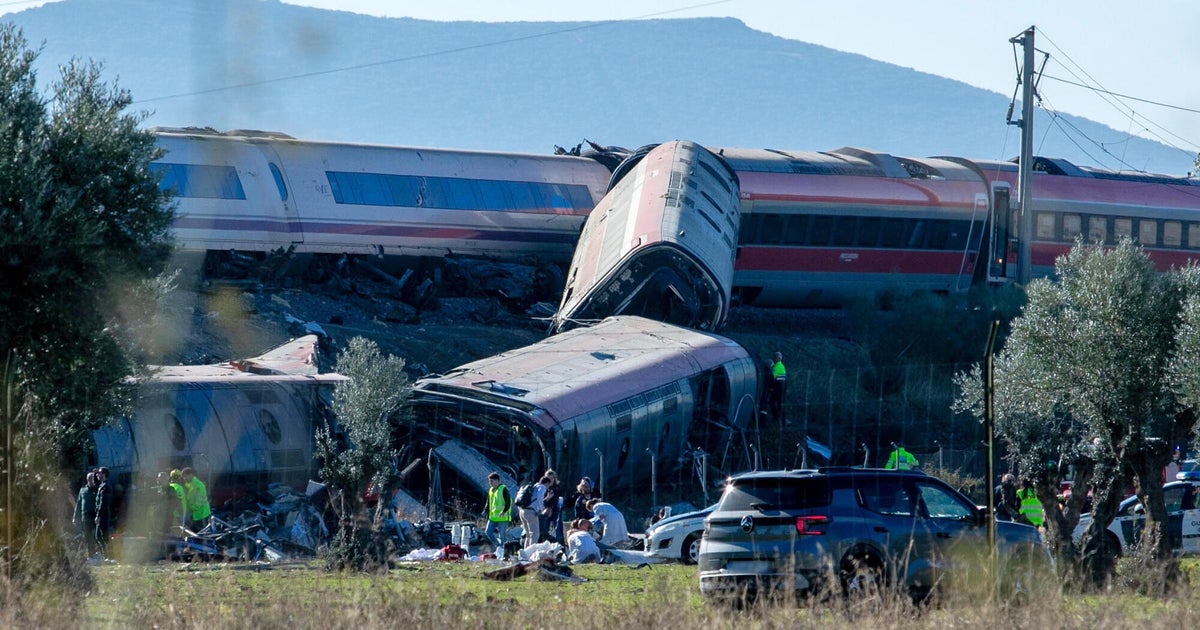
Spain's Transport Minister Óscar Puente resigned Tuesday evening, six days after a high-speed train collision near the town of Urda killed at least 69 people. He announced his decision at the end of a long session in Congress, where he laid out new rail safety measures and was questioned by the opposition.
"A transport minister in a country like Spain cannot remain in office after two accidents of this seriousness in less than a year," Puente said. He was referring to a January crash on the same line that left 46 people dead. He added that he was also withdrawing his name from the lists for early legislative elections, which are set for November 29. The BBC reported that his resignation surprised many, since he had said just days earlier that he would stay.
The October 28 crash is one of the worst rail disasters in modern European history and Spain's deadliest since 2013. A Renfe train carrying 397 passengers smashed into the back of a stationary train run by the private operator Iryo, which had 147 passengers on board. Rescuers had to use heavy lifting equipment to reach passengers trapped in derailed carriages.
A reported computer failure in the automatic signalling system had forced every train on the stretch to stop. Leaked audio recordings published in Spanish media show the Madrid control centre giving the Renfe driver clearance to move even though the Iryo train had stopped on the track about 25 kilometers (15 miles) ahead. In one recording, an operator tells the driver to continue and proceed under the Lateral Signalling Block, a backup used when automatic signalling fails, "at normal speed with normal operation." The driver asks, "At normal speed?" The operator answers, "Yes."
The Iryo driver is heard saying the train "is stationary in front of the entry signal at Urda" and, in a later call, that it cannot start. That recording suggests the controller knew the Iryo train had not moved while the Renfe train was approaching. Iryo has said its carriages were struck from behind.
Puente had been under mounting pressure. The conservative People's Party and the far-right Vox both demanded he go, as did some allies of the government. They also criticized him for appearing to blame human error, which they said was an attempt to deflect responsibility from his own ministry. Prime Minister Pedro Sánchez has admitted that the credibility of the high-speed rail system is "broken."
The timing is awkward for the Socialist-led government. Many observers see the crash as a major electoral setback that will make it much harder for Sánchez to overcome the polls on November 29. Puente chose to step down, the BBC noted, rather than risk looking insensitive by staying or admitting fault by going, and he said the decision was driven by "political dignity." Whoever succeeds him will inherit the question many Spaniards are now asking, which is whether the country's rail network can be trusted again.