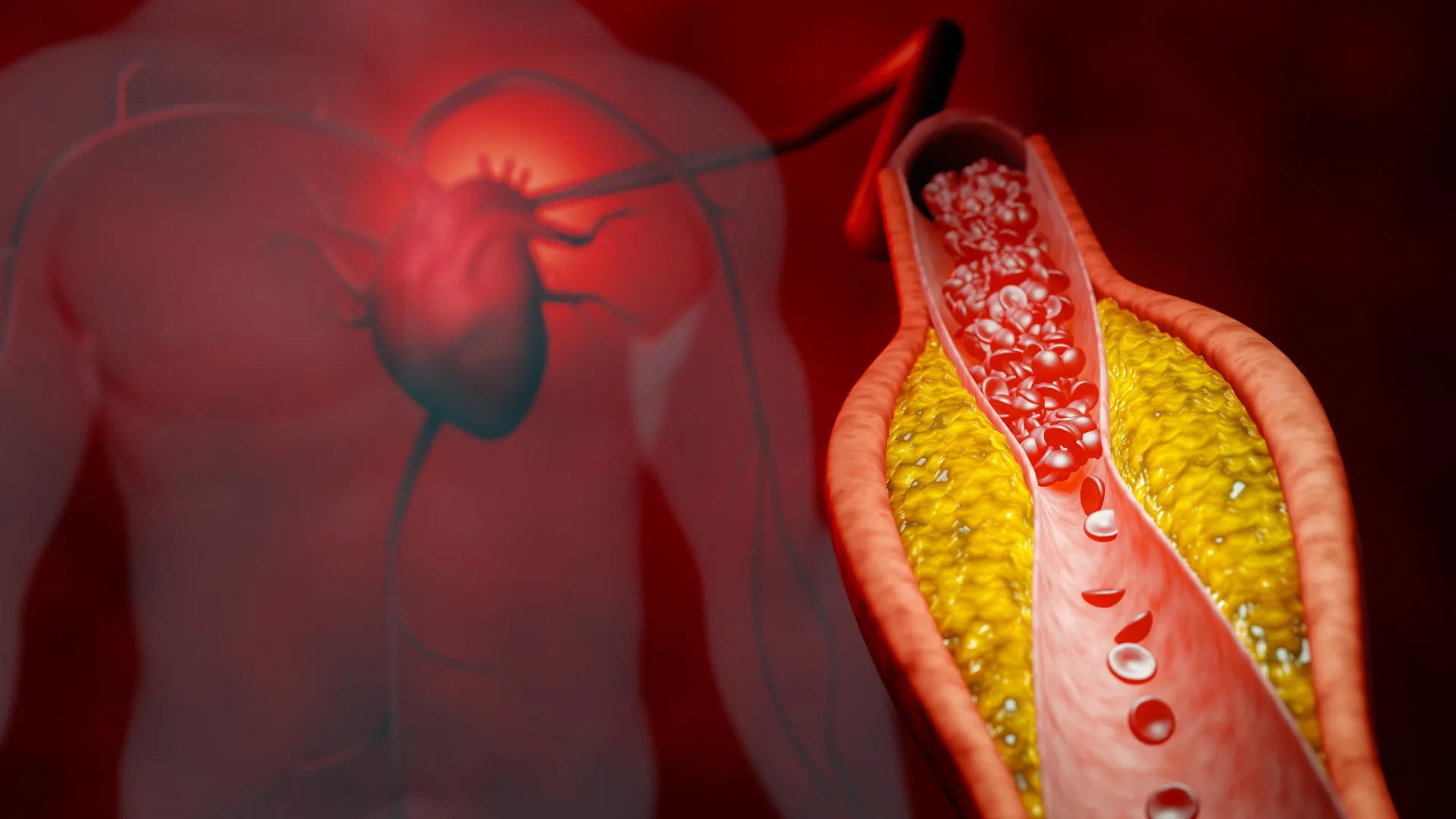
One in 13 Adults Under 30 Already Has Hidden Artery Plaque, 16,808-Person Study Finds
The REACT study found plaque in 57 percent of apparently healthy adults and says standard risk scores catch only a small share of them.
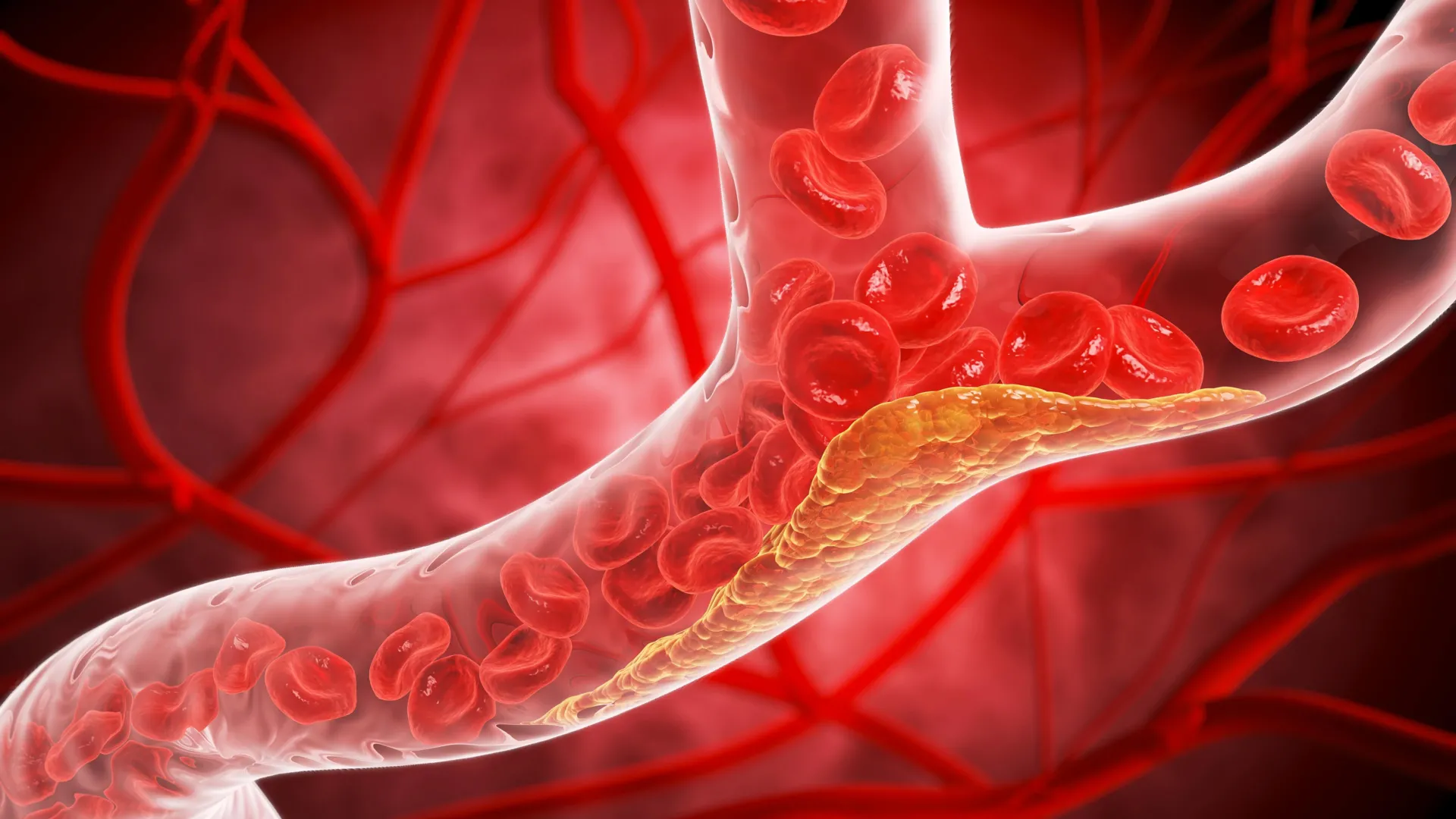
Roughly one in 13 adults between 18 and 29 already has fatty plaque building up in at least one artery, even though they have no known heart disease, according to a large European study published this month in The New England Journal of Medicine.
The REACT study enrolled 16,808 adults aged 18 to 70 in Denmark and Spain. It was led by Professor Henning Bundgaard of Rigshospitalet in Copenhagen and Dr. Borja Ibáñez of the Carlos III National Centre for Cardiovascular Research in Spain. All of the participants were apparently healthy and had no history of cardiovascular disease.
Overall, 57.1 percent of them had atherosclerotic plaque. The share rose steadily with age, reaching about nine in 10 people between 60 and 70. Among the youngest group, 18 to 29, about 1 in 13 had detectable plaque in at least one artery.
The pattern differed by sex. In men, atherosclerosis showed up 5 to 10 years earlier than in women. In women, prevalence climbed most sharply between 40 and 60, which overlaps with menopause.
The most important finding for doctors may be what the standard tools missed. The researchers reported that conventional cardiovascular risk assessment identified only a small proportion of the people who already had silent atherosclerosis. Those risk scores weigh factors such as age, blood pressure, cholesterol and smoking, and they are designed to predict events years ahead, not to detect disease already underway.
That matters because atherosclerosis is the process behind most heart attacks and strokes, and it develops quietly for decades. People often learn they have it only after an emergency. Finding plaque earlier would open a longer window for lifestyle changes and, where appropriate, medications such as statins.
The study does not yet show that scanning healthy people saves lives. That is the purpose of the next stage. Phase 2, planned for 2027 to 2032, will test whether imaging-guided prevention prevents more heart attacks and strokes than current approaches. The team is also extending the research to India, Singapore, Tanzania and Mexico, to see how plaque develops in different populations and settings.
For now, cardiologists say the results are a reminder that risk starts accumulating well before middle age, and that a normal checkup does not rule out disease. Doctors caution that finding plaque in a young adult does not mean a heart attack is imminent, but it does mean blood pressure, cholesterol, smoking and diet deserve attention long before they would normally be screened.