One Infusion Switched Off a Liver Gene. Twelve Months Later LDL Was Down 52% and Triglycerides Down 48%
Cleveland Clinic's first-in-human trial of the CRISPR therapy CTX310 dosed 15 patients and followed them for a year. The team reported no serious side effects tied to the treatment.

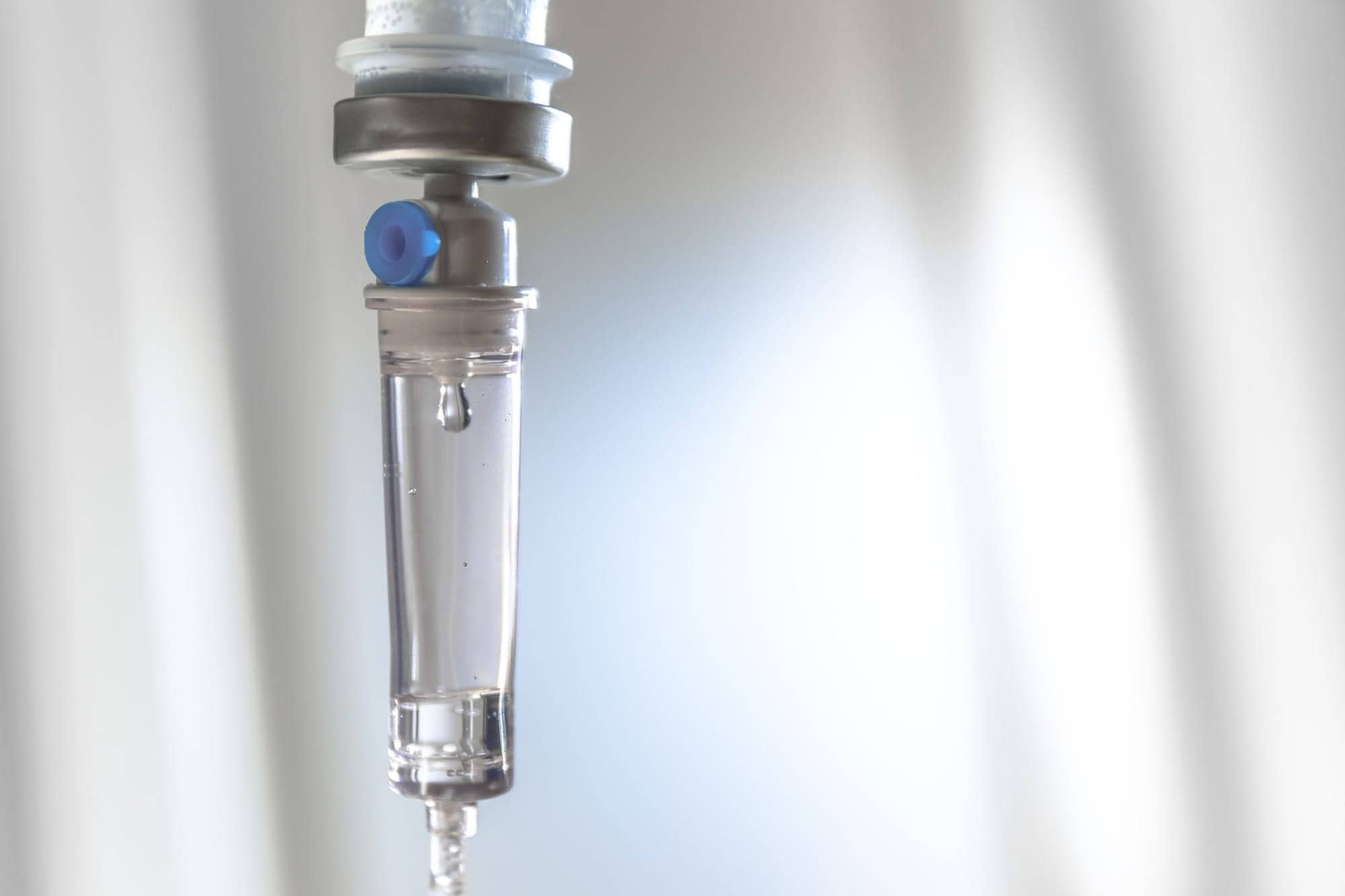
A single intravenous dose of a gene-editing drug cut LDL cholesterol by 52.5% and triglycerides by 47.8% a full year after it was given, according to results from a Cleveland Clinic trial published in the New England Journal of Medicine and presented at the European Society of Cardiology annual meeting.
The drug is CTX310, a CRISPR-Cas9 therapy that permanently disables a gene called ANGPTL3 in liver cells. ANGPTL3 encodes a protein that blocks the enzymes clearing fats from the bloodstream. People born with two broken copies of the gene walk around with unusually low cholesterol and triglycerides and show no ill effects from it, which is what made the gene an attractive target. The therapy tries to reproduce that genetic accident on purpose.
Fifteen patients were enrolled in the phase 1 study, all of them with lipid disorders that had not responded adequately to existing medication. Doses ranged from 0.1 to 0.8 milligrams per kilogram. The 52.5% and 47.8% reductions are from the highest-dose group at twelve months. Because the edit is made to the DNA itself rather than to a protein that has to be replenished, there is no second dose and nothing to take daily.
"The durability of the lipid-lowering effect was impressive," said Dr. Luke Laffin, the study's first author and a preventive cardiologist at the Cleveland Clinic, adding that "there were no serious safety events" related to the therapy during the one-year follow-up.
That last point is the one the field will argue over. Existing cholesterol drugs, from statins to the injectable PCSK9 inhibitors, are reversible. If a patient develops a problem, the drug is stopped and the body returns to baseline. A permanent edit has no off switch, and the consequences of removing a protein for fifty years cannot be read off a twelve-month study of fifteen people. The trial protocol reflects that: participants will be monitored for fifteen years.
The population this is aimed at is narrow for now. Patients with homozygous familial hypercholesterolemia, or with severe hypertriglyceridemia that puts them at risk of pancreatitis, often exhaust the drug cabinet without getting their numbers into a safe range. For them the calculus on an irreversible treatment looks different than it does for someone whose statin works fine.
Larger trials will have to show the lipid reductions translate into fewer heart attacks and strokes, which is a longer and more expensive question than whether a number on a blood panel moves. What this study establishes is that a one-time infusion can rewrite a metabolic set point in an adult human and hold it there for a year.