Vance Says He Is 'Extremely Skeptical' the U.S. Hit an Iranian Wedding
He Also Says He Would Not Call This a War.
Iran fired missiles and drones at an air base in Kuwait and another in the United Arab Emirates overnight, extending its retaliation to a third Gulf state in three days. Iran's health ministry now counts 18 dead from American strikes.
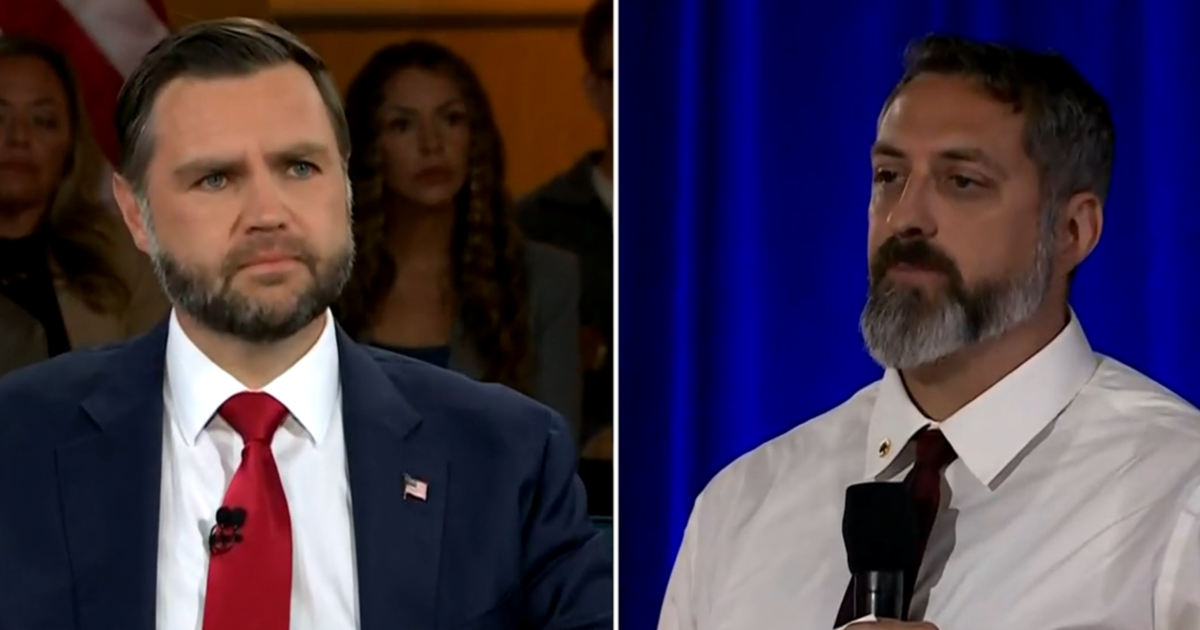
Vice President JD Vance stood at a White House briefing on Thursday and cast doubt on the single most damaging claim Iran has made since American bombs started falling: that a U.S. missile struck a wedding party in the country's south.
"I'm extremely skeptical of this," Vance said, pointing to Iranian state media as the source of the account. "We're investigating it because obviously we care." The U.S. military has said it never targets civilians and that it is reviewing the allegation.
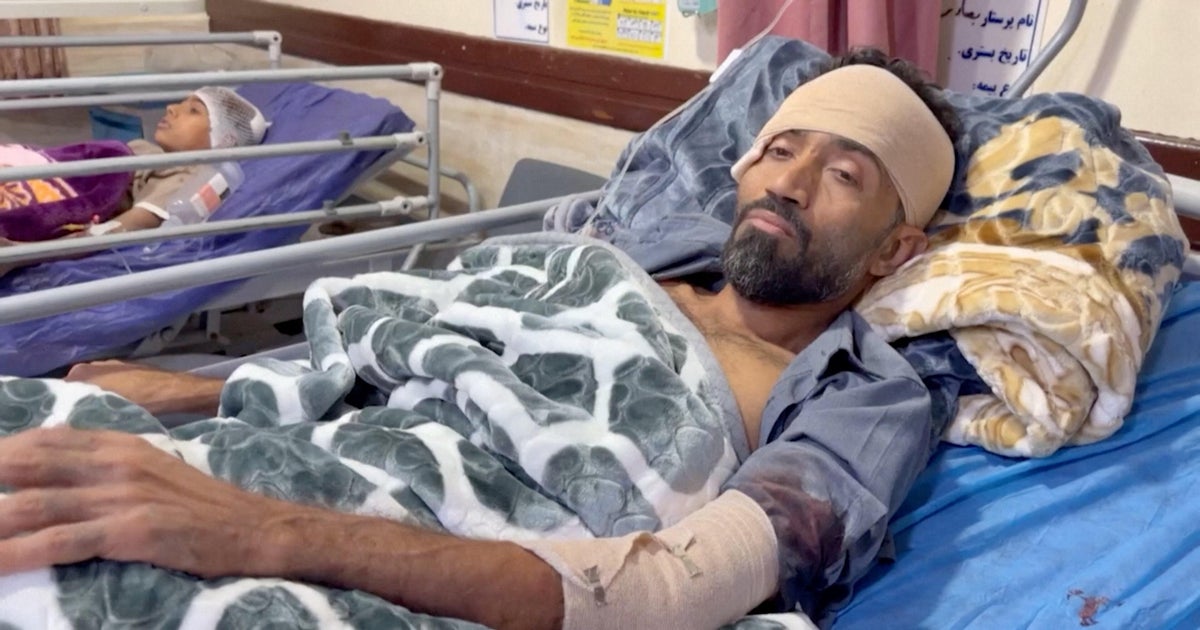
Iranian officials say the strike hit a home in Kuhestak, in the Sirik district of Hormozgan province, on the evening of Sept. 1, during a wedding celebration. Tehran put the toll at four killed and more than 50 wounded. A hospital in the area reported admitting about 70 people, with 11 still hospitalized and five in intensive care. Iran's health ministry says American strikes have killed 18 people in all and injured 108, a figure that includes three pilots and three other service members.
The wedding claim has become the organizing grievance of Iran's counterattacks, which are now spreading across the Gulf. Iran's army said it struck Ahmed Al-Jaber Air Base in Kuwait with "missiles and attack drones" early Thursday, and also targeted Al Minhad Air Base in the United Arab Emirates. Kuwaiti air defenses engaged the incoming weapons, and the explosions residents heard were interceptions rather than impacts. A U.S. official said no American military facility was hit. A day earlier, Jordan's military tracked 13 ballistic missiles heading into its territory, shot down 10, and watched the other three fall in empty desert. Nobody was hurt.
Vance also spent part of the briefing arguing over what to call any of this. "I wouldn't call it a war," he said. On negotiations, he was blunt: "We're not talking to them unless they stop shooting at commercial shipping." President Trump has been equally unsentimental, saying the United States is "prepared to do another one anytime we want" and dismissing the idea of a deal with Tehran as not worth "the paper it's written on."
Iran, for its part, is signaling that it plans to fight a longer and less conventional campaign. First Vice President Mohammad Reza Aref warned that "dark months await the U.S. economy" and said Iran is shifting to "asymmetric" and "multilayered" tactics — language that in practice has meant pressure on shipping and on the Gulf states that host American aircraft. Tehran has blacklisted 11 more vessels it deems non-compliant in the Strait of Hormuz, and Saudi Arabia said an Iranian attack killed two Filipino sailors aboard an oil tanker.
In Israel, Prime Minister Benjamin Netanyahu read the same events as an opening. "This regime is currently teetering. It is weaker than ever," he said Thursday, adding that toppling it is "within reach."
The politics at home are pulling the other way. Trump aides have been pushing to keep the conflict from escalating before the November midterms, with the option of ramping up afterward. Gas is above $4 a gallon. Asked about it, Vance said prices "frankly, could have been much, much higher."