Iran Strikes Kuwait Airport and Bahrain as Gulf Ceasefire Collapses; U.S. Pounds Iranian Bases
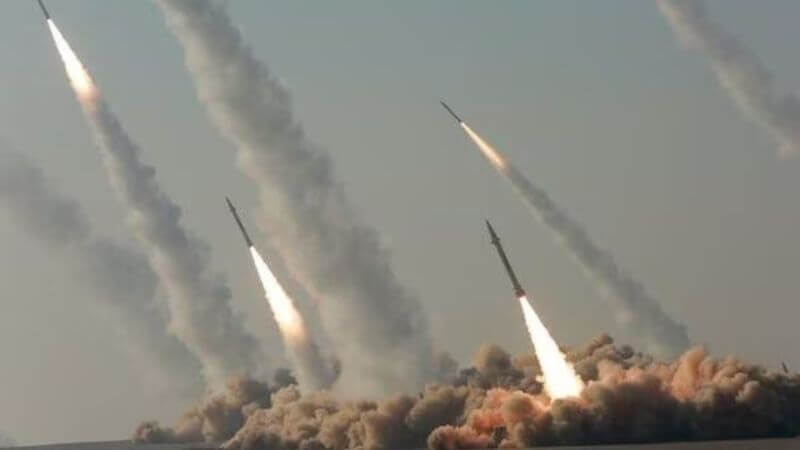
Iranian missiles and drones killed at least one person and tore through Kuwait's international airport early Wednesday, forcing a brief shutdown, as Tehran cut off contact with ceasefire mediators and the U.S. struck back at Iranian targets.
Kuwait briefly shut its main international airport early Wednesday after Iranian drones and missiles slammed into the facility, killing at least one person and wounding others, in the most damaging strike yet on a Gulf state since fighting between Tehran and Washington reignited. The attack, claimed by Iran's Revolutionary Guard Corps, sent travelers fleeing a smoking terminal and grounded flights as air-raid sirens echoed across the capital.
Kuwait's foreign ministry said it was "holding Iran fully responsible for these heinous attacks," calling the assault a flagrant violation of international law. Neighboring Bahrain came under fire in the same barrage, though its military said air defenses intercepted three incoming missiles. Two other Iranian projectiles aimed at Kuwait fell short or broke apart in flight, according to U.S. assessments, but the strike that reached the airport underscored how rapidly a fragile truce has unraveled.
In response, the U.S. military said it carried out what it described as "measured and deliberate" self-defense strikes on Iranian radar and drone sites at Qeshm Island and Goruk over the weekend and into this week, retaliating for what U.S. Central Command called repeated Iranian attacks across the region, including the downing of an American MQ-1 drone over international waters. President Donald Trump, who days earlier had declared that "all shooting will stop," struck a far harder tone this week. "I think we've been talking too much, if you want to know the truth," Trump said. "We'll just go silent. We'll keep the blockade."
The escalation came as Iran announced it was suspending indirect negotiations with the United States, with semiofficial outlets reporting that Tehran had stopped communicating with mediators about extending the ceasefire. Iranian officials said any broader truce must also halt Israeli military operations in Lebanon, where Israeli drones killed at least eight people this week despite Trump's claims of a deal. More than 3,400 people have been killed in Lebanon since the war between Israel and Hezbollah began on March 2, according to Lebanese authorities.
Iran's deputy military commander, Mohammad Jafar Assadi, framed the standoff in stark terms. "The United States demands our total surrender, and the Iranian nation will never surrender," he said. "Without surrender, war is inevitable." With Tehran also threatening to close the Strait of Hormuz, through which roughly a fifth of the world's oil passes, energy markets jumped and Gulf governments scrambled to reinforce defenses, leaving a region that Trump had promised to pacify teetering on the edge of a wider war.