Iran's Attacks on Gulf States Expose Regional Dependence on U.S. Military Protection
Strikes on Kuwait and Bahrain highlight the vulnerability of American allies hosting thousands of U.S. personnel amid escalating Middle East conflict.
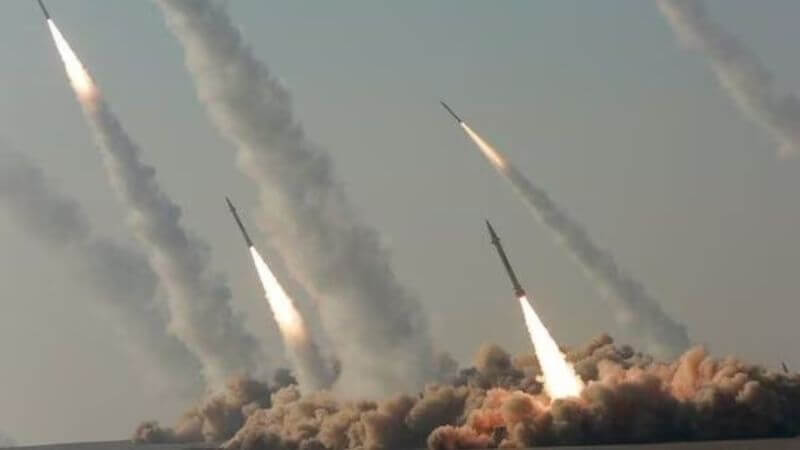
Iran's recent attacks on Gulf states have starkly illustrated the extent to which key American allies in the region depend on U.S. military protection, as countries hosting sprawling American bases and thousands of personnel find themselves directly targeted in the escalating conflict. The strikes on Kuwait, Bahrain, and other Gulf nations underscore the complex security dynamics at play as the United States wages war against Iran.
The targeted countries serve as crucial staging areas for American military operations in the Middle East, with facilities that have supported decades of U.S. regional engagement. These bases house sophisticated equipment, aircraft, and naval assets that project American power throughout the region. The attacks demonstrate Iran's capability to strike at the infrastructure that underpins U.S. military presence in the Gulf.
Kuwait and Bahrain, in particular, have been central to American military strategy in the region for decades. Kuwait has hosted significant U.S. forces since the Gulf War, while Bahrain serves as headquarters for the U.S. Navy's Fifth Fleet. The attacks on these nations represent a direct challenge to the security architecture that has defined the Gulf region since the end of the Cold War.
The Iranian strikes highlight the vulnerability of regional allies who have aligned themselves closely with American interests but now find themselves in the crosshairs of a broader conflict. These countries face the difficult balancing act of maintaining their strategic partnerships with the United States while managing the security risks that such relationships entail during periods of heightened regional tension.
The attacks also raise questions about the effectiveness of existing defensive systems and the ability of the United States to protect its allies in the region. As the conflict with Iran continues, Gulf states may need to reassess their security arrangements and consider additional protective measures. The situation demonstrates how regional conflicts can quickly draw in neighboring countries that serve as hosts to foreign military presence, making them targets rather than neutral parties in broader geopolitical disputes.