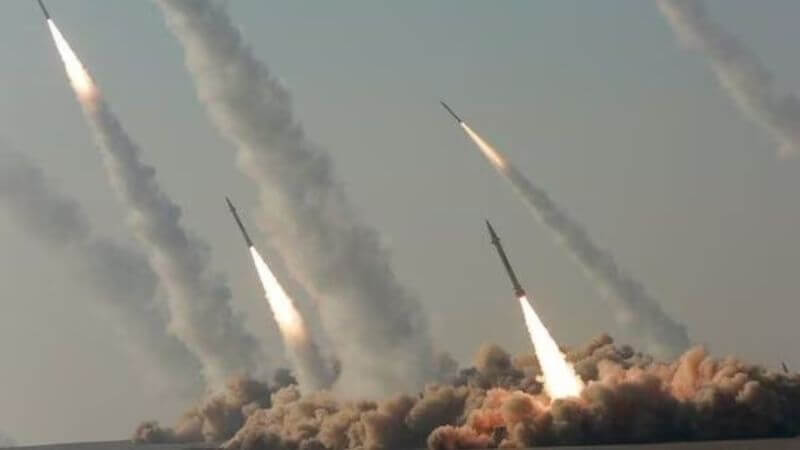
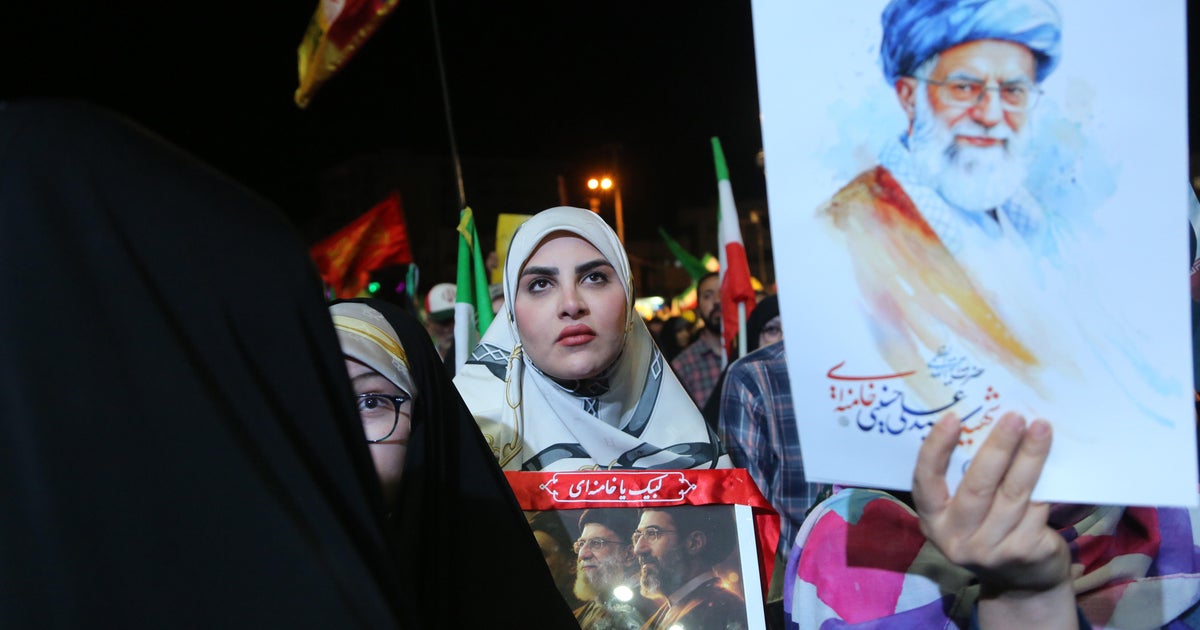
Iran Launches Failed Strikes on Bahrain and Kuwait as U.S. Retaliates
U.S. military confirms Iranian attacks on Gulf neighbors were shot down or failed, prompting American 'self-defense' strikes inside Iran.
Iran launched unsuccessful attacks against Bahrain and Kuwait on Tuesday, escalating regional tensions as the United States condemned what it characterized as "aggressive" strikes against American allies. The U.S. military confirmed that Iranian missiles and drones targeting the Gulf nations were either intercepted by defense systems or failed to reach their intended targets, preventing what could have been a significant expansion of the current conflict.
The Iranian attacks represent a dangerous escalation in the ongoing regional crisis, marking the first time Tehran has directly targeted neighboring Gulf states during the current period of hostilities. Both Bahrain and Kuwait host significant American military installations and serve as key strategic partners for U.S. operations in the Middle East, making them particularly sensitive targets for Iranian aggression.
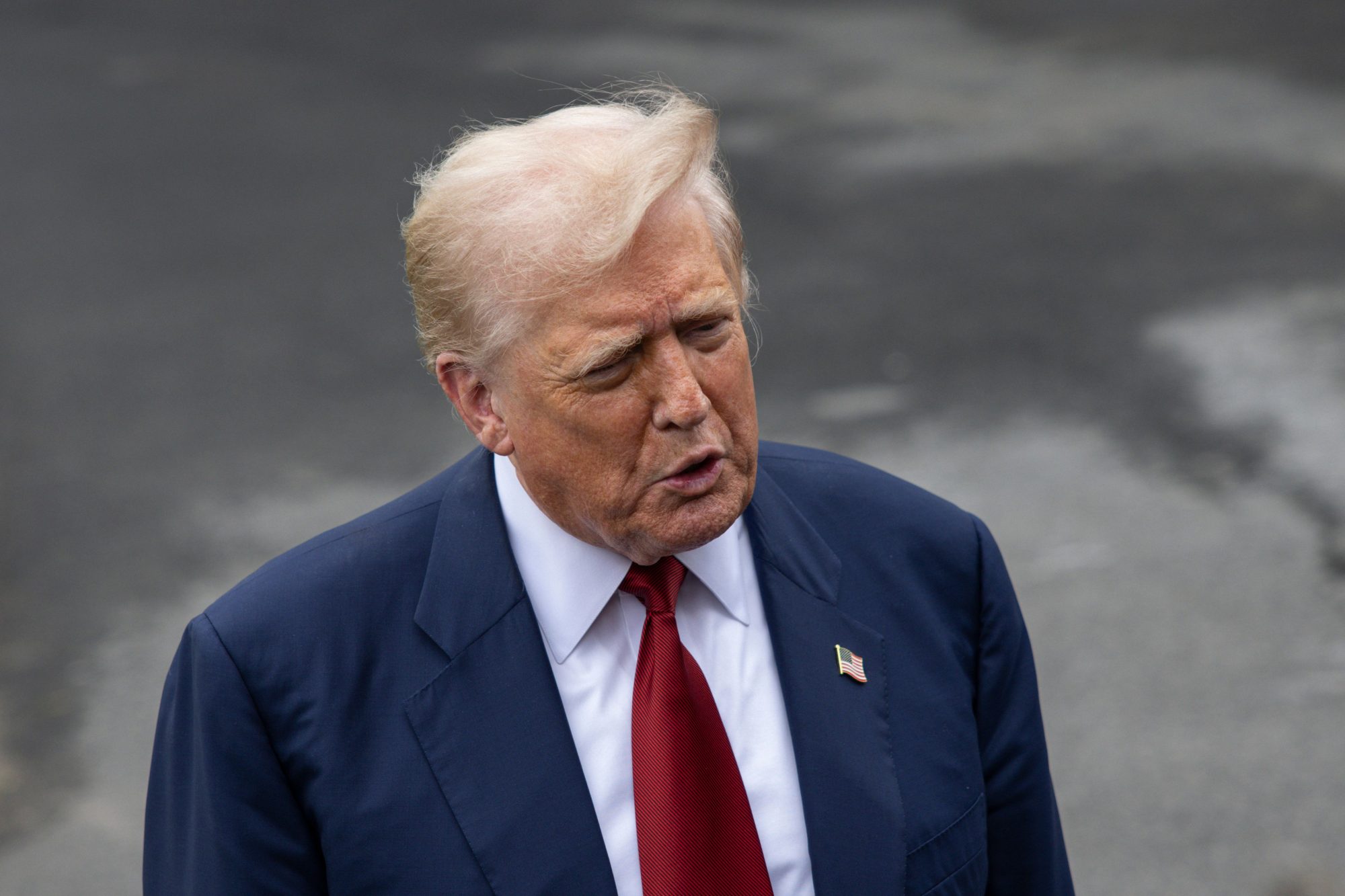
In response to the failed attacks, the United States launched what officials described as "self-defense" strikes against Iranian targets. While details of the American retaliation remain classified, military sources indicated the strikes were designed to degrade Iran's ability to launch further attacks against U.S. allies and interests in the region. The swift American response underscores the Biden administration's commitment to protecting Gulf partners.
The failed Iranian offensive appears to be part of a broader strategy to pressure Gulf states into distancing themselves from U.S. military cooperation. Iran has long viewed the American military presence in the Persian Gulf as a direct threat to its regional influence and has repeatedly threatened to target facilities hosting U.S. forces. However, the unsuccessful nature of Tuesday's attacks may demonstrate limitations in Iran's precision strike capabilities.
Regional analysts warn that the Iranian attacks on Bahrain and Kuwait could prompt other Gulf Cooperation Council members to enhance their defense cooperation with the United States. The incident also raises concerns about potential Iranian retaliation for the U.S. counter-strikes, potentially creating a cycle of escalation that could destabilize the entire Persian Gulf region and threaten critical global energy supplies.