Trump Escalates Iran Conflict With New Threats After Exchange of Strikes
President warns Iran will "pay the price" for taking "too long to negotiate" as military tensions reach dangerous new levels following direct confrontations.
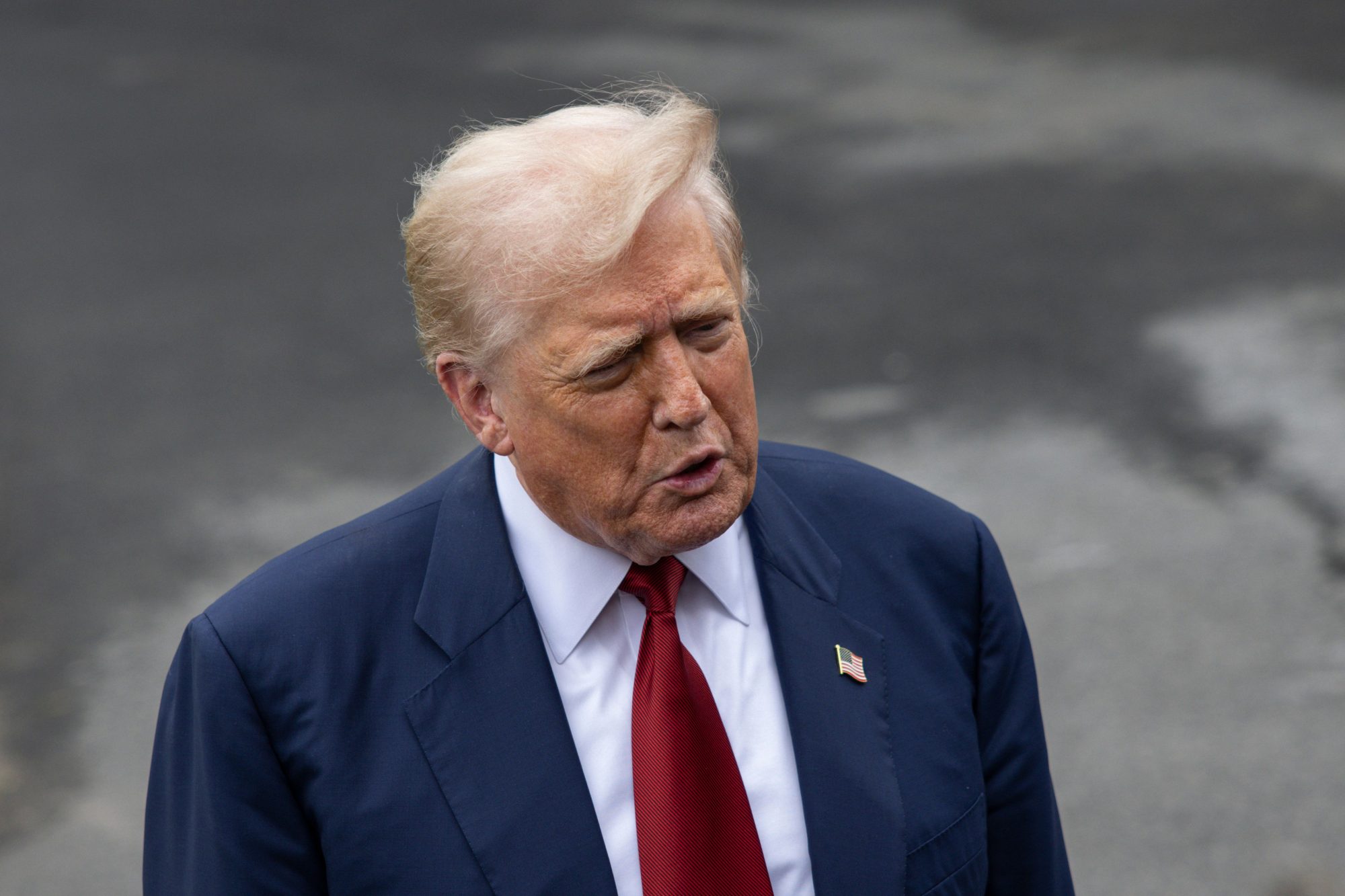
President Donald Trump issued fresh threats against Iran on Wednesday, declaring the country would "pay the price" for taking "too long to negotiate" an agreement to end the escalating military conflict between the two nations. Trump's warning comes after the United States and Iran exchanged direct strikes, marking a dangerous escalation in hostilities that have brought the region to the brink of wider warfare. The president's inflammatory rhetoric suggests the administration is prepared to intensify military pressure rather than pursue immediate diplomatic solutions to defuse the crisis.
The exchange of strikes represents the most serious direct military confrontation between the United States and Iran in decades, shattering previous patterns of proxy warfare and indirect engagement that had characterized the relationship since the 1979 Iranian Revolution. Military officials report that both sides have conducted operations targeting each other's assets, though specific details about casualties and damage remain classified. The direct nature of the confrontations marks a significant departure from the shadow warfare that has typically defined U.S.-Iran tensions.
Trump's latest threats indicate the administration views military pressure as the primary tool for compelling Iranian compliance with American demands, despite warnings from allies and military experts about the risks of further escalation. The president's reference to Iran taking "too long to negotiate" suggests ongoing behind-the-scenes diplomatic communications, though the public rhetoric from both sides has grown increasingly hostile. Iranian officials have responded to American strikes with their own threats of retaliation, creating a cycle of escalation that regional experts warn could spiral out of control.
The military confrontation has already had significant global implications, with oil markets experiencing volatility and allied nations calling for restraint from both sides. European leaders have expressed particular concern about the potential for the conflict to spread throughout the Middle East, potentially disrupting global energy supplies and destabilizing regions still recovering from previous conflicts. The direct nature of the U.S.-Iran exchanges has prompted emergency diplomatic consultations among NATO allies and regional partners seeking to prevent further escalation.
The current crisis represents a test of Trump's approach to Iran policy, which has combined maximum economic pressure through sanctions with increasingly direct military threats. Critics argue that the administration's withdrawal from previous nuclear agreements and imposition of harsh economic sanctions has left Iran with little incentive to negotiate, while supporters maintain that only sustained pressure will force Iranian concessions. As both sides appear to be preparing for potential further military action, the international community faces the challenge of preventing a regional conflict that could have catastrophic humanitarian and economic consequences.