U.S. and Iran Trade Ballistic Missile Strikes as Peace Negotiations Collapse
Revolutionary Guards target American base in retaliation for earlier U.S. strikes, threatening fragile diplomatic efforts to end the conflict.

The United States and Iran exchanged military strikes for the second time in three days Thursday, with Iran launching a ballistic missile toward Kuwait in what officials described as retaliation for recent American attacks on Iranian military sites. The escalating violence threatens to derail already fragile negotiations aimed at ending the broader conflict between the two nations.
The U.S. military confirmed that Iran's Revolutionary Guards had launched a ballistic missile in the direction of Kuwait, though it remained unclear whether the projectile reached its intended target. In response, Iranian officials said they had targeted an unspecified American military base, marking a significant escalation in the tit-for-tat strikes that have characterized recent hostilities between Washington and Tehran.
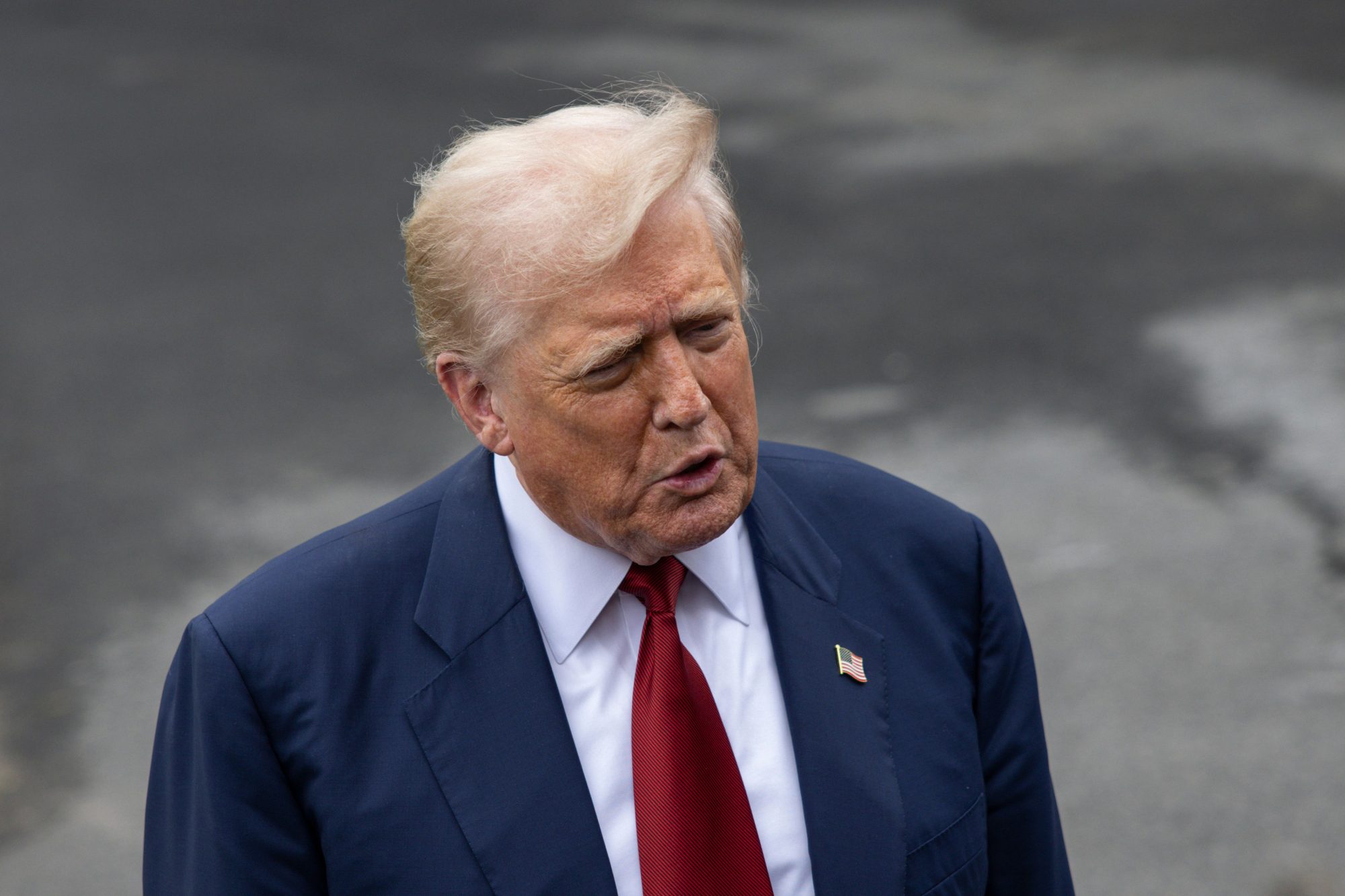
The exchange came just days after President Donald Trump delivered stern warnings to Iranian leadership, saying the regime was "wrong" if it believed he would feel pressure to make diplomatic concessions ahead of the U.S. midterm elections later this year. Trump's comments appeared to signal a hardening of the American position as cease-fire negotiations hang in the balance.
The renewed violence represents a major setback for diplomatic efforts that had shown signs of progress in recent weeks. International observers had expressed cautious optimism that both sides might be moving toward a framework for ending hostilities, but the latest military actions suggest those hopes may have been premature.
As the crisis deepens, the strikes mark a dangerous escalation that could spiral into broader regional conflict. The timing is particularly concerning given Trump's stated reluctance to appear weak before domestic voters, potentially limiting his administration's flexibility in pursuing diplomatic solutions. Both nations now face mounting pressure to step back from the brink, though neither side has shown signs of backing down from their increasingly aggressive postures.