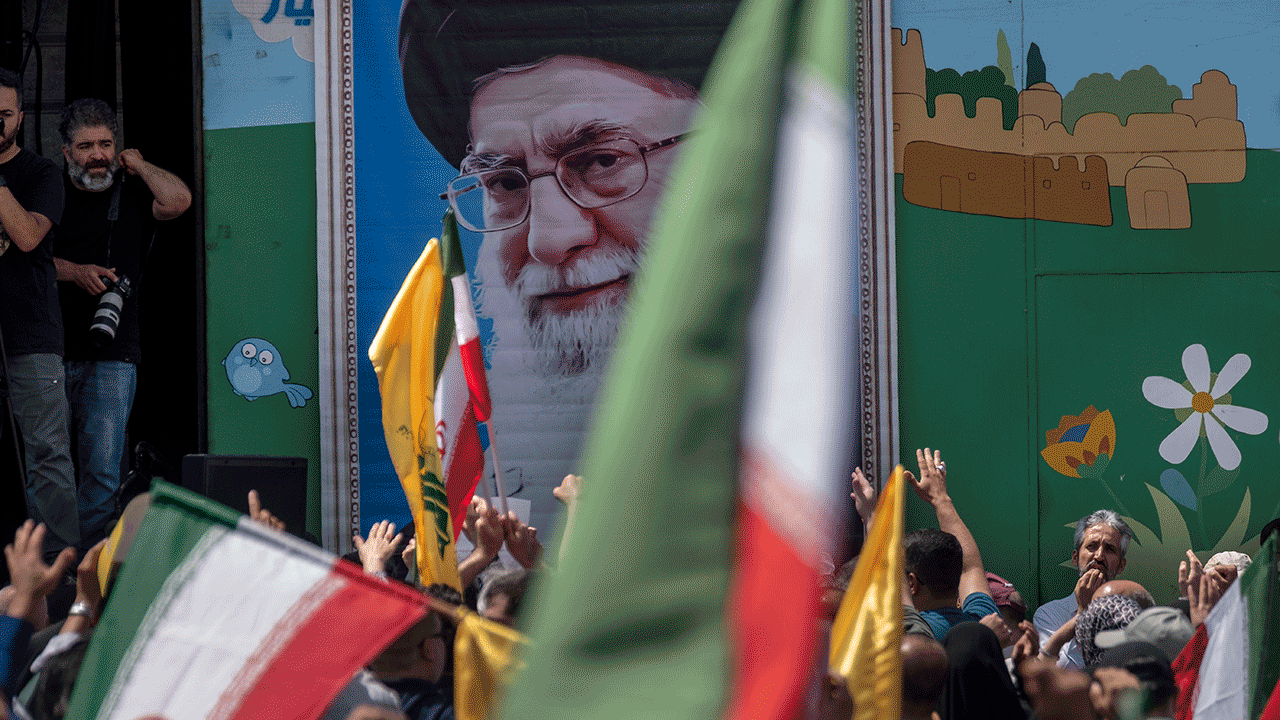
Revolutionary Guards Consolidate Control as New Iranian Leadership Emerges
Killing of Ayatollah Ali Khamenei ushers in collective leadership with increased power for military commanders.
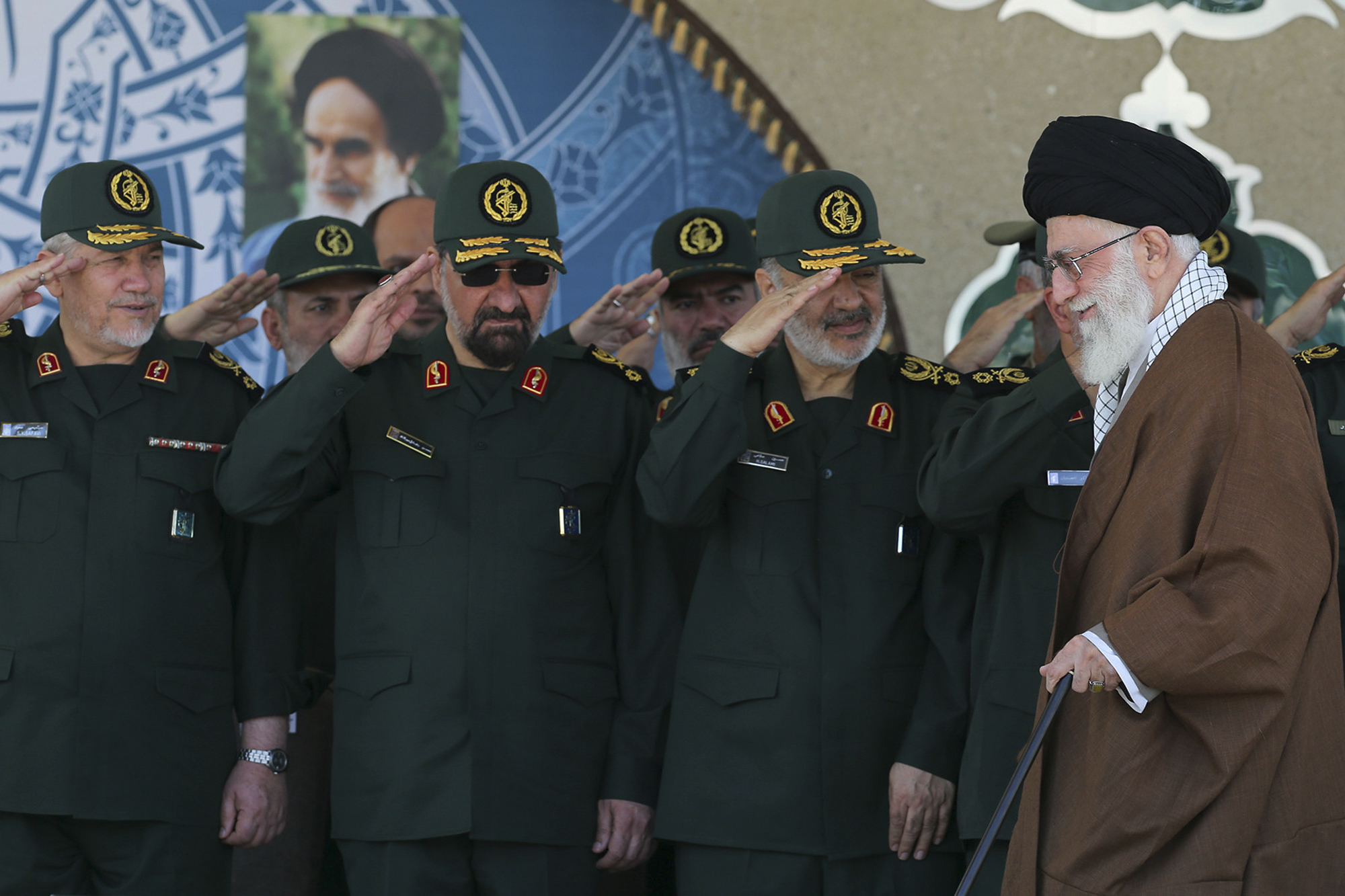
The death of Supreme Leader Ayatollah Ali Khamenei has fundamentally transformed Iran's power structure, ushering in a new form of collective leadership that grants unprecedented authority to the Revolutionary Guards Corps. The dramatic shift represents one of the most significant changes in Iranian governance since the 1979 Islamic Revolution, with military commanders now effectively running the country while the new supreme leader remains largely sidelined.
Reporting indicates that the new supreme leader, Mojtaba Khamenei, is struggling with severe injuries sustained during the strikes that killed his father. He has suffered grave injuries to his face and lips that have left him barely able to speak, forcing him to communicate through handwritten messages relayed via a human chain. His physical condition and subsequent isolation have led him to delegate most decision-making authority to Revolutionary Guards commanders, marking a decisive shift in Iran's traditional power structure.
The combination of Mojtaba Khamenei's injuries and isolation has created a leadership vacuum that the Revolutionary Guards have moved quickly to fill. The generals are now largely running day-to-day operations of the country, making critical decisions about both domestic policy and international affairs. This represents a significant departure from Iran's traditional theocratic system, where supreme leader held ultimate authority over all major decisions.
The new arrangement has emerged during one of the most challenging periods in Iran's recent history, as the country faces ongoing conflict with the United States and mounting economic pressures from international sanctions. The Revolutionary Guards' increased influence comes at a time when Iran is also dealing with the volatile standoff in the Strait of Hormuz and complex negotiations over cease-fires in Lebanon involving Iranian-backed Hezbollah forces.
The transformation of Iran's leadership structure has profound implications for the country's future direction and its relationships with regional and global powers. The Revolutionary Guards have historically taken a more hardline stance on international issues, and their increased influence could affect Iran's approach to negotiations and conflict resolution. The collective leadership model also raises questions about long-term stability and governance in a country that has traditionally relied on centralized religious authority.