Iran's Grip on Strait of Hormuz Tightens as Ship Traffic Halts
Revolutionary Guards seize two vessels as critical shipping route becomes flashpoint, injecting uncertainty into ongoing ceasefire negotiations.
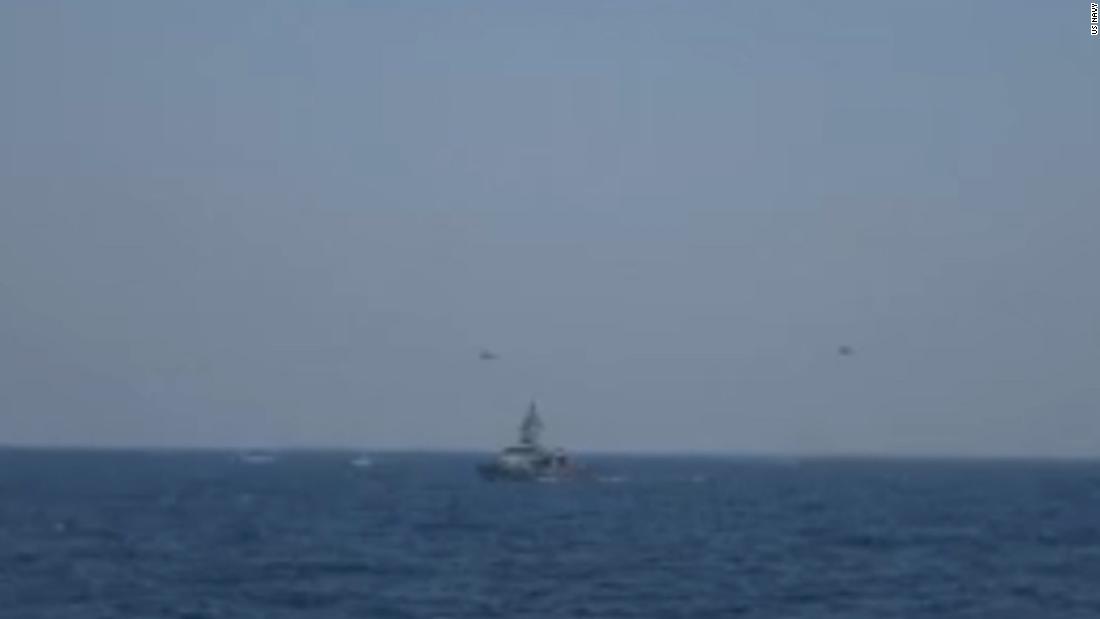
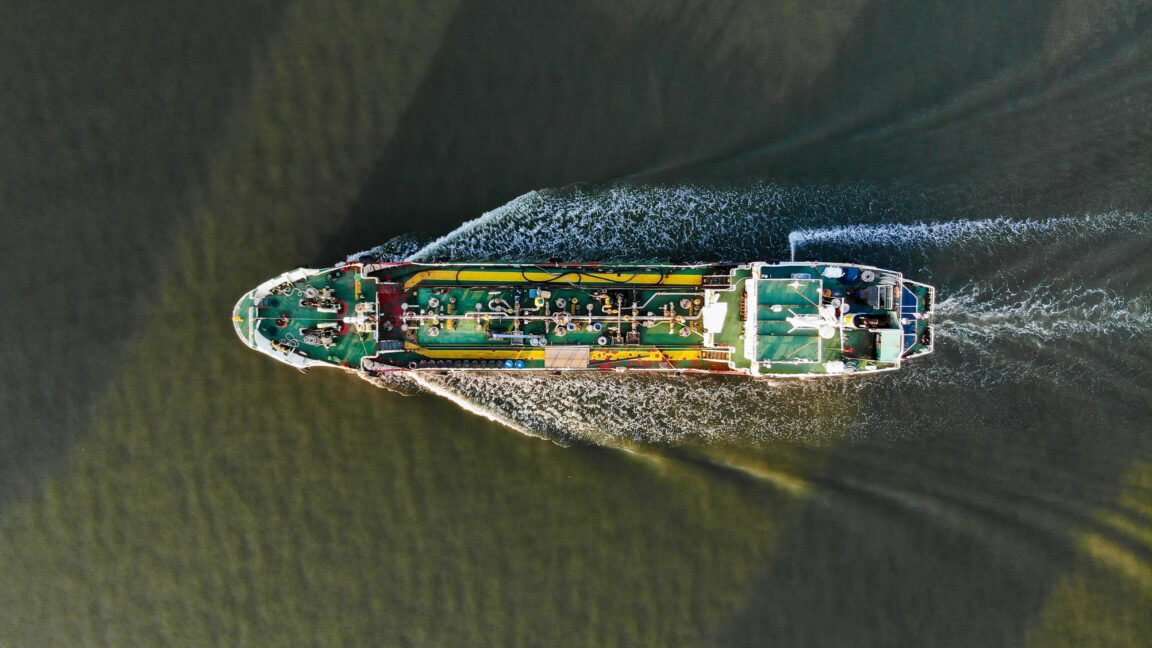
Iran's Revolutionary Guards announced the seizure of two commercial ships near the Strait of Hormuz on Wednesday, effectively halting maritime traffic through one of the world's most critical energy chokepoints. The action represents a significant escalation in Iran's efforts to control shipping in the narrow waterway, despite ongoing ceasefire negotiations with the Trump administration aimed at resolving the broader regional conflict.
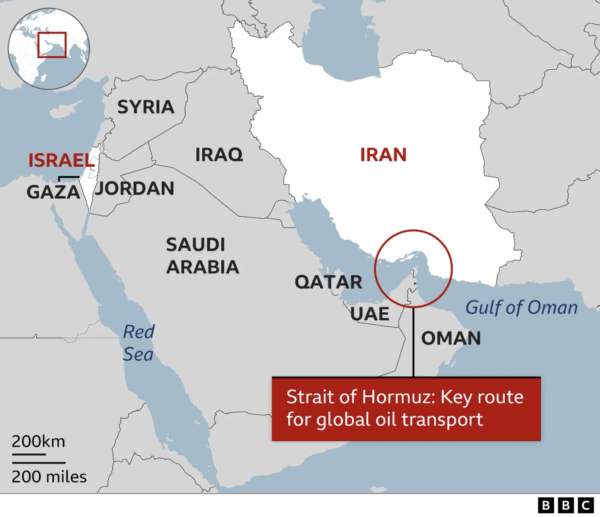
Traffic through the strait has come to a virtual standstill as Iran has renewed its aggressive targeting of civilian vessels, with Wednesday's seizures marking the latest in a series of attacks on commercial shipping. The 21-mile-wide strait serves as the primary transit route for approximately 20% of global oil shipments, making any disruption a potential catalyst for worldwide energy price spikes. More than 300 ships with links to Iran have successfully passed through the waterway since the current conflict began, highlighting the selective nature of Tehran's enforcement actions.
The ship seizures occurred just hours before scheduled ceasefire talks were set to resume in Qatar, injecting new uncertainty into diplomatic efforts to resolve the Iran crisis. A Trump administration spokeswoman stated that the president does not view the Iranian actions as violating the existing ceasefire agreement, suggesting Washington's determination to continue negotiations despite the maritime provocations. The administration's measured response reflects the delicate balance between maintaining pressure on Iran while avoiding actions that could derail peace talks.
Iranian leaders appear to be testing the limits of American patience while positioning themselves advantageously for potential ceasefire negotiations. Tehran's strategy involves demonstrating its ability to disrupt global commerce while calculating that President Trump's desire to avoid prolonged military engagement will ultimately favor Iranian interests. This approach carries significant risks for ordinary Iranians, who face increasingly severe economic hardships as international sanctions tighten in response to their government's aggressive actions.
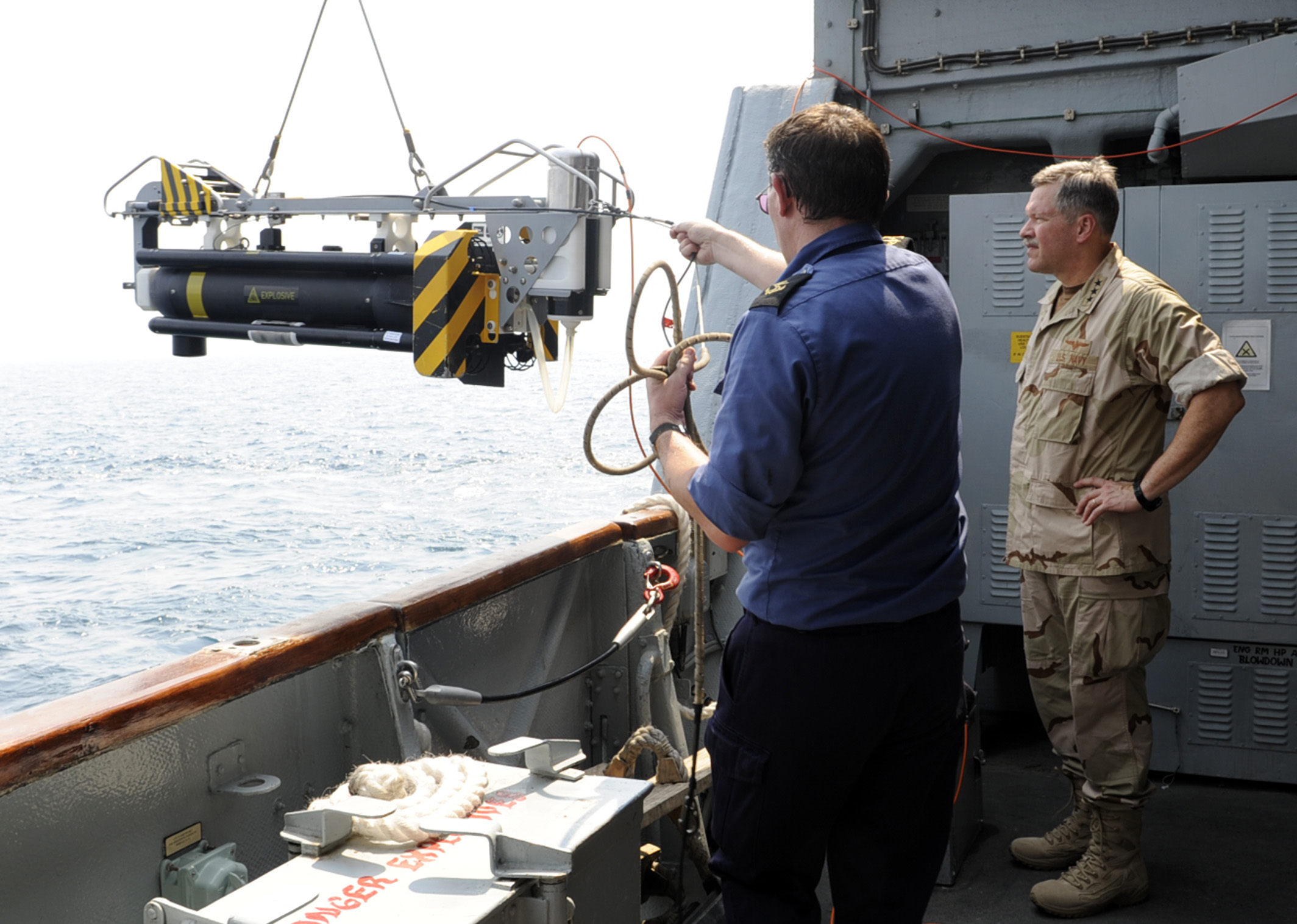
The renewed targeting of commercial vessels underscores Iran's strategic use of the Strait of Hormuz as leverage in broader geopolitical negotiations. Naval analysts warn that continued disruption of shipping could force the international community to consider military escort operations, potentially escalating the conflict beyond its current scope. The situation presents a critical test of the Trump administration's ability to balance diplomatic engagement with the protection of vital international shipping lanes that underpin the global economy.