Cryptocurrency Scam Targets Ships in Iran War Zone with False Safe Passage
Fraudulent digital currency scheme lures vessels into the dangerous Strait of Hormuz by promising protection during ongoing military conflict.

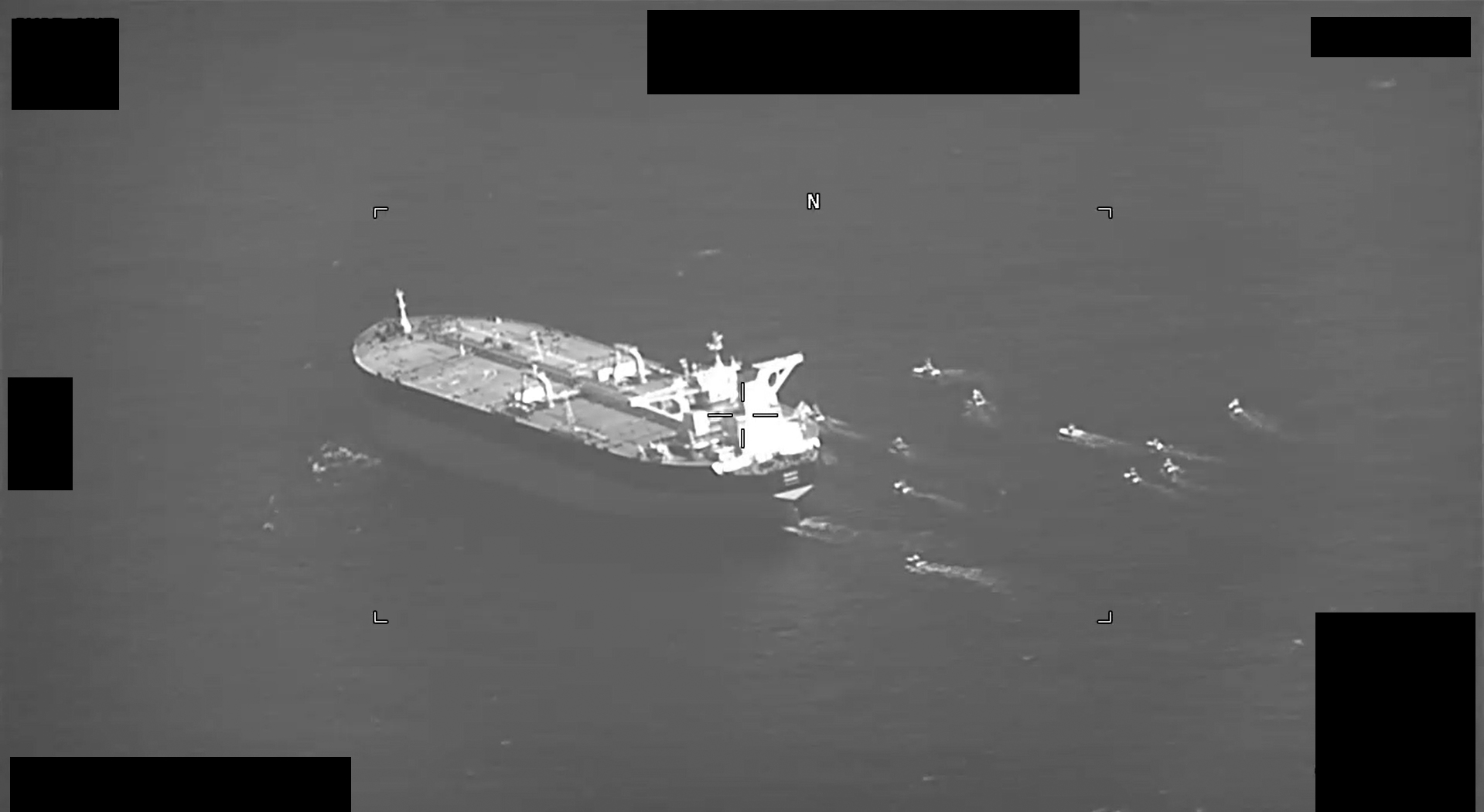
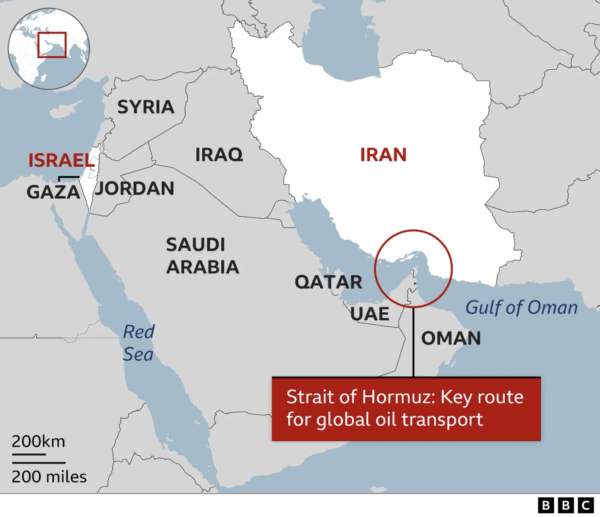
A sophisticated cryptocurrency scam has emerged targeting commercial shipping in the strategically vital Strait of Hormuz, exploiting the ongoing military tensions between Iran and the United States to defraud vessel operators. The fraudulent scheme promises safe passage through the conflict zone in exchange for digital currency payments, taking advantage of the desperate situation facing international shipping companies as Iranian forces continue mining operations and vessel seizures in the critical waterway. Maritime security experts warn that this scam represents a dangerous new evolution in cyber fraud that directly exploits geopolitical instability.
The scam operates by contacting shipping companies and vessel operators through official-looking communications that claim to offer guaranteed safe transit through Iranian-controlled waters. Fraudsters demand payment in various cryptocurrencies, typically Bitcoin or Ethereum, in exchange for supposed "protection certificates" or "safe passage guarantees" that they claim will prevent Iranian forces from targeting specific vessels. The payments, often ranging from tens of thousands to hundreds of thousands of dollars, are collected through untraceable digital wallets that disappear once the funds are transferred.
Victims of the scheme report receiving sophisticated documentation that appears to originate from legitimate maritime authorities or international organizations, complete with official seals and reference numbers. The scammers demonstrate detailed knowledge of shipping routes, vessel specifications, and current military activities in the region, lending credibility to their fraudulent offers. Some operators report being contacted multiple times with increasingly urgent messages about "limited-time protection windows" that pressure quick decision-making without proper verification.
Maritime insurance companies and shipping industry organizations have issued urgent warnings about the scam, emphasizing that no legitimate authority is selling safe passage guarantees through cryptocurrency payments. The International Chamber of Shipping has advised all operators to verify any communications claiming to offer protection services through official diplomatic channels before making any payments. Industry experts stress that legitimate maritime security arrangements are handled through established international protocols, not anonymous digital currency transactions.
The emergence of this scam highlights how cybercriminals are increasingly exploiting real-world crises and conflicts to target vulnerable industries and individuals. As the situation in the Strait of Hormuz continues to deteriorate, shipping companies face genuine security concerns that make them susceptible to such fraudulent schemes. Law enforcement agencies across multiple jurisdictions are investigating these cryptocurrency scams, but the anonymous nature of digital currencies and international scope of maritime shipping make tracking and prosecuting the perpetrators extremely challenging.