Iran Seizes Two Container Ships in Strait of Hormuz Hours After Trump Extends Ceasefire
The IRGC boarded and seized the MSC Francesca and Epaminondas, with the UK disputing Iran's claim that the vessels had permission to transit.

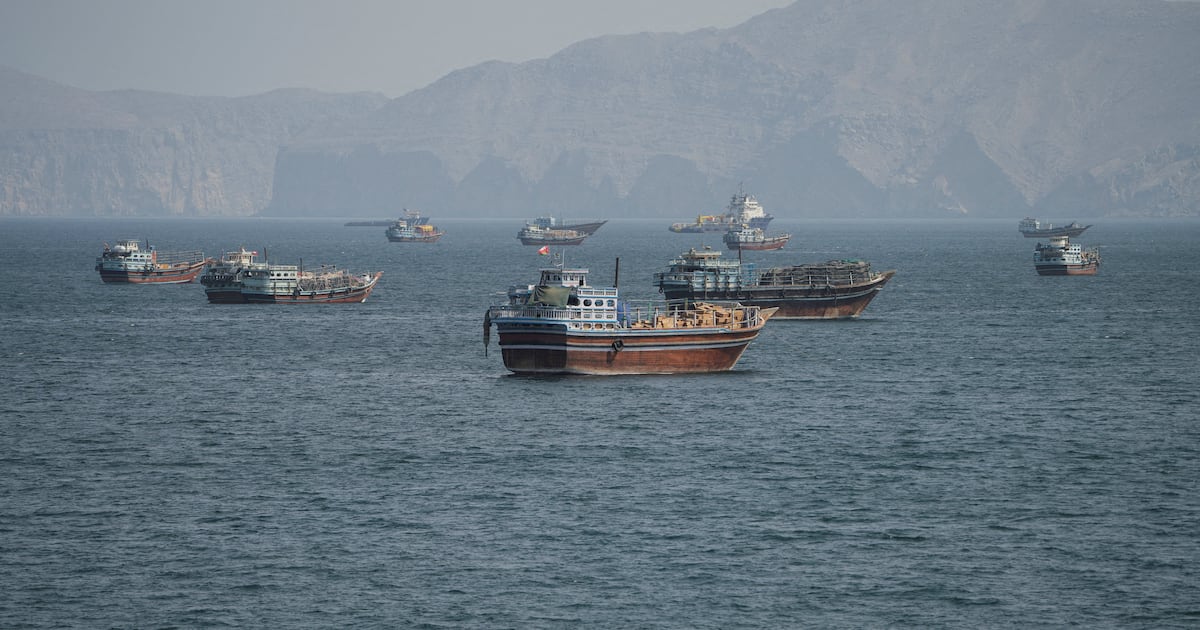
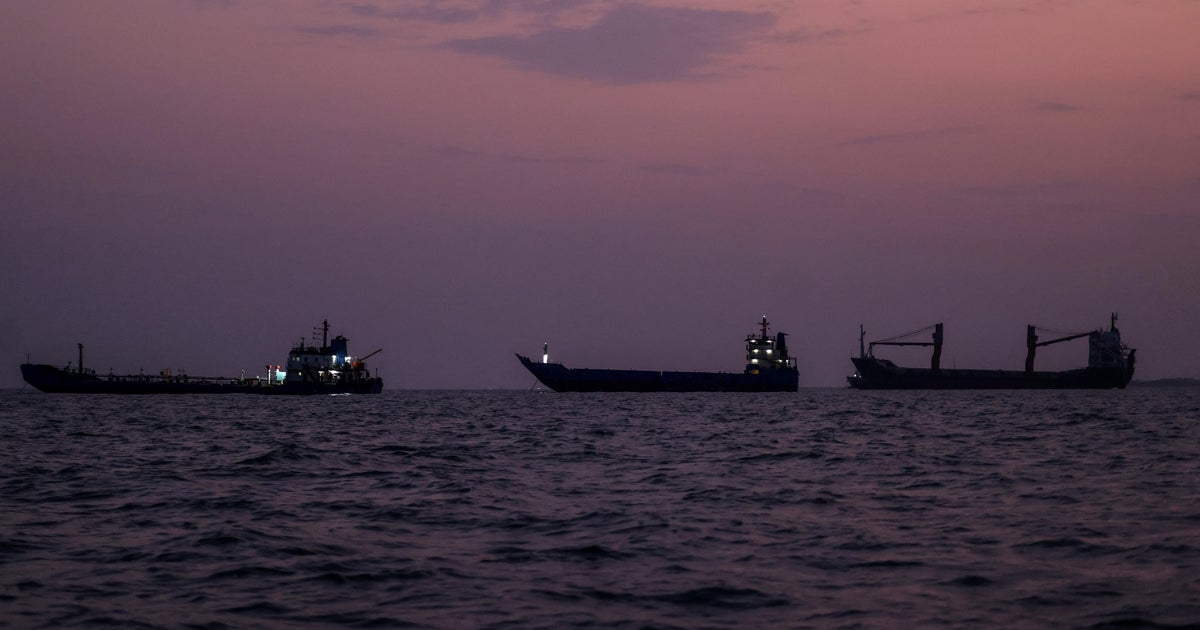
Hours after President Donald Trump announced an indefinite extension of the Iran ceasefire on Tuesday, Iran's Islamic Revolutionary Guard Corps Navy seized two commercial container ships in the Strait of Hormuz in what the United Kingdom's Maritime Trade Operations called a direct contradiction of earlier diplomatic assurances. The incident sent fresh shockwaves through global oil markets and cast renewed doubt on the durability of any peace settlement.
The two vessels, the MSC Francesca and the Epaminondas, were boarded by IRGC personnel and transferred to Iranian territorial waters to "examine cargo and documents," according to an IRGC statement released late Tuesday. The Revolutionary Guard claimed both ships had been "attempting to secretly exit" the strait and were "disrupting order and safety in the area." The UKMTO disputed the Iranian account entirely, stating that the Epaminondas had been explicitly told it had received permission to transit the strait before IRGC forces closed in.
The seizures come on day 54 of the United States-led military campaign against Iran, a conflict that erupted in late February and has reshaped the geopolitics of the Persian Gulf. A two-week U.S. naval blockade of Iranian ports has pushed Brent crude oil to approximately $99.20 per barrel. Treasury Secretary Scott Bessent warned Tuesday that Iran's Kharg Island oil storage facilities would fill to capacity within days, forcing Iranian oil wells to begin shutting down — a development that could further destabilize the Iranian economy and spike energy prices globally.
Earlier in the day, Vice President JD Vance had been scheduled to travel to Islamabad to meet with Pakistani intermediaries facilitating indirect U.S.-Iran nuclear talks. That trip was abruptly canceled hours after the ship seizures were confirmed. Iranian Foreign Minister Abbas Araghchi reiterated that Tehran would "not negotiate under the shadow of threats," even as the ceasefire extension remained technically in force. The cancellation left U.S. and Iranian negotiators without a scheduled meeting for the first time in two weeks.
The economic toll of the conflict continues to mount globally. Jet fuel prices have roughly doubled since hostilities began, prompting United Airlines to announce a 15 to 20 percent increase in summer fares. Lufthansa Group said Tuesday it would cancel 20,000 short-haul flights through October due to elevated fuel costs. The United Kingdom reported March inflation of 3.3 percent, with fuel prices up 4.9 percent. Lebanon has requested $587 million in humanitarian aid from international partners. The S&P 500 fell 0.63 percent and the Dow Jones Industrial Average shed 293 points on Tuesday as investors parsed the deeply ambiguous signals from Washington and Tehran.
The United Kingdom and France are convening a summit of more than 30 nations this week to develop a coordinated strategy for reopening the Strait of Hormuz — through which approximately 20 percent of the world's oil supply passes. The IRGC has separately warned that it could target oil production infrastructure across the Gulf if military strikes originate from neighboring states. Iran remains in its 54th consecutive day of a nationwide internet blackout, and four individuals have been executed since Sunday, with Iranian authorities alleging the men had spied for Israel.