Iran Moves to Control Strait of Hormuz as Secretary Rubio Promises Swift Victory Without Ground Troops
Two ships turn back after Iranian warnings while Tehran reports strikes hit uranium processing plant and industrial sites. Secretary of State says war will end 'in a matter of weeks' as he leaves G7 meeting in France.

Iran moved aggressively on Thursday to tighten its grip on the Strait of Hormuz, turning back at least two commercial vessels attempting to transit the vital waterway, while Secretary of State Marco Rubio declared at a G7 meeting in France that the conflict would conclude within weeks without the need for American ground troops.
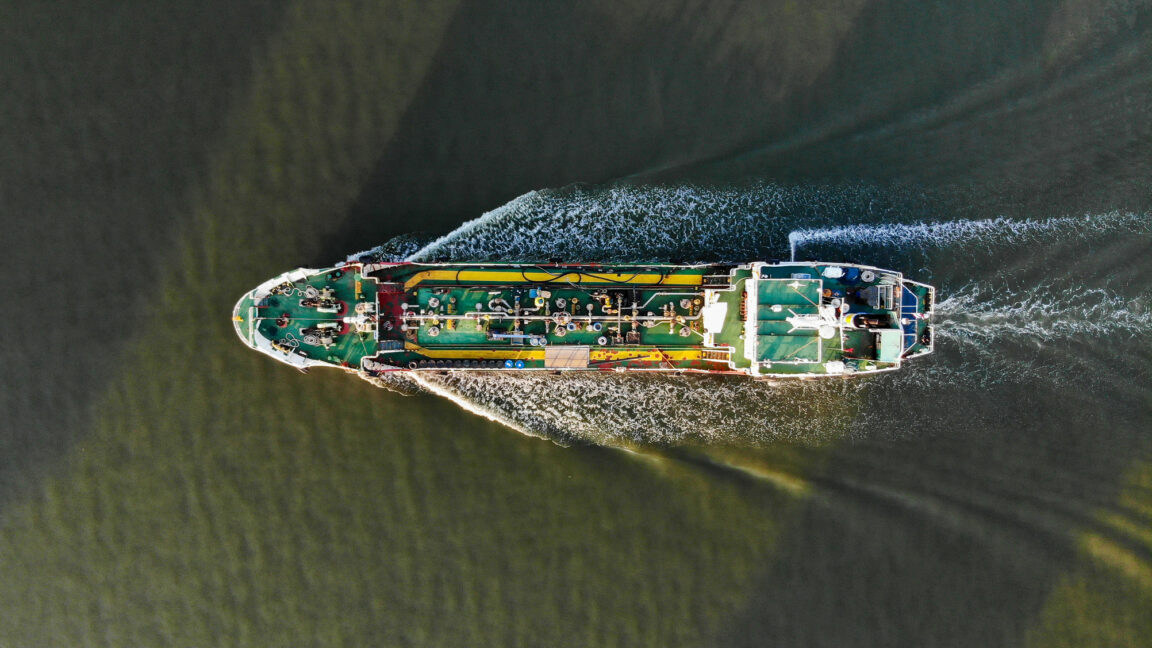
The dual developments underscored the widening gap between the administration's optimistic public messaging and the increasingly complex military reality in the Persian Gulf. Iranian naval forces issued direct warnings to a Greek-flagged tanker and a Singaporean container ship, both of which reversed course rather than risk confrontation. The incidents marked the first time since the war began that Iran had directly interdicted commercial shipping outside its territorial waters, raising the stakes for global energy markets and maritime trade.
Rubio, speaking to reporters after cutting short his participation in G7 discussions on the conflict, said the United States and its allies had already degraded a significant portion of Iran's military infrastructure. He pointed to the destruction of uranium processing facilities, air defense networks, and naval bases as evidence that Tehran's capacity to sustain the fight was diminishing rapidly. Asked whether the administration was considering deploying ground forces, Rubio was emphatic in his denial.
But military analysts said Rubio's timeline is at odds with conditions on the ground. Iran has laid hundreds of naval mines throughout the strait and its approaches, and clearing those mines is a painstaking process that could take months even under favorable conditions. The Islamic Revolutionary Guard Corps Navy continues to operate fast attack boats from concealed positions along Iran's southern coast, and its shore-based anti-ship missile batteries remain a threat to any vessel transiting within range.
Tehran, meanwhile, reported that overnight airstrikes had struck a uranium processing facility near Isfahan and several industrial complexes in the provinces of Khuzestan and Fars. Iranian state media released footage purporting to show damage to civilian infrastructure, including a pharmaceutical factory and a water treatment plant. The Pentagon acknowledged strikes on military targets in those areas but denied hitting civilian facilities. Independent verification of the damage has been impossible due to Iran's expulsion of most foreign journalists at the start of the conflict.
The Strait of Hormuz carries roughly 20 percent of the world's oil supply and an even larger share of liquefied natural gas shipments, primarily from Qatar. With the waterway now effectively contested, global energy prices have continued their steep climb. Brent crude oil traded above $110 per barrel on Thursday, up from approximately $70 when hostilities began on February 28. Insurance premiums for vessels transiting the Gulf have increased tenfold, and several major shipping lines have suspended all sailings through the strait indefinitely.
European leaders at the G7 expressed frustration with both the pace of the conflict and what they described as the administration's failure to articulate a clear endgame. French President Emmanuel Macron called for an immediate ceasefire and the convening of emergency negotiations under United Nations auspices, a proposal the United States rejected. German Chancellor Friedrich Merz warned that prolonged disruption to energy supplies through the strait would push Europe into a recession comparable to the 2022 energy crisis triggered by Russia's invasion of Ukraine.
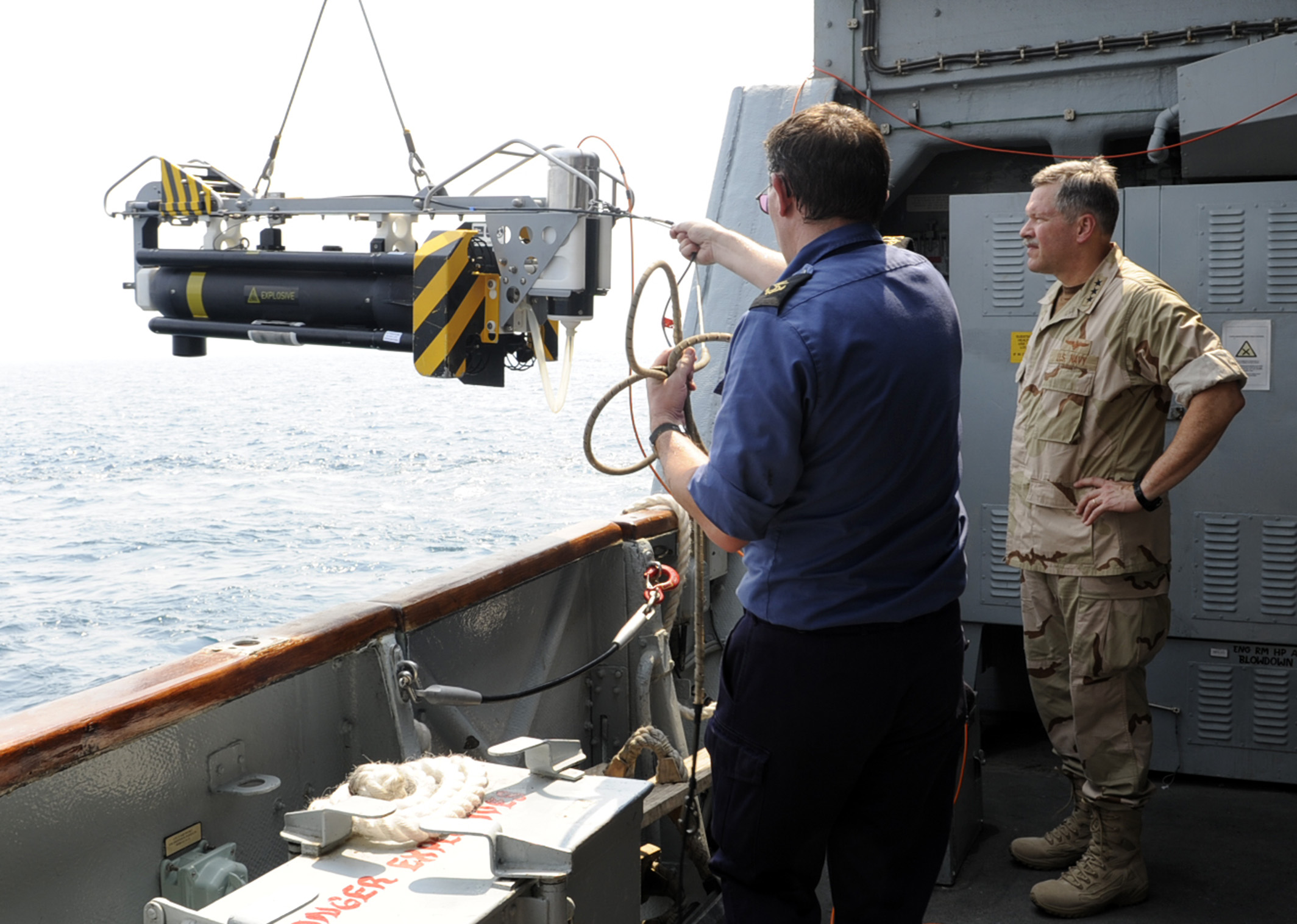
At the Pentagon, officials outlined a phased approach to reopening the strait that begins with neutralizing Iranian coastal defenses and mine-clearing operations. However, senior military leaders have privately cautioned that the timeline for fully reopening the waterway extends well beyond the weeks that Rubio suggested. The Navy's mine countermeasures fleet, which has been reduced in recent decades, is operating at maximum capacity, and allied nations have been slow to commit their own mine-clearing assets to the effort.
The human cost of the conflict continues to mount on both sides. Iran's health ministry reported that more than 1,200 people have been killed in airstrikes since the war began, though that figure could not be independently confirmed. The United States has acknowledged the deaths of 14 service members, most in incidents involving Iranian drone and missile attacks on naval vessels operating in the Gulf.