Revolutionary Guards Assume Control of Iran Following Supreme Leader's Death
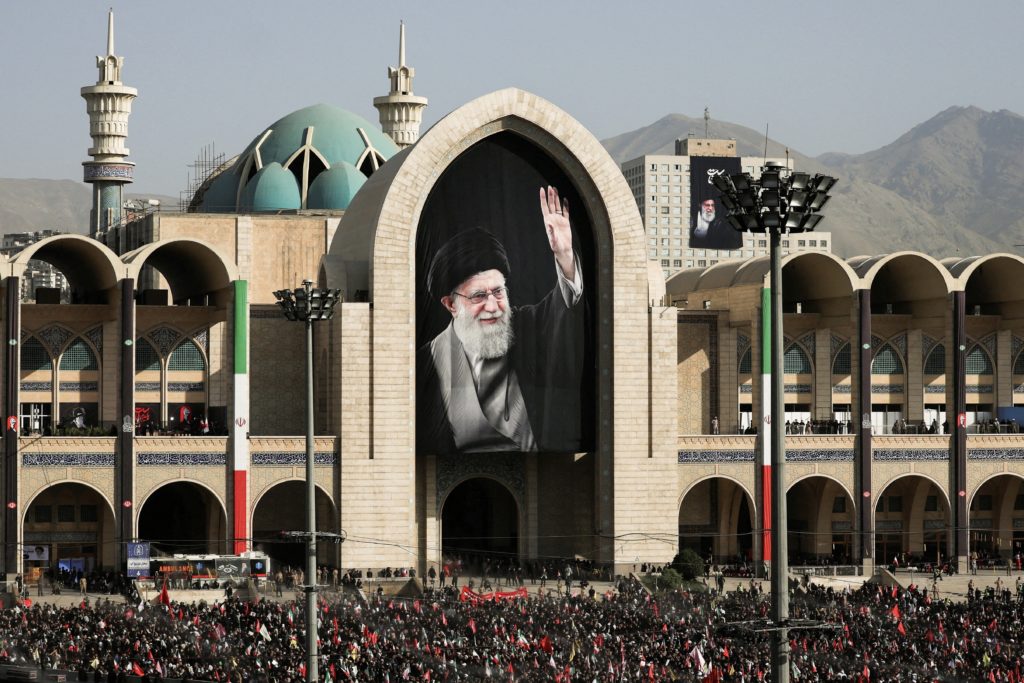
The killing of Ayatollah Ali Khamenei has ushered in a new form of collective leadership dominated by military generals, fundamentally reshaping Iran's power structure.
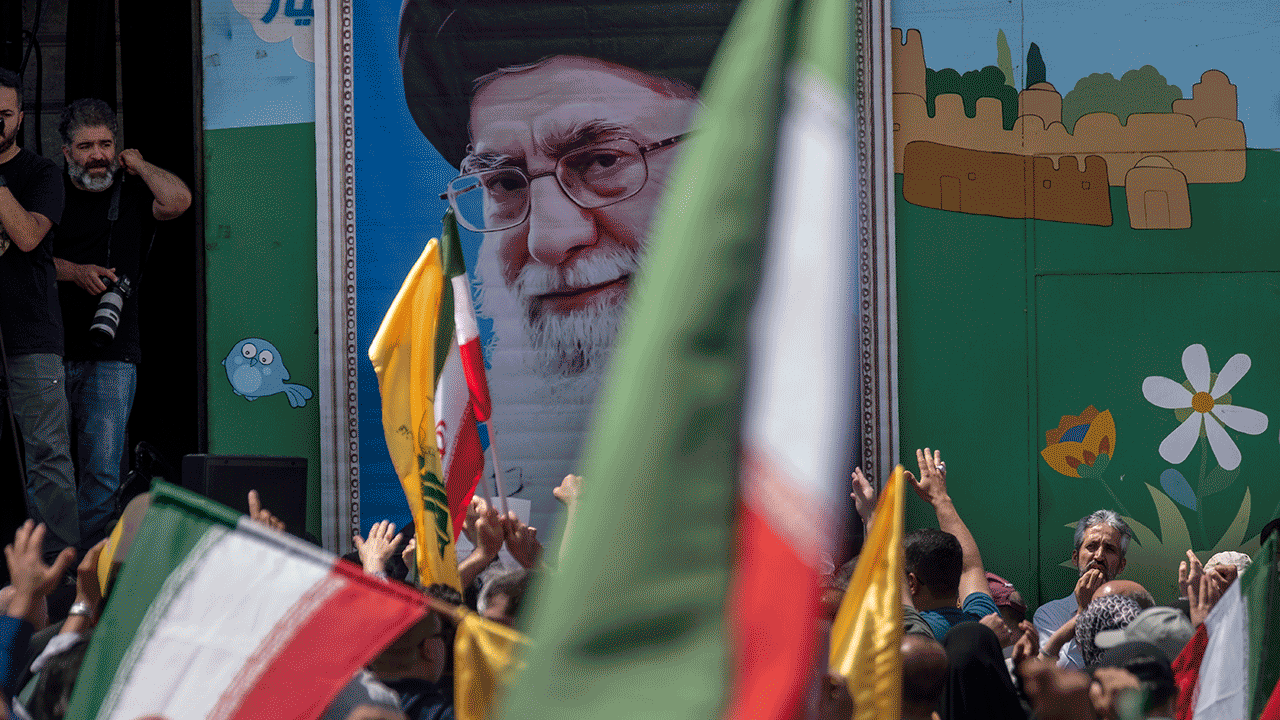
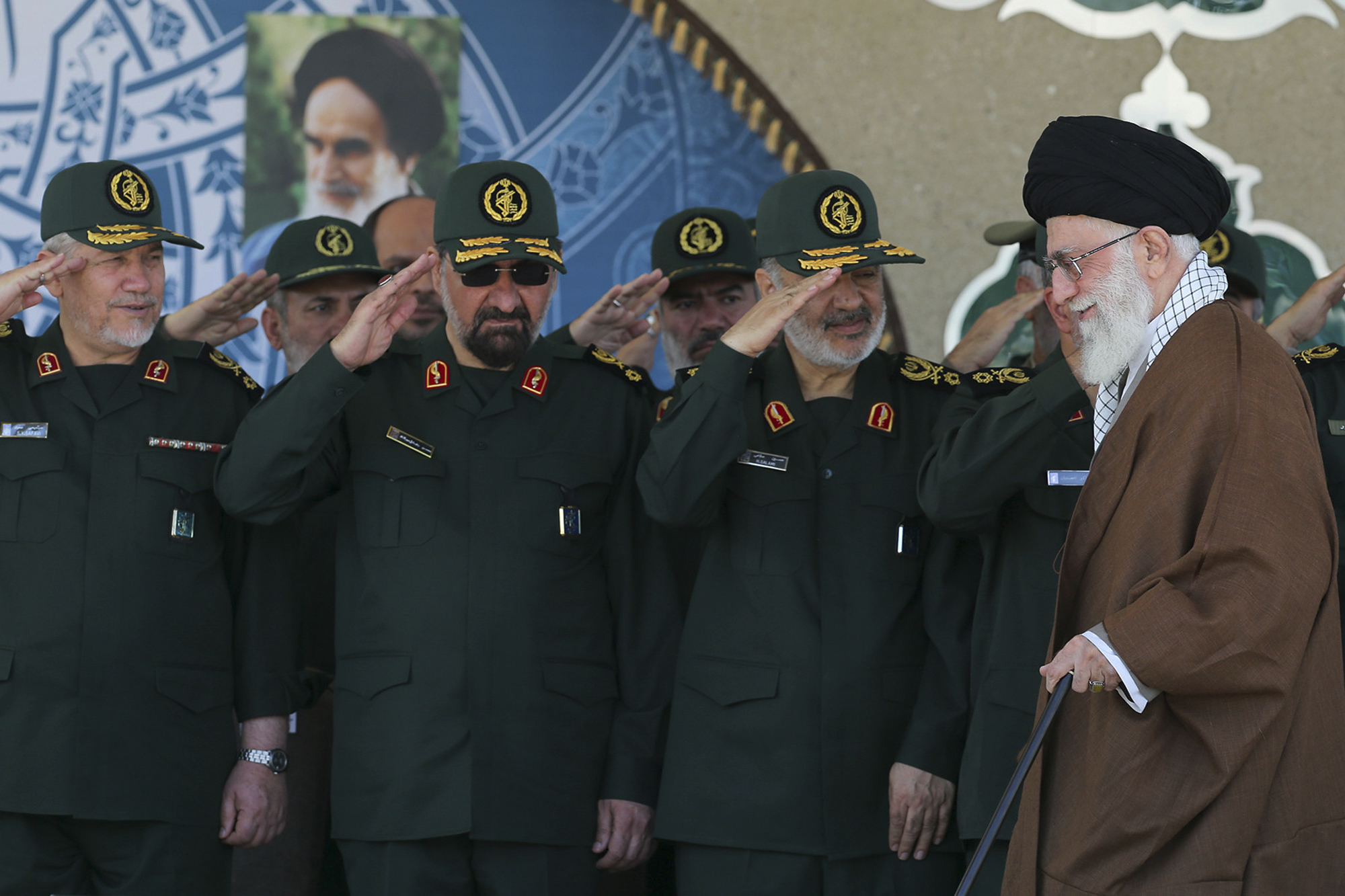
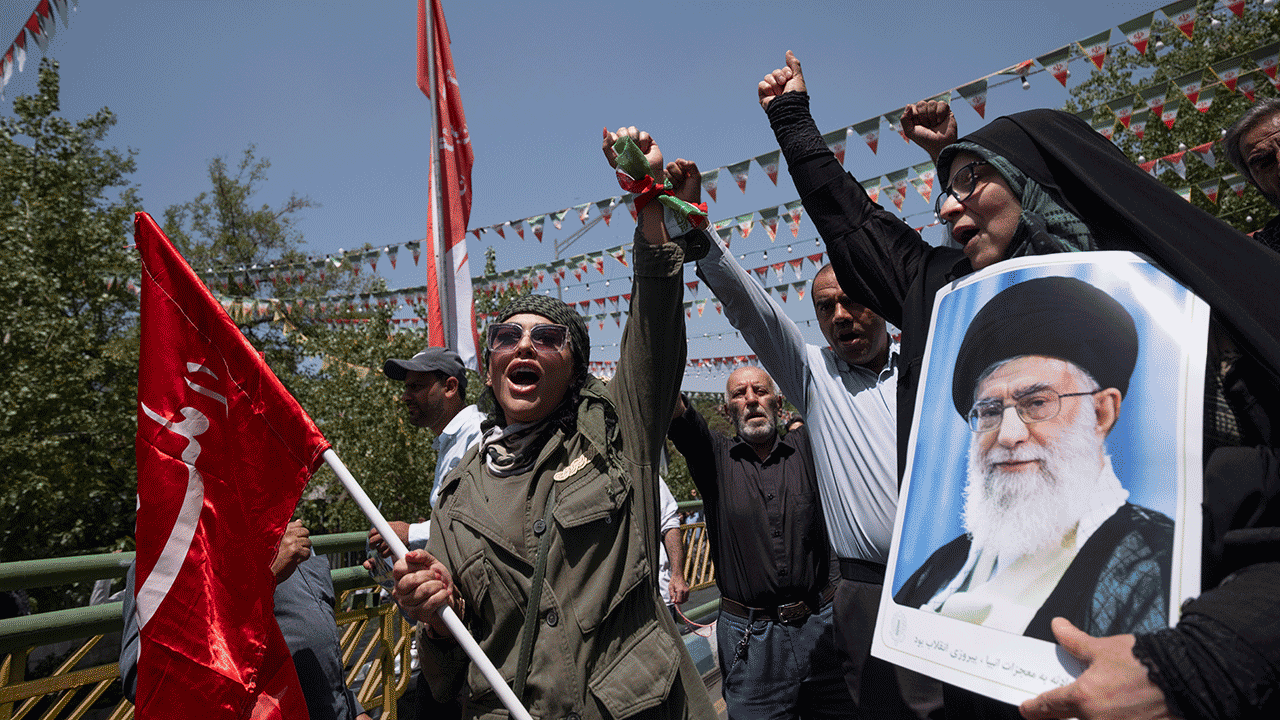
Iran has entered a new era of military-dominated leadership following the death of Supreme Leader Ayatollah Ali Khamenei, with Revolutionary Guards commanders now wielding unprecedented control over the Islamic Republic. The dramatic shift represents the most significant change in Iran's power structure since the 1979 revolution, as traditional clerical authority gives way to a collective military leadership. Sources close to the regime indicate that senior Revolutionary Guards generals have formed a ruling council to manage the country's affairs during this critical transition period.
The transformation comes at a particularly volatile moment for Iran, as the country remains embroiled in military conflict with the United States over control of strategic shipping lanes in the Persian Gulf. Revolutionary Guards naval forces have been actively mining the Strait of Hormuz and seizing commercial vessels, actions that have escalated tensions with Washington to dangerous levels. The military leadership's expanded role suggests Iran may pursue an even more aggressive stance in the ongoing confrontation.
Analysts describe this development as a fundamental departure from Iran's traditional theocratic governance model, where religious clerics maintained ultimate authority over political and military decisions. The Revolutionary Guards' ascension to power reflects their growing influence over the past decade, as they expanded their control over both domestic security and foreign military operations. Their economic empire, built through sanctions-busting activities and control of key industries, has provided them with the resources necessary to consolidate political power.
The international community is closely monitoring how this leadership change will affect Iran's nuclear program and regional military activities. Revolutionary Guards commanders have historically taken a harder line on both issues compared to civilian leaders, raising concerns about potential escalation in multiple theaters. The European Union and several Arab nations have already begun reassessing their diplomatic approaches to Tehran in light of the military takeover.
This unprecedented concentration of military power in Iran could have far-reaching implications for Middle Eastern stability and global energy markets. With Revolutionary Guards generals now making key decisions about oil exports, missile programs, and proxy forces across the region, the international community faces the challenge of engaging with a regime that has fundamentally altered its governing structure. The coming weeks will be crucial in determining whether this new collective military leadership will pursue dialogue or further confrontation with the West.