Iran's Leaders Emerge From War Confident Despite Massive Losses
Tehran's theocratic rulers view survival of U.S.-Israeli assault as victory, though internal challenges may be brewing for the regime.
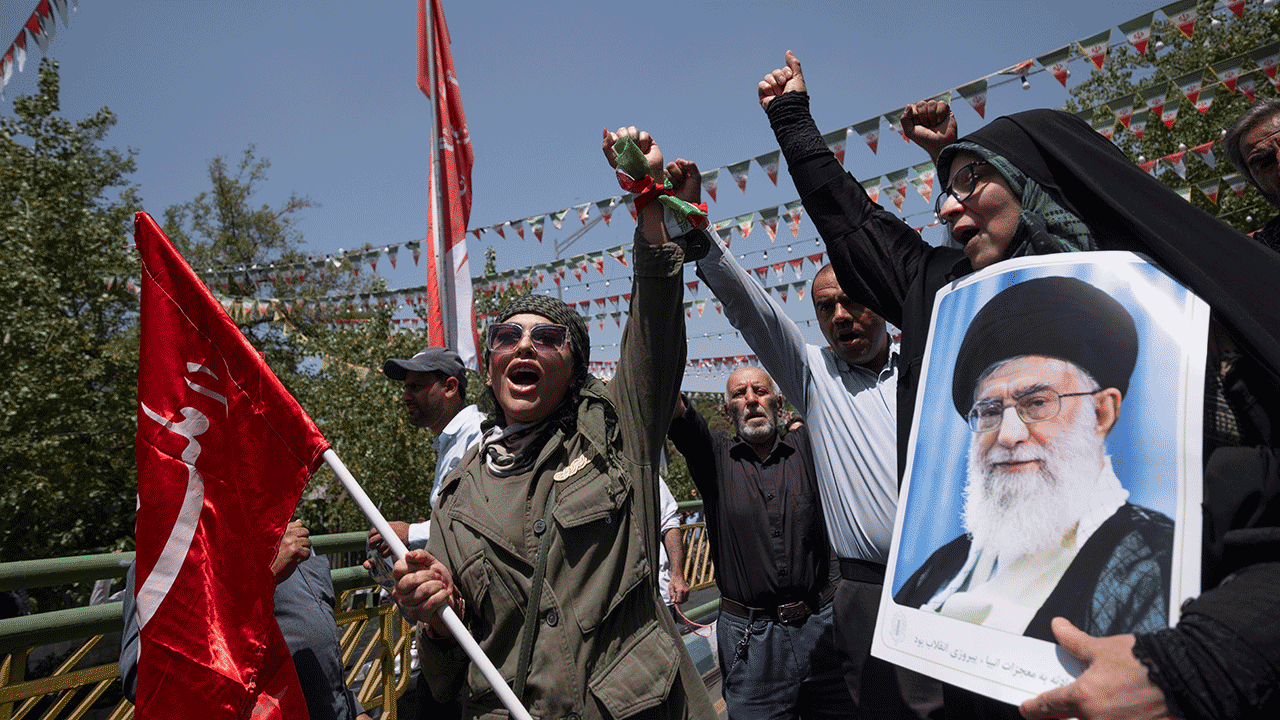
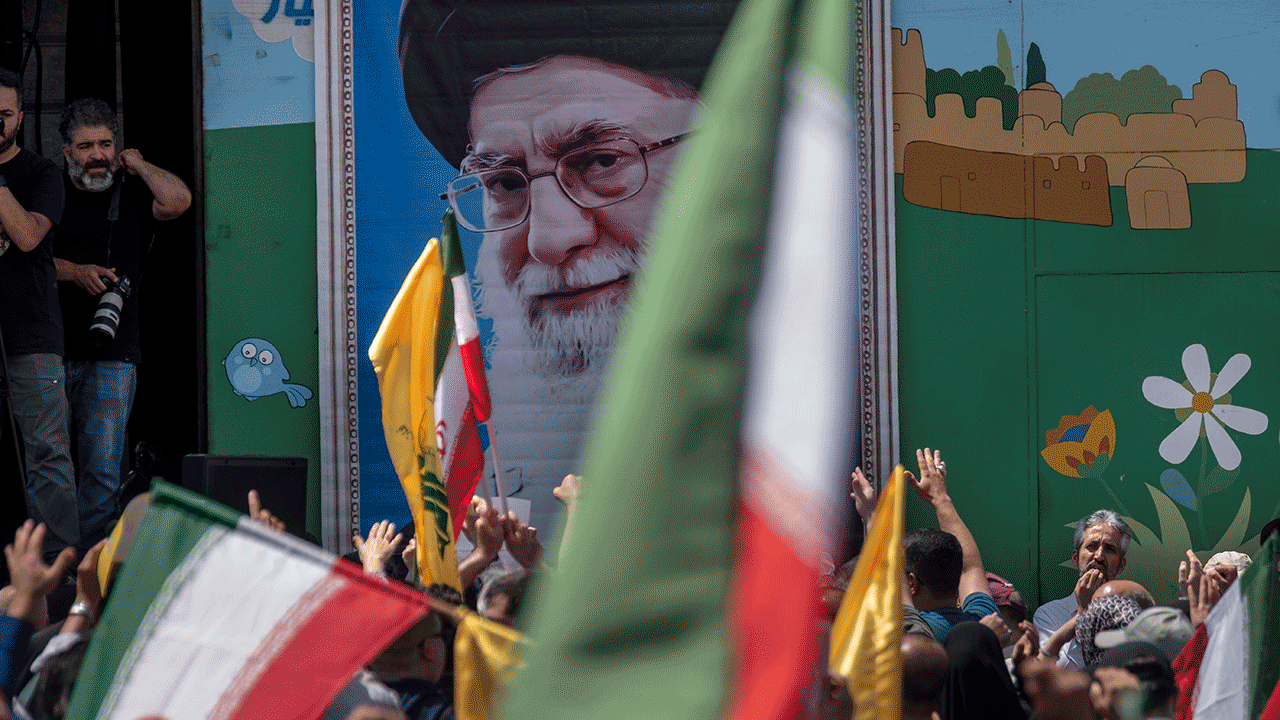
Iran's Supreme Leader and senior clerical establishment are projecting confidence and claiming victory following the conclusion of hostilities with the United States and Israel, despite suffering significant military and economic losses during the conflict. For Iran's theocratic rulers, the mere fact of surviving what they characterize as an unprecedented assault by the world's two most powerful militaries represents a strategic triumph that validates their resistance ideology and regional influence.
Tehran's leadership has been quick to frame the war's outcome as vindication of their long-standing strategy of asymmetric warfare and regional proxy networks. Senior officials argue that Iran's ability to weather the storm demonstrates the resilience of the Islamic Republic and its revolutionary principles. This narrative serves both domestic and regional audiences, as the regime seeks to maintain legitimacy among its supporters while projecting strength to allies and adversaries across the Middle East.
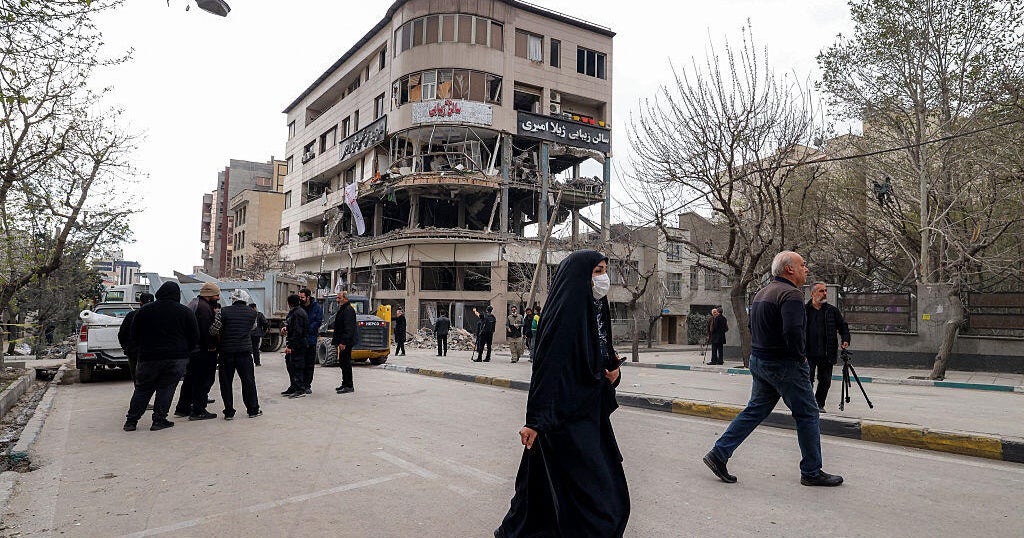
However, beneath the surface of this public confidence, significant challenges may be emerging for Iran's ruling establishment. The war inflicted substantial damage on the country's military infrastructure, including key Revolutionary Guard facilities and missile production capabilities. Economic sanctions related to the conflict have further strained Iran's already weakened economy, potentially creating conditions for domestic unrest similar to previous periods of economic hardship.
Regional dynamics have also shifted in ways that may complicate Iran's strategic position going forward. The conflict demonstrated both the reach and limitations of Iran's proxy network, as some allied groups proved more effective than others in supporting Tehran's war effort. These disparities could lead to internal recalculations among Iran's regional partners and potentially weaken the axis of resistance that has been central to Iranian strategy.
Most concerning for Iran's long-term stability are the seeds of future crises that may have been planted during the war. Younger Iranians, already frustrated with economic conditions and social restrictions, witnessed their country's vulnerability to external attack. This experience could fuel further dissent against the regime, particularly if promised post-war reconstruction fails to materialize or if international isolation continues to deepen Iran's economic problems.