Revolutionary Guards Consolidate Power as Collective Leadership Emerges Following Khamenei's Death
Iran enters new era of military-dominated governance after Supreme Leader's killing, marking historic shift from clerical rule to Revolutionary Guard control.

Iran has entered uncharted political territory following the killing of Supreme Leader Ayatollah Ali Khamenei, with military generals from the Islamic Revolutionary Guard Corps now forming a collective leadership structure that represents a fundamental departure from four decades of clerical rule. The unprecedented transition has consolidated power within the Revolutionary Guards, the elite military force that has long served as the backbone of Iran's theocratic system. This marks the first time since the 1979 Islamic Revolution that religious authorities do not hold ultimate power in the country, signaling a dramatic shift toward military governance that could reshape Iran's domestic policies and international relations.
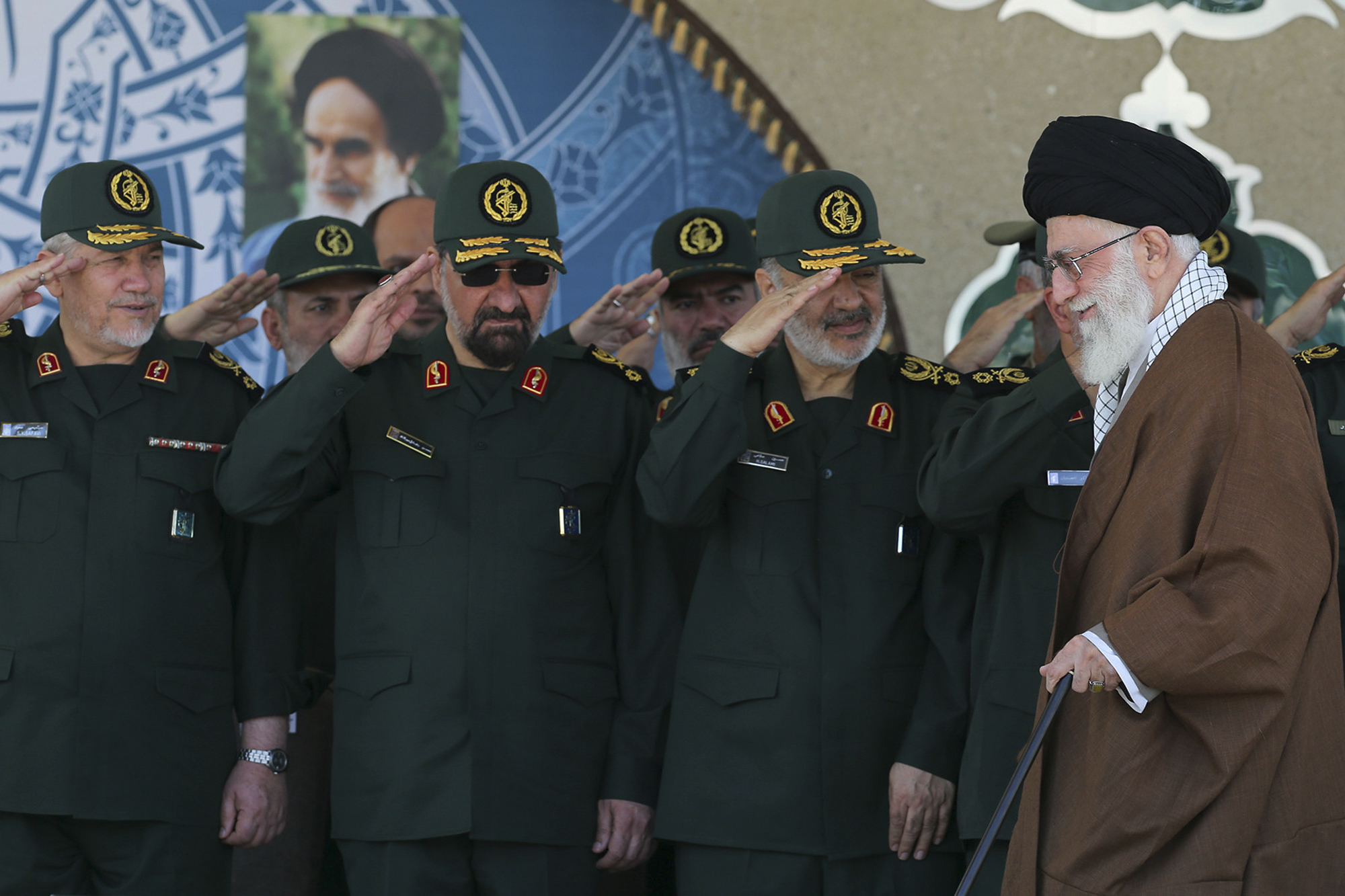
The new leadership structure reflects the Revolutionary Guards' growing influence over Iranian politics and society in recent years, as the military organization expanded its role beyond security matters into economic and political spheres. Sources within Iran indicate that multiple IRGC commanders are sharing decision-making responsibilities, creating a council-style governance system that differs markedly from the singular authority previously wielded by the Supreme Leader. This collective approach may provide more stability during the transition period while preventing any single military figure from accumulating too much power too quickly.
The transformation comes at a critical moment for Iran, as the country faces ongoing conflicts across the Middle East and mounting international pressure over its nuclear program and regional activities. The Revolutionary Guards' ascension to direct political control could lead to more aggressive foreign policy stances, given the organization's history of supporting proxy forces throughout the region and its hardline approach to dealing with Western nations. Domestically, the shift may result in increased security measures and tighter control over civil society, as military leaders prioritize stability and order over the limited reforms that some clerical factions had occasionally supported.
International observers are closely monitoring how this leadership change will affect Iran's relationships with regional allies and adversaries, particularly given the Revolutionary Guards' designation as a terrorist organization by several Western countries. The military leadership's approach to nuclear negotiations, support for regional proxy groups, and relationships with countries like Russia and China could differ significantly from previous clerical leadership. European and American officials are reassessing their diplomatic strategies toward Iran as they attempt to understand the new power dynamics and decision-making processes within the country.
The consolidation of power within the Revolutionary Guards represents more than a simple leadership transition; it fundamentally alters the nature of the Iranian state from a theocracy guided by religious law to a military-dominated system where security concerns may take precedence over religious considerations. This shift could have profound implications for Iranian society, as the Revolutionary Guards have historically taken a more rigid approach to social controls and less tolerance for dissent than some clerical factions. The long-term stability of this new arrangement remains uncertain, as Iran navigates this historic transformation while managing multiple regional conflicts and economic challenges.