The Biggest Megalodon Bones Ever Found Were Believed Destroyed in 1989. They Were Sitting on a Shelf
Rediscovered vertebrae from a single 11-million-year-old shark in Denmark support a length beyond 79 feet — and suggest its pups were born 12 feet long.
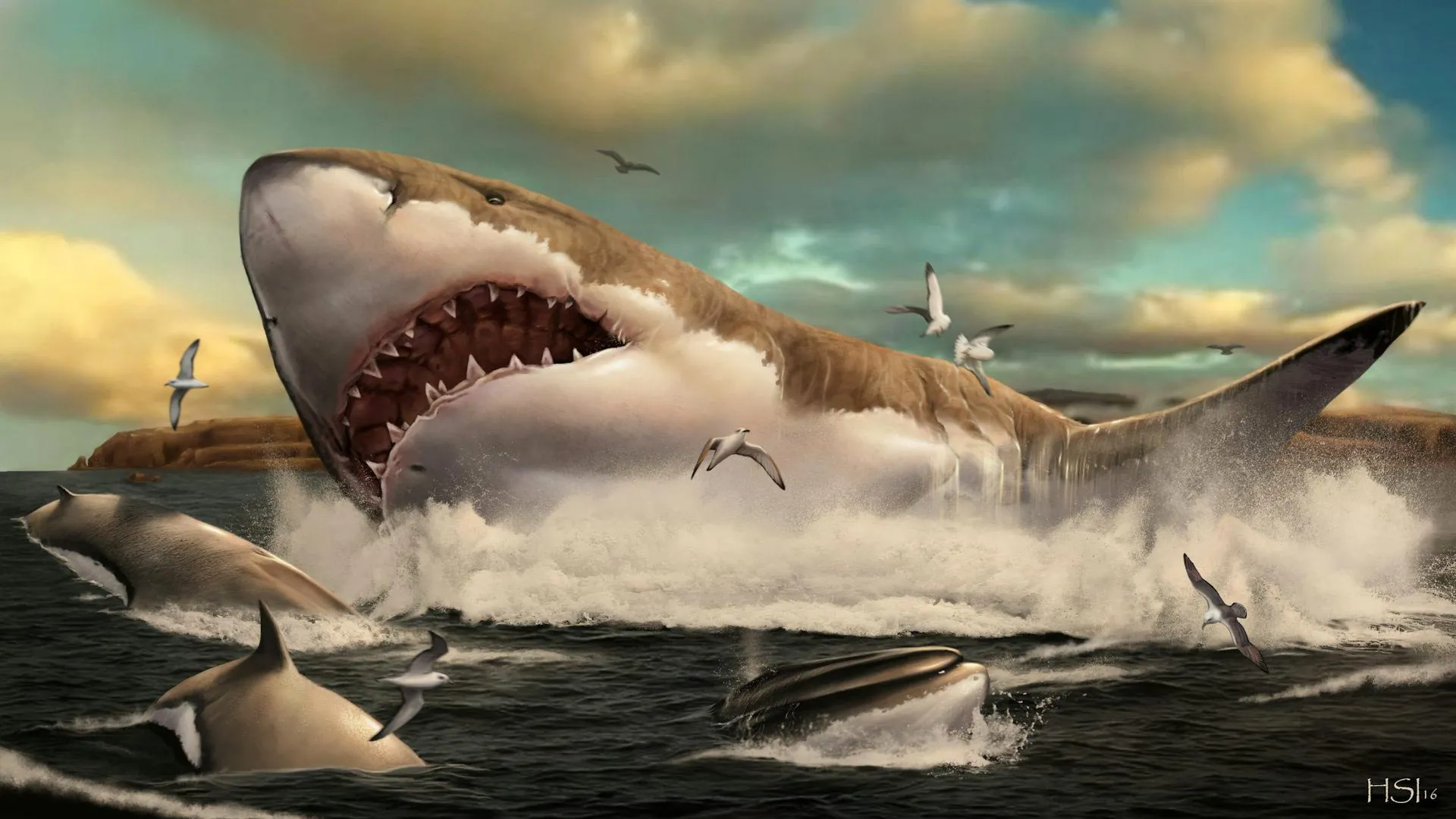
Several enormous vertebrae from the shark the world still calls Megalodon — properly Otodus megalodon — were thought to have been destroyed in 1989, lost during a move between two Danish museums. They had in fact been sitting, unrecognized, on a shelf. Their rediscovery has allowed the first fresh analysis of the specimens in decades, and it points to an animal even larger than most reconstructions allow.
The bones come from a single individual that died about 11 million years ago and was recovered in Denmark. That matters more than it sounds. Shark skeletons are made almost entirely of cartilage, which rots rather than fossilizes; teeth survive by the thousands, but vertebrae almost never do. And a tooth is a poor ruler. Estimating a shark's total length from a single tooth requires stacking assumption on assumption, which is why published size estimates for megalodon have swung wildly for a century. A vertebral centrum scales far more directly with body size — and these are the largest ever recorded for the species, at 23 centimetres, roughly nine inches, in diameter.
The new analysis supports earlier estimates that the animal could exceed 24 metres — 79 feet. For scale, the most exaggerated shark ever put on screen in the Jaws franchise topped out around 10.5 metres, or 34 feet. Otodus megalodon swam the world's oceans between roughly 15 million and 3.5 million years ago, and the study also suggests it lived close to a century. Growth banding preserved in the vertebrae, laid down in layers much like tree rings, records the animal's age, and micro-CT scanning of the rediscovered specimens revealed at least 64 bands, implying a lifespan of more than 64 years and possibly as long as 96.
The most arresting number is at the other end of the life cycle. Working backward through the growth record, the researchers estimate a newborn megalodon may have measured about 3.6 metres — 12 feet. A pup born at that size would already have been longer than most adult great whites, and would have entered the world as an apex predator with essentially no natural enemies.
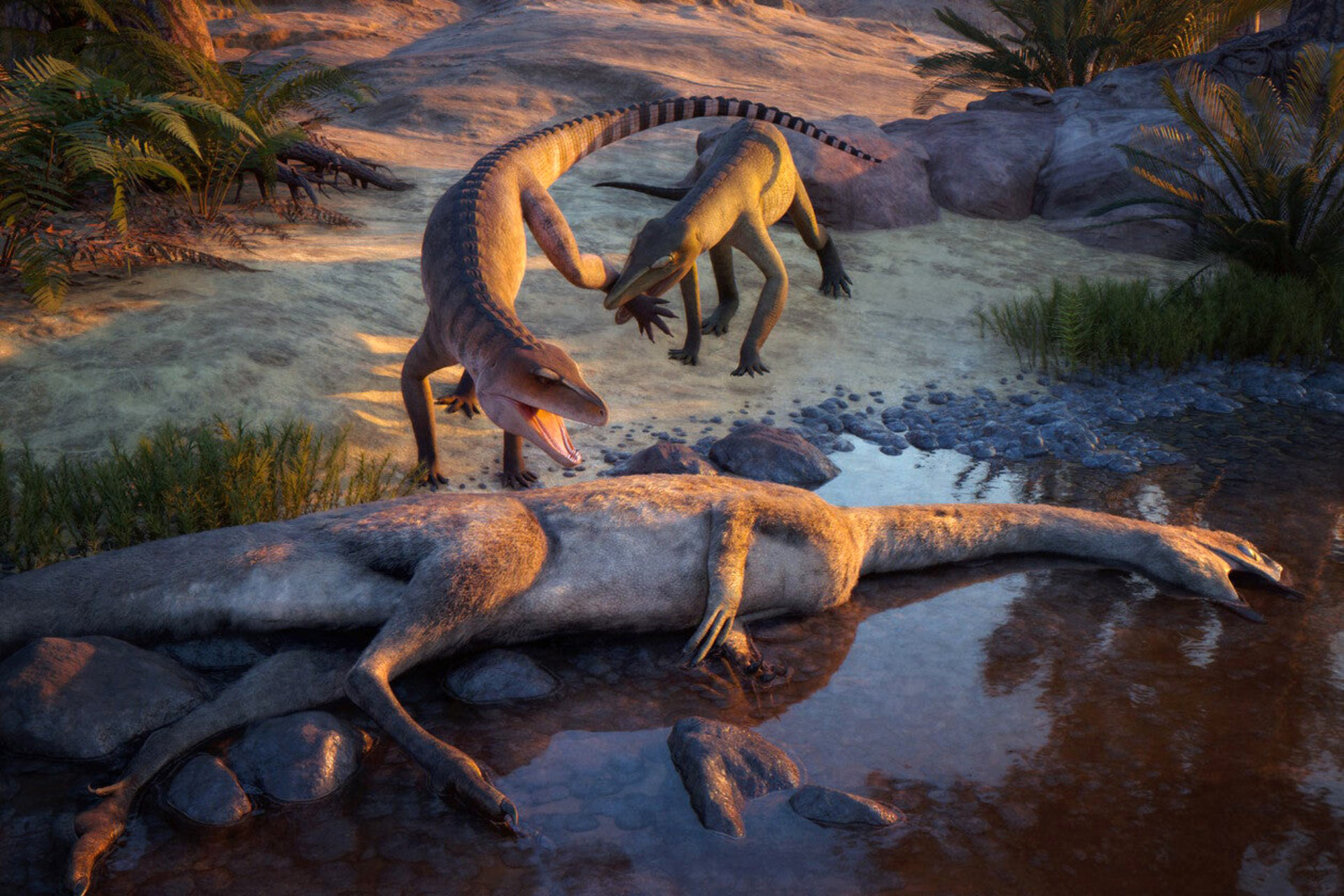
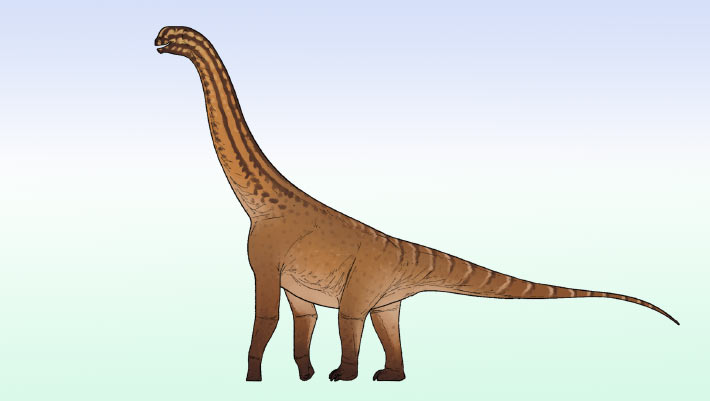
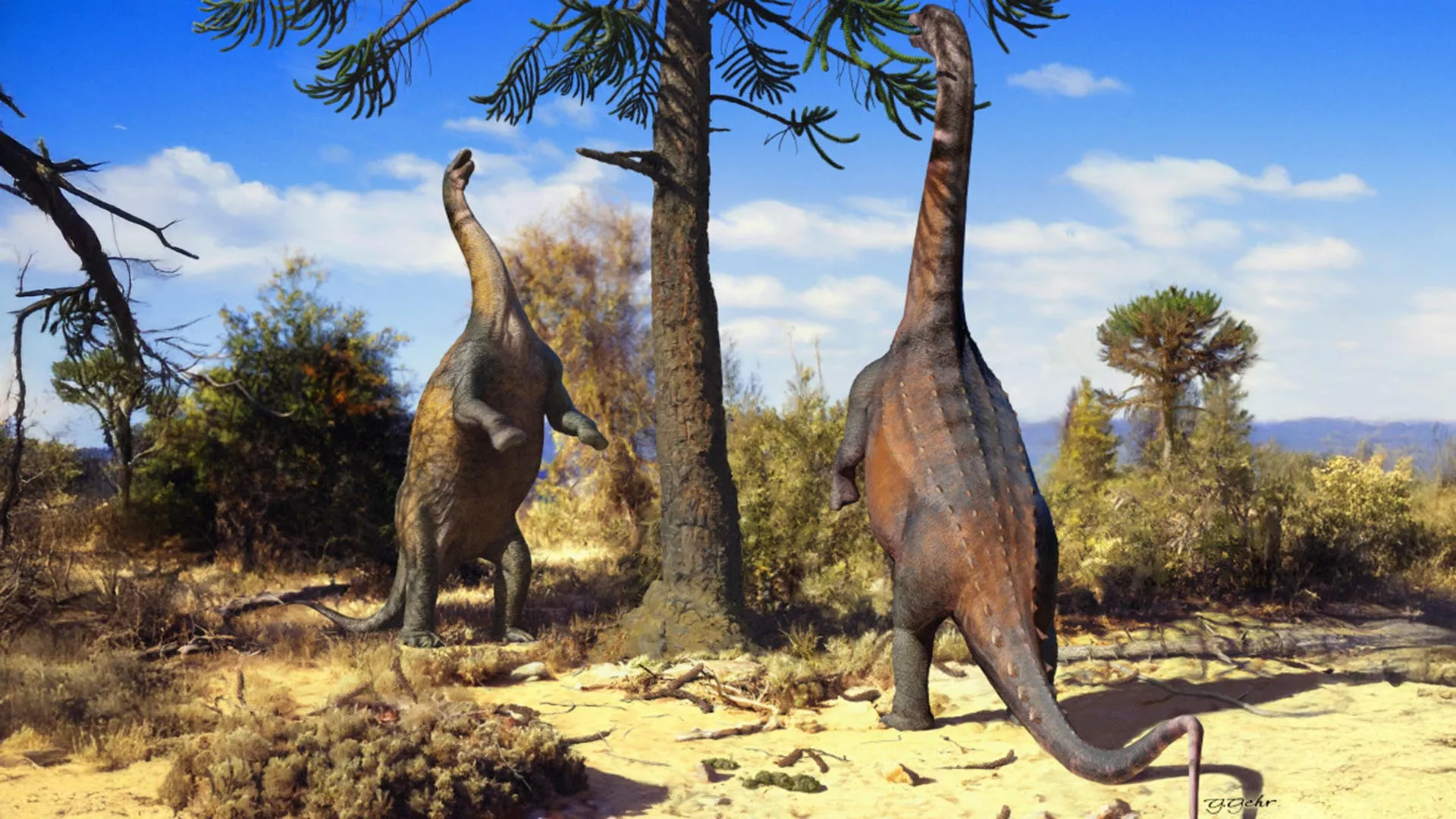
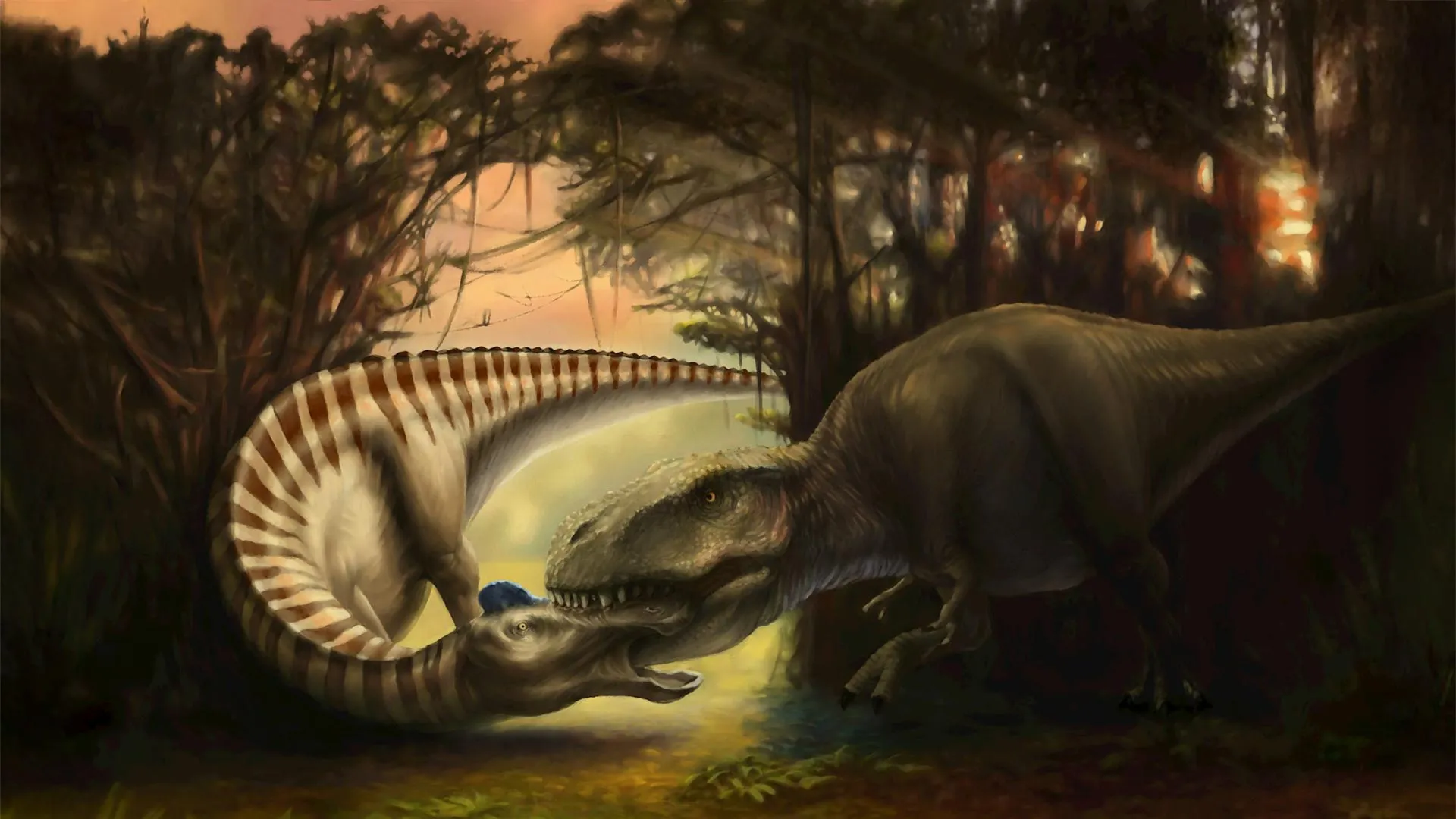
Fossils go missing from museums more often than the public imagines, and the reasons are mundane, tragic and occasionally deliberate. War has taken a heavy toll: the original Spinosaurus specimens were destroyed in a 1944 bombing raid on Munich, and parts of the early dinosaur Thecodontosaurus were lost in a 1940 raid on Bristol. In 1916 the SS Mount Temple was sunk carrying Albertan dinosaur fossils to Britain; the cargo lists are vague enough that nobody knows what went down with it. The "Peking Man" Homo erectus fossils vanished in 1941 while being moved out of China ahead of Japanese forces. Others simply crumble: Ed Cope's giant Amphicoelias fragillimus vertebra, described in 1877, was never found again after his collection was sold, and may have disintegrated on a shelf.
Sheer scale is its own hazard — London's Natural History Museum holds an estimated 80 million objects, and a misfiled specimen in a collection that size can be effectively invisible for a generation. Natural disasters do the rest: the 2011 Tōhoku earthquake and tsunami damaged fossils at the Iwaki museum in Japan, and a 2018 fire destroyed a wing of the National Museum of Brazil in Rio de Janeiro. Against that record, a pair of the largest megalodon vertebrae on Earth turning up intact, decades after they were written off, counts as a genuinely good outcome.