A Million-Year-Old Cave in New Zealand Reveals a Lost World — and a Flying Kakapo Ancestor
Fossils sealed between two volcanic ash layers near Waitomo preserve 12 bird species and four frog species, including an ancient relative of the flightless kakapo that may once have flown.
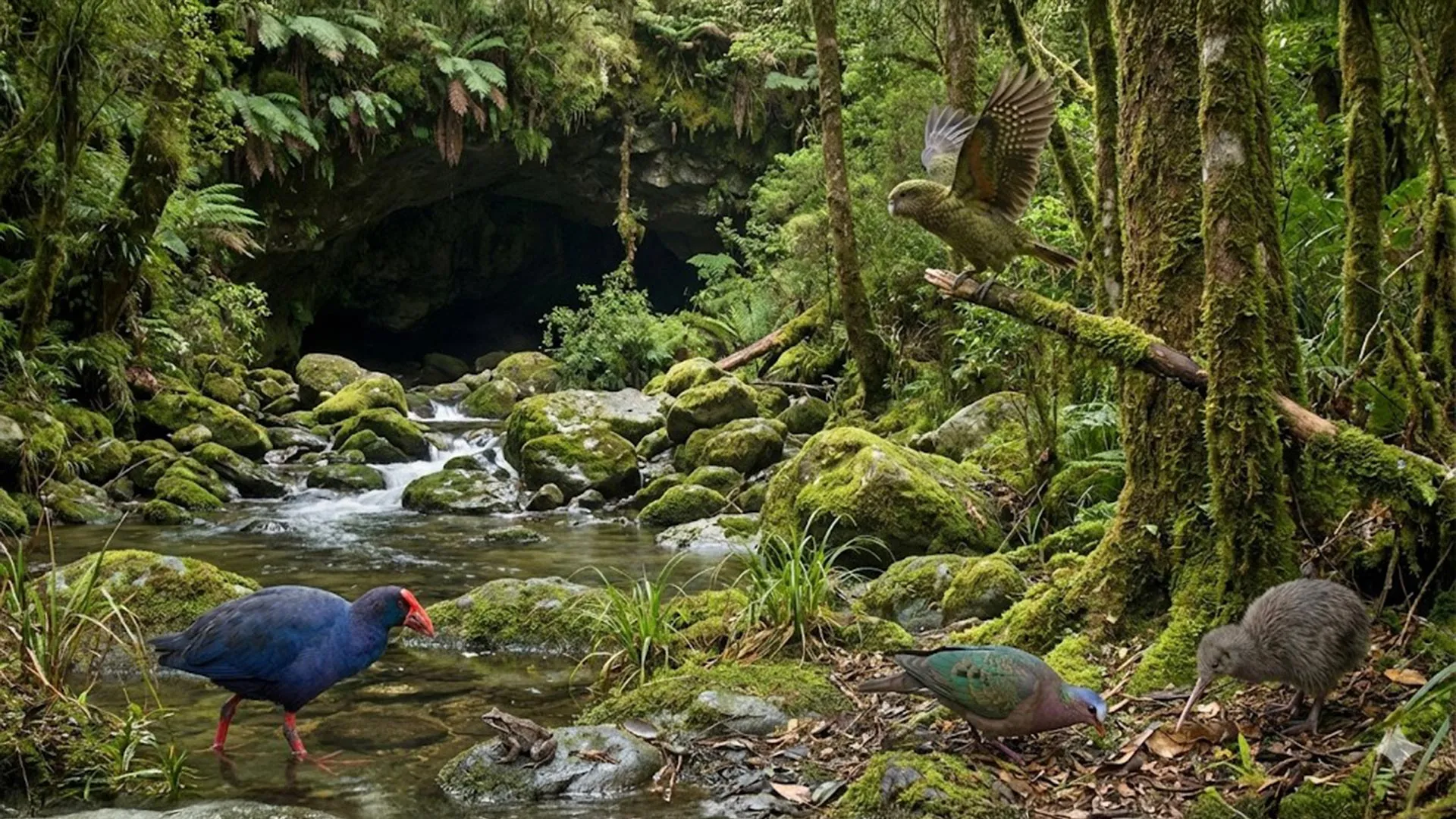
A cave near Waitomo on New Zealand's North Island has yielded an extraordinary time capsule: fossils of a lost ecosystem that flourished about a million years ago, including a previously unknown relative of the iconic kakapo that scientists believe may have been able to fly.
The trove preserves remains from 12 species of birds and four species of frogs, offering a rare and detailed snapshot of what New Zealand's animal communities looked like long before humans arrived. Such well-dated assemblages are unusual, making the find a valuable window into the country's deep evolutionary past.
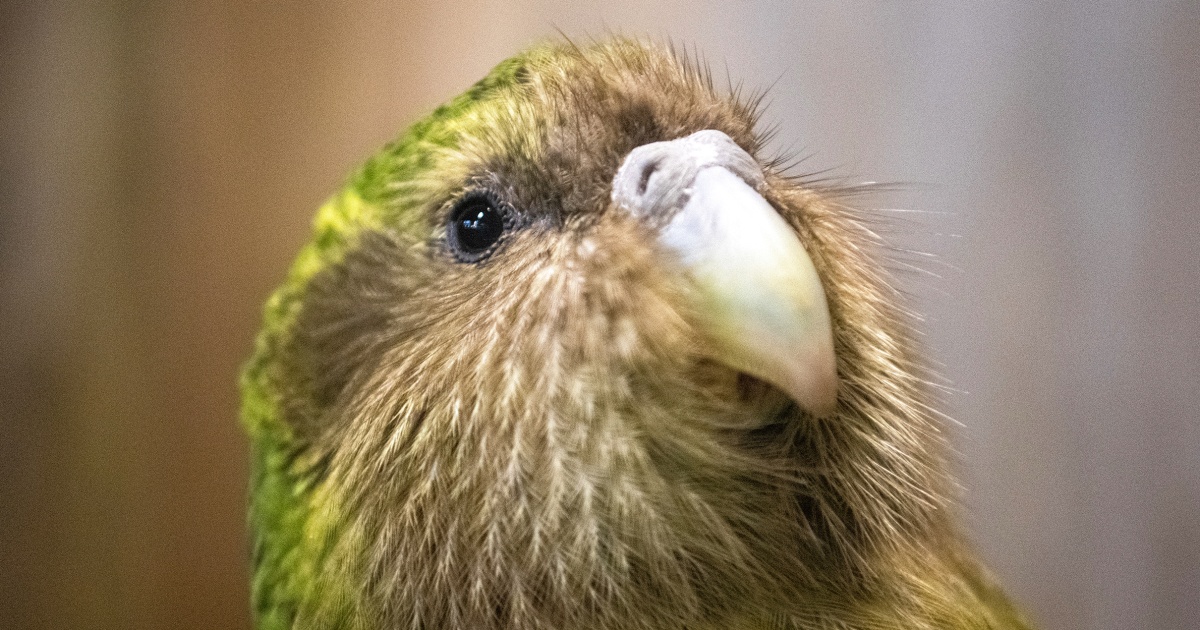
The standout discovery is a newly identified parrot, Strigops insulaborealis, an ancient cousin of the modern kakapo. Today's kakapo is a heavy, ground-dwelling, flightless bird — one of the world's rarest parrots and the focus of intensive conservation efforts. Its million-year-old relative, by contrast, appears to have retained the ability to fly, hinting that flightlessness in the lineage evolved more recently than once assumed.
What makes the fossils so scientifically powerful is their precise dating. The remains are sandwiched between two layers of volcanic ash: an older deposit from an eruption about 1.55 million years ago and a younger layer from a massive volcanic event roughly one million years in the past. That geological bracketing lets researchers pin the ecosystem to a narrow window of time with unusual confidence.
The picture that emerges is of a landscape in flux. The fossils suggest that volcanic eruptions and climate upheaval were already reshaping New Zealand's wildlife and driving species to extinction hundreds of thousands of years before people set foot on the islands. It is a reminder that the dramatic losses often associated with human arrival had deep natural precedents.
For scientists, the Waitomo cave is both a discovery and a promise of more to come, as similar sites could hold further clues to how New Zealand's famously strange fauna came to be. In plain terms, researchers cracked open a million-year-old underground vault and found a vanished world of birds and frogs — including a parrot that may have flown long before its flightless descendants ever walked the forest floor.
The site also underscores how much of New Zealand's evolutionary history remains hidden underground, waiting to be read. Caves act as natural traps and archives, sheltering delicate bones that would otherwise erode away, and the precise volcanic dating at Waitomo turns this particular deposit into something close to a calendar of past life. Researchers say continued excavation could reveal still more species and help reconstruct how an isolated island world repeatedly reinvented itself in the face of fire and climate.