The Tea You Brew Decides How Healthy Your Kombucha Is, Chemists Find
A new study comparing kombucha made from black, green, white, oolong and pu-erh teas found that green and oolong versions pack the strongest antioxidant punch.
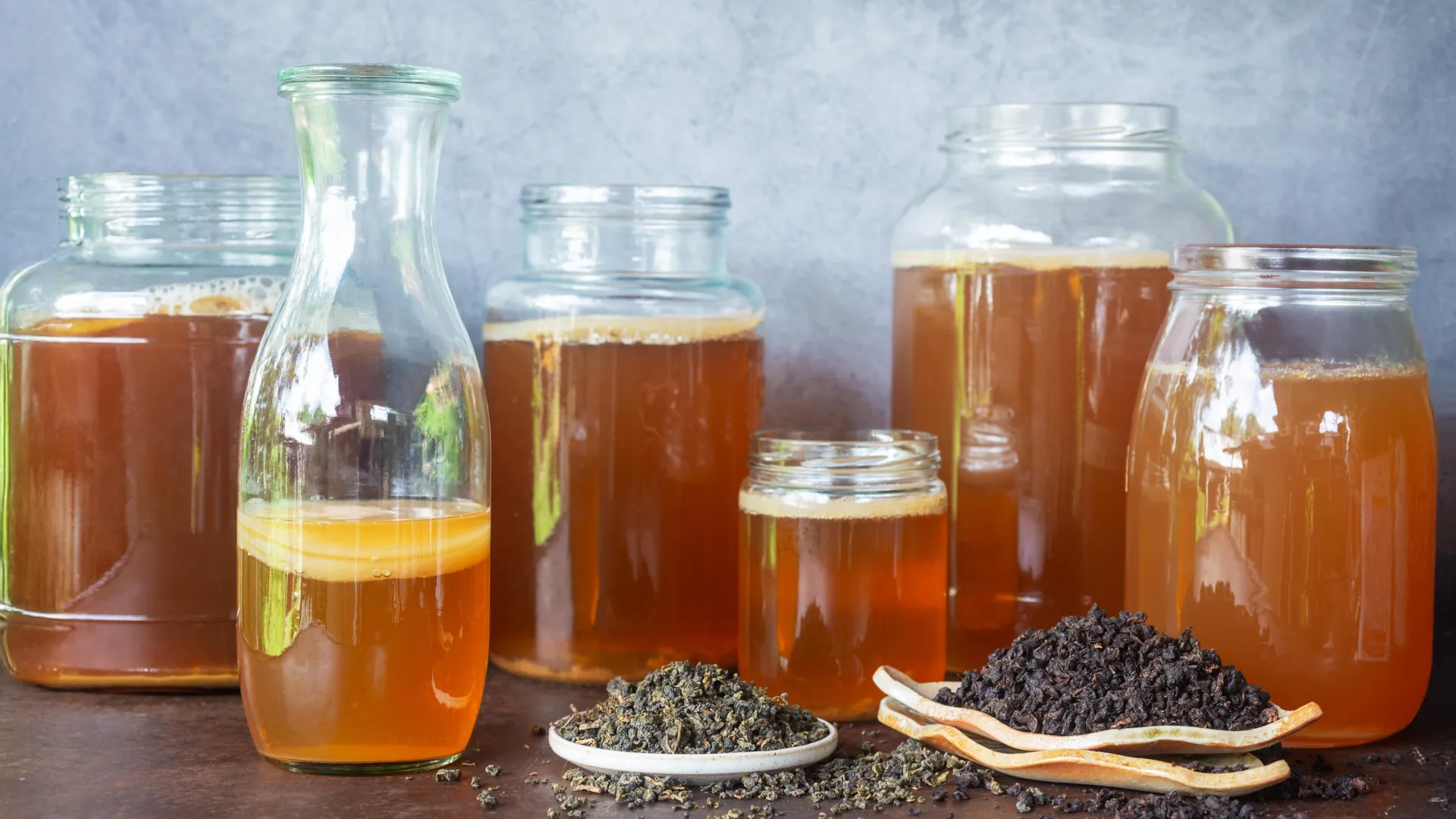
The fizzy, tangy fermented drink known as kombucha has built a devoted following on the promise of gut-friendly bacteria and antioxidants. Now chemists report that one choice matters more than almost any other in determining how healthful the final brew really is: the type of tea you start with.
In a study published in the journal Food Chemistry, researchers compared kombuchas fermented from black, green, white, oolong and pu-erh teas, then measured how each differed in flavor, chemical makeup and antioxidant activity. The differences, they found, were dramatic. Far from being interchangeable, each tea produced a distinctly different beverage once the fermentation was complete.
Kombuchas made from green tea and oolong tea stood out, demonstrating the strongest antioxidant activity and the greatest capacity to neutralize free radicals — the reactive molecules implicated in cellular damage and aging. Those two emerged as the most biologically active of the group, while the other teas yielded brews with notably different chemical profiles.
The key, the researchers explain, is that the tea acts as a kind of chemical scaffold for the fermentation itself. The specific mix of compounds in each tea shapes how the microbial culture — the colony of bacteria and yeast that drives fermentation — transforms the liquid, and therefore what ends up in the glass. In other words, the starting leaf doesn't just season the drink; it steers the entire biochemical process.
The work was carried out by scientists from the Wrocław University of Environmental and Life Sciences and Wroclaw Medical University in Poland and published on June 21, 2026. While the team stops short of making sweeping health claims, the findings give consumers and producers a concrete lever to pull: choosing green or oolong tea as the base appears to favor a more antioxidant-rich result.
Kombucha's popularity has turned it into a multibillion-dollar global market, and studies like this one help separate marketing from measurable chemistry. In plain terms, not all kombucha is created equal — and if antioxidant content is what you're after, the science suggests brewing it from green or oolong tea is your best bet.
The researchers caution that antioxidant activity measured in the lab does not automatically translate into health benefits in the body, where digestion and metabolism complicate the picture. Still, the study offers a rare, systematic comparison of a drink that is often marketed with broad wellness claims but rarely scrutinized side by side. By isolating the tea itself as the decisive variable, the work gives both home brewers and commercial producers a clear, evidence-based starting point for crafting a more potent batch.