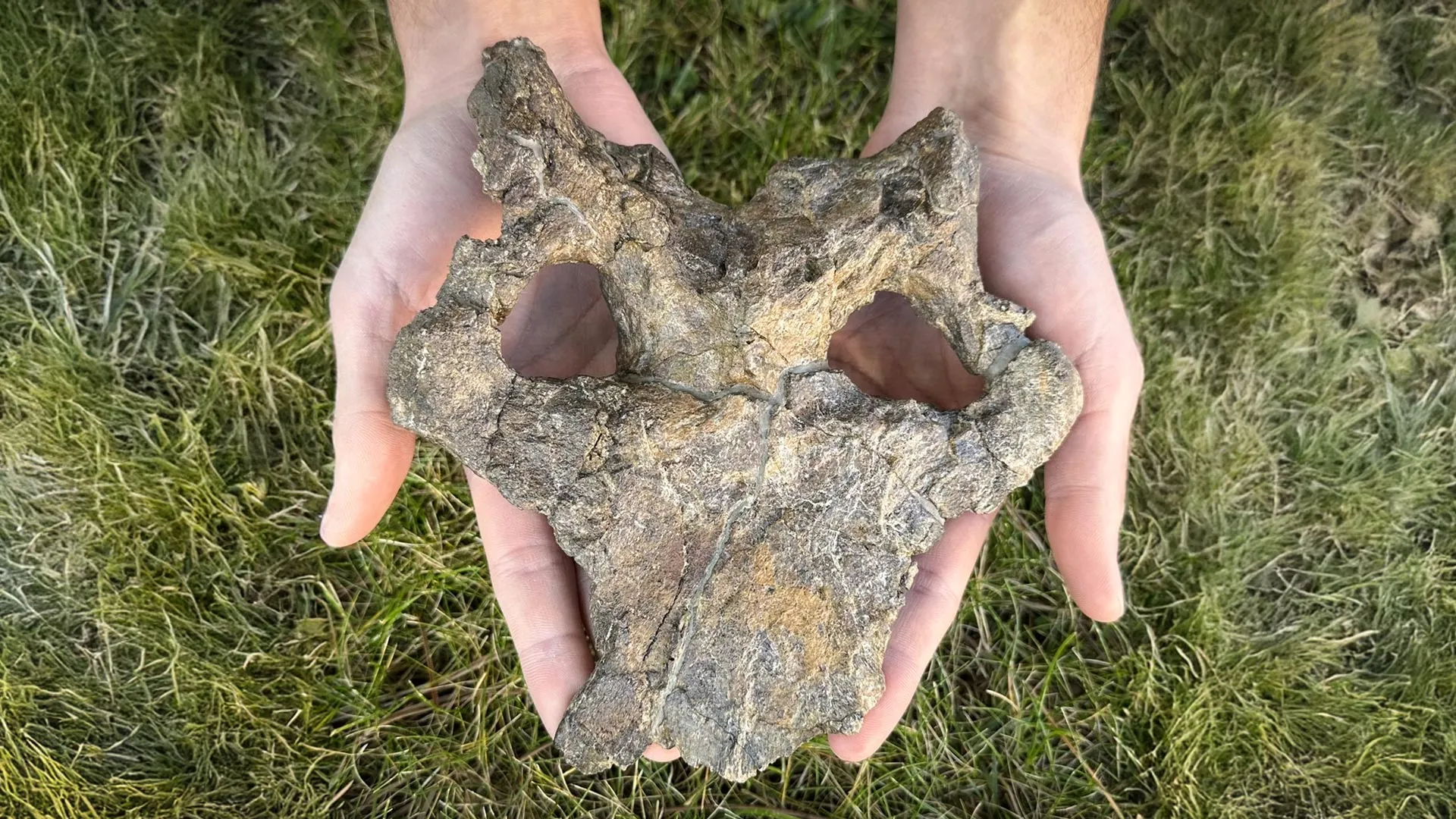
T. Rex Was a Slow Grower, Taking About 40 Years to Reach Full Size, Study Finds
By reading growth rings in 17 tyrannosaur specimens, researchers nearly doubled the dinosaur's estimated growth timeline — and found that some famous 'T. rex' fossils may not be T. rex at all.
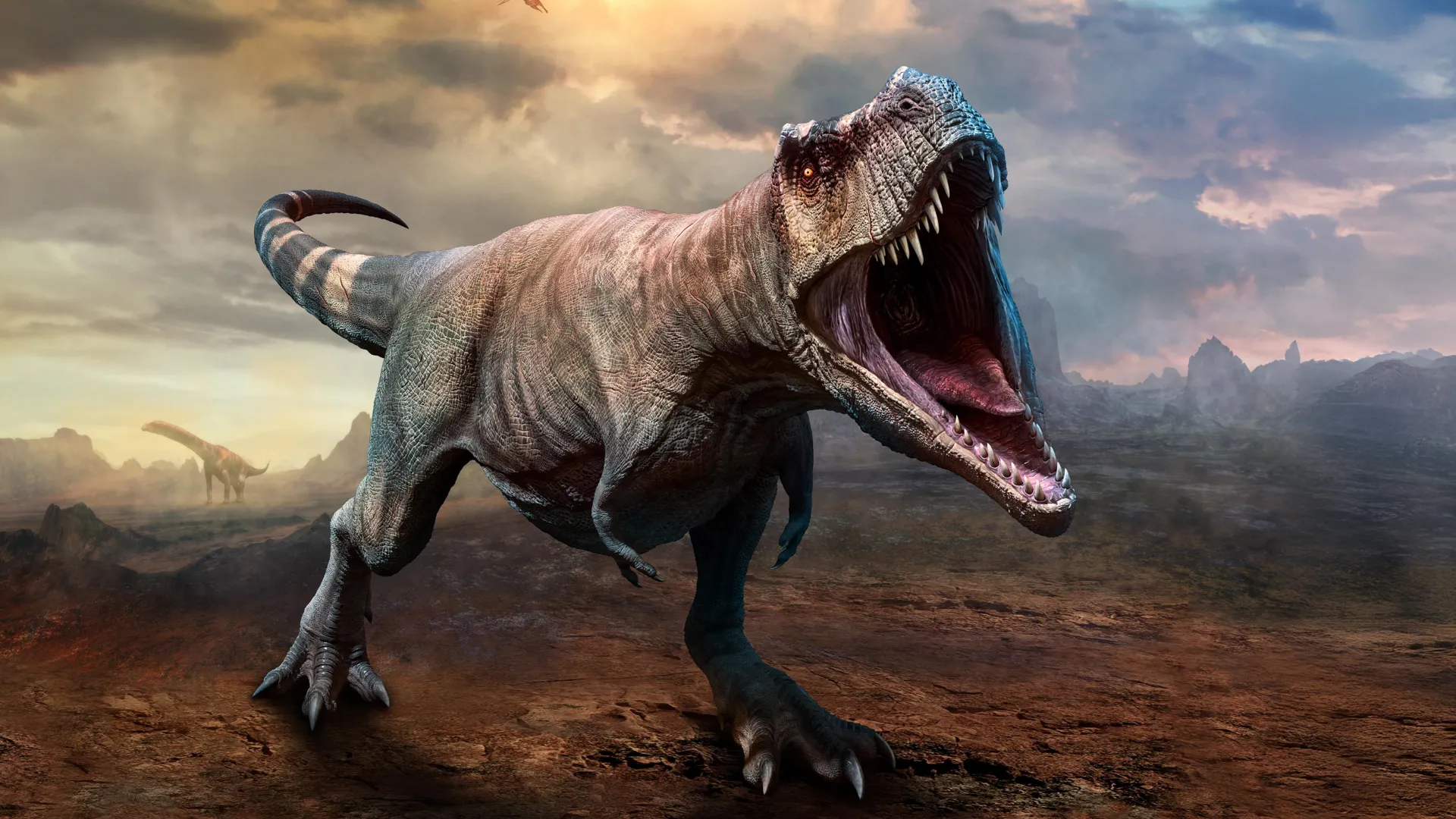
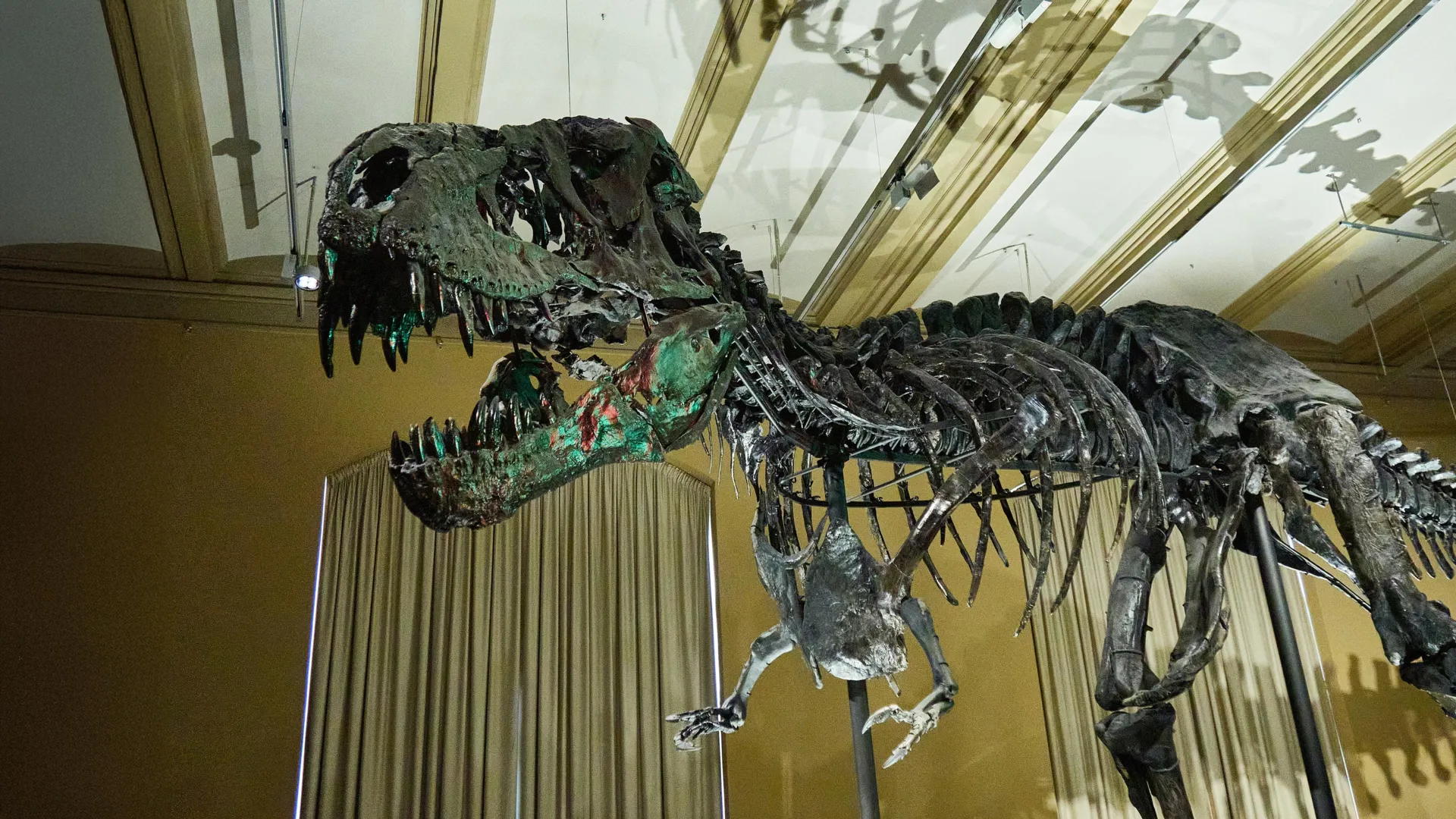
Tyrannosaurus rex may have been a far slower grower than scientists realized, taking roughly 40 years to reach its full size of around eight tons rather than the 25 years long assumed, according to a new study. The finding extends the predator's growth timeline by about 15 years and reshapes how researchers picture the life of the most famous dinosaur of all.
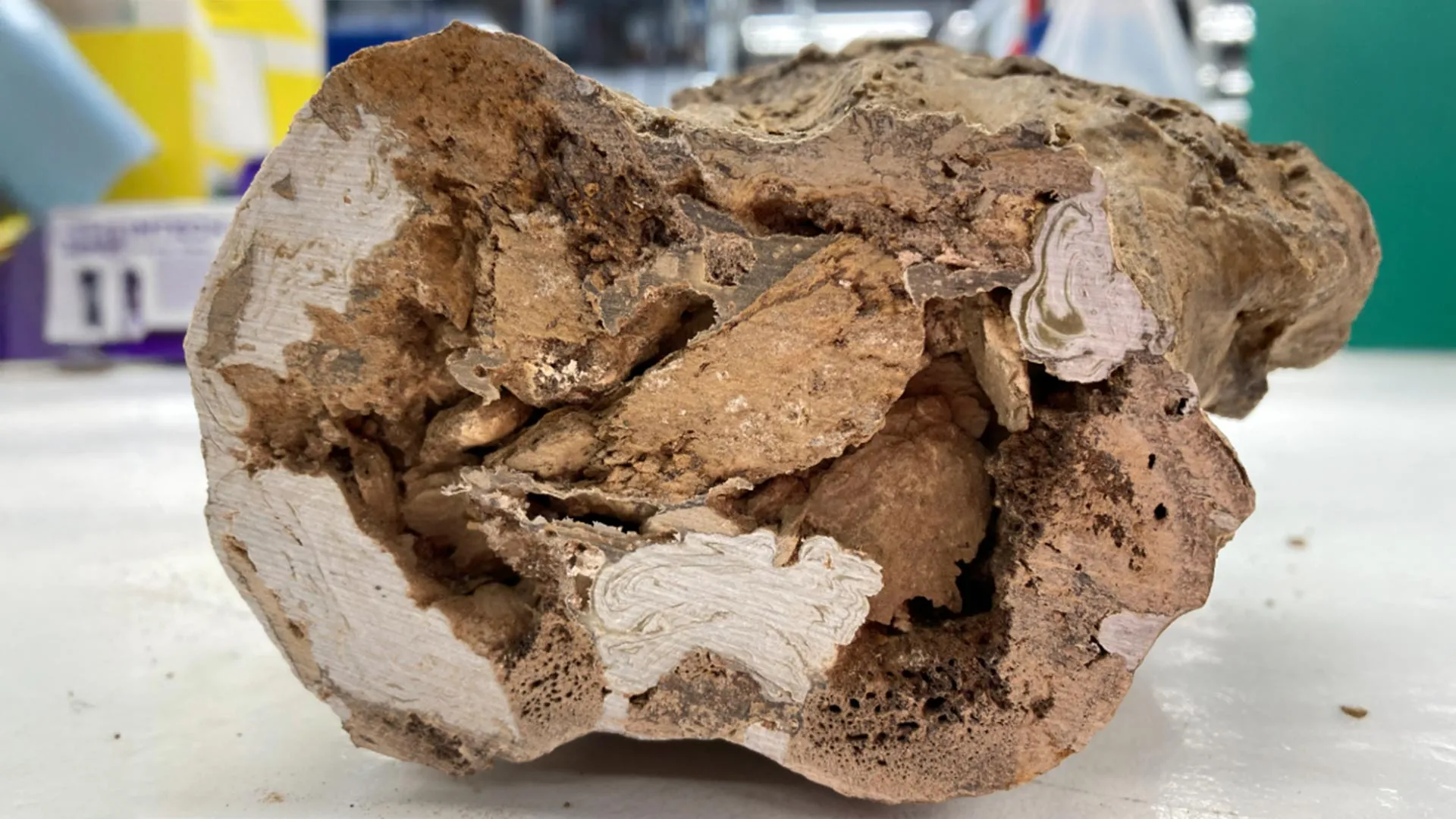
The conclusion comes from an analysis of growth rings preserved in fossilized leg bones from 17 tyrannosaur specimens — one of the largest such samples ever assembled for the species. Like the rings of a tree, these annual bands record how fast an animal grew year by year, and reading them across many individuals let the team reconstruct the dinosaur's growth curve with new precision.
Researchers at Oklahoma State University, Chapman University and Intellectual Ventures combined traditional bone analysis with new statistical methods and a novel imaging technique that uses polarized light to reveal previously hidden growth rings. Those faint inner bands, easy to miss with standard methods, suggested that T. rex kept growing for many more years than earlier studies had captured, with an extended period of subadult development before reaching full adult bulk.
The work, published in the journal PeerJ under the title "Prolonged growth and extended subadult development in the Tyrannosaurus rex species complex revealed by expanded histological sampling and statistical modeling," carries a provocative second conclusion. The team's analysis indicates that some specimens long catalogued as T. rex may not belong to the species at all, hinting at greater diversity within the tyrannosaur family tree than the textbooks reflect.
A slower growth rate has broad implications for how paleontologists interpret the animal's biology — from how long juveniles remained vulnerable to predators and rivals, to how the species allocated energy between growing and reproducing. A dinosaur that needed four decades to reach maturity would have spent much of its life as a smaller, faster subadult, a stage that may have filled a different ecological role than the towering adults that dominate museum halls.
The study also underscores how much remains uncertain about even the best-studied dinosaur. By expanding the sample and sharpening the methods, the researchers argue, the field can move beyond estimates built on a handful of skeletons — and confront the possibility that some long-held assumptions about T. rex, including which fossils are truly T. rex, deserve a fresh look.