Fossil Teeth From a Thai Coal Mine Reveal a 66-Pound Rodent That Lived 34 Million Years Ago
Yakamys sirindhornae, about twice the size of its known rivals, suggests giant rodents evolved earlier, and in Southeast Asia, than scientists believed.
Topic
22 stories from Planck Standard. Latest: November 11, 2026.

Yakamys sirindhornae, about twice the size of its known rivals, suggests giant rodents evolved earlier, and in Southeast Asia, than scientists believed.

A team rebuilt the Jebel Irhoud skull from fossil fragments using mostly open-source software. His estimated brain size falls well within the range of men alive today.

Kayrasaurus changliensis stretched more than 11 feet and packed over 77 tiny teeth into its jaws, making it the largest therizinosaur yet found in the Early Cretaceous Jehol Biota.

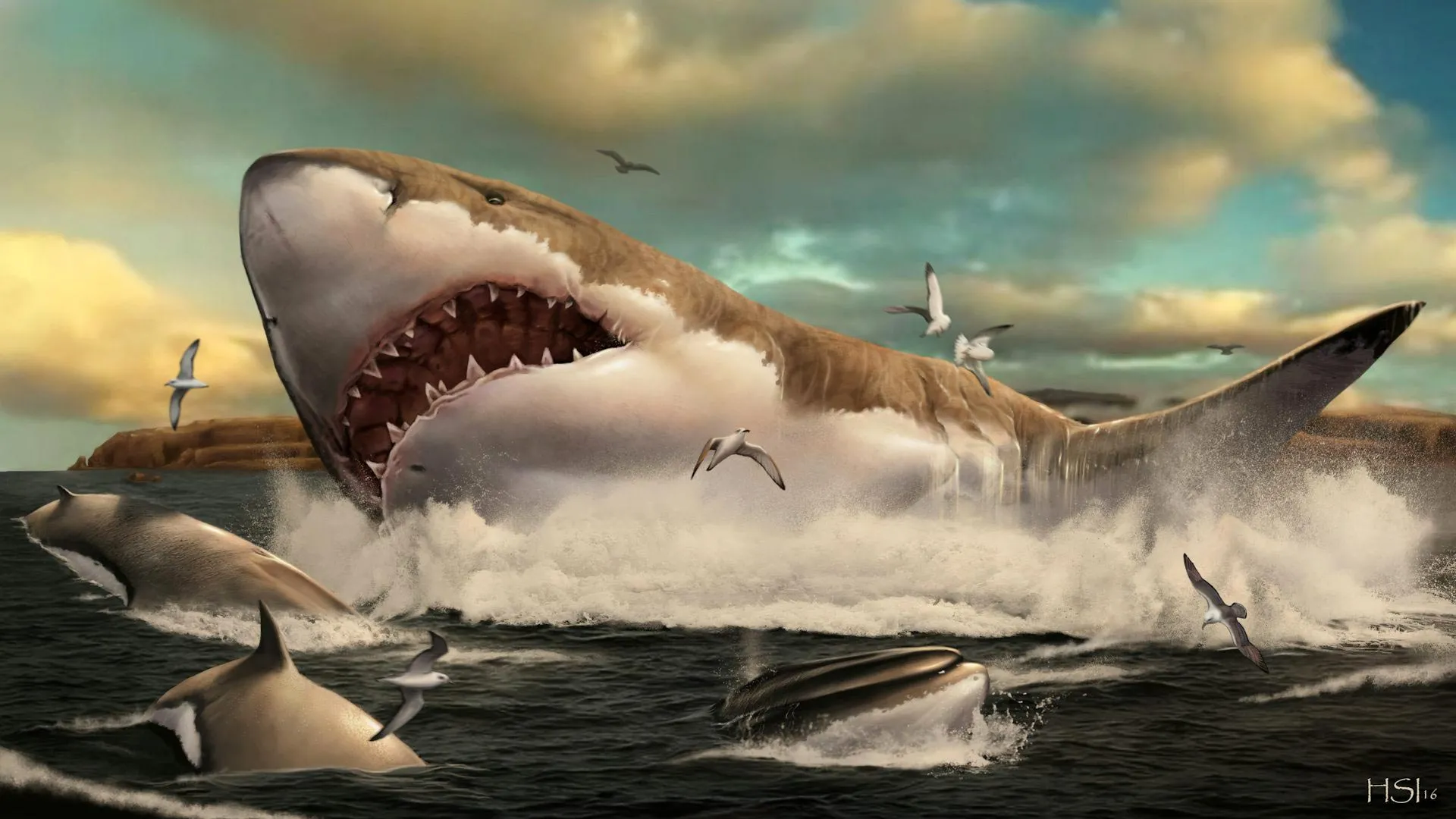
Rediscovered vertebrae from a single 11-million-year-old shark in Denmark support a length beyond 79 feet — and suggest its pups were born 12 feet long.

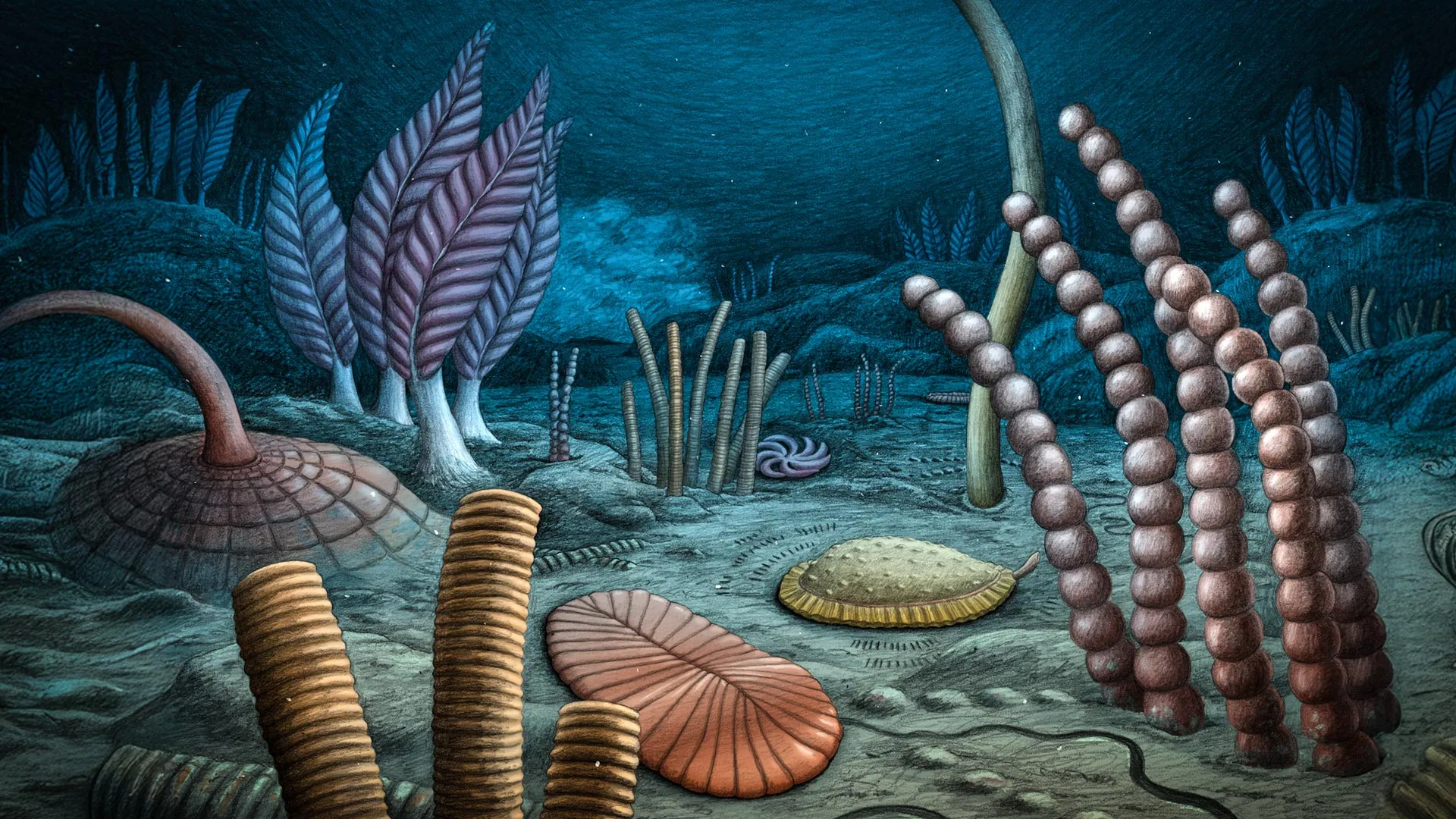
More than 100 specimens dated to 567 million years ago include six groups never before found in North America, and evidence that early animals moved, reproduced sexually and built recognizable body plans earlier than thought.

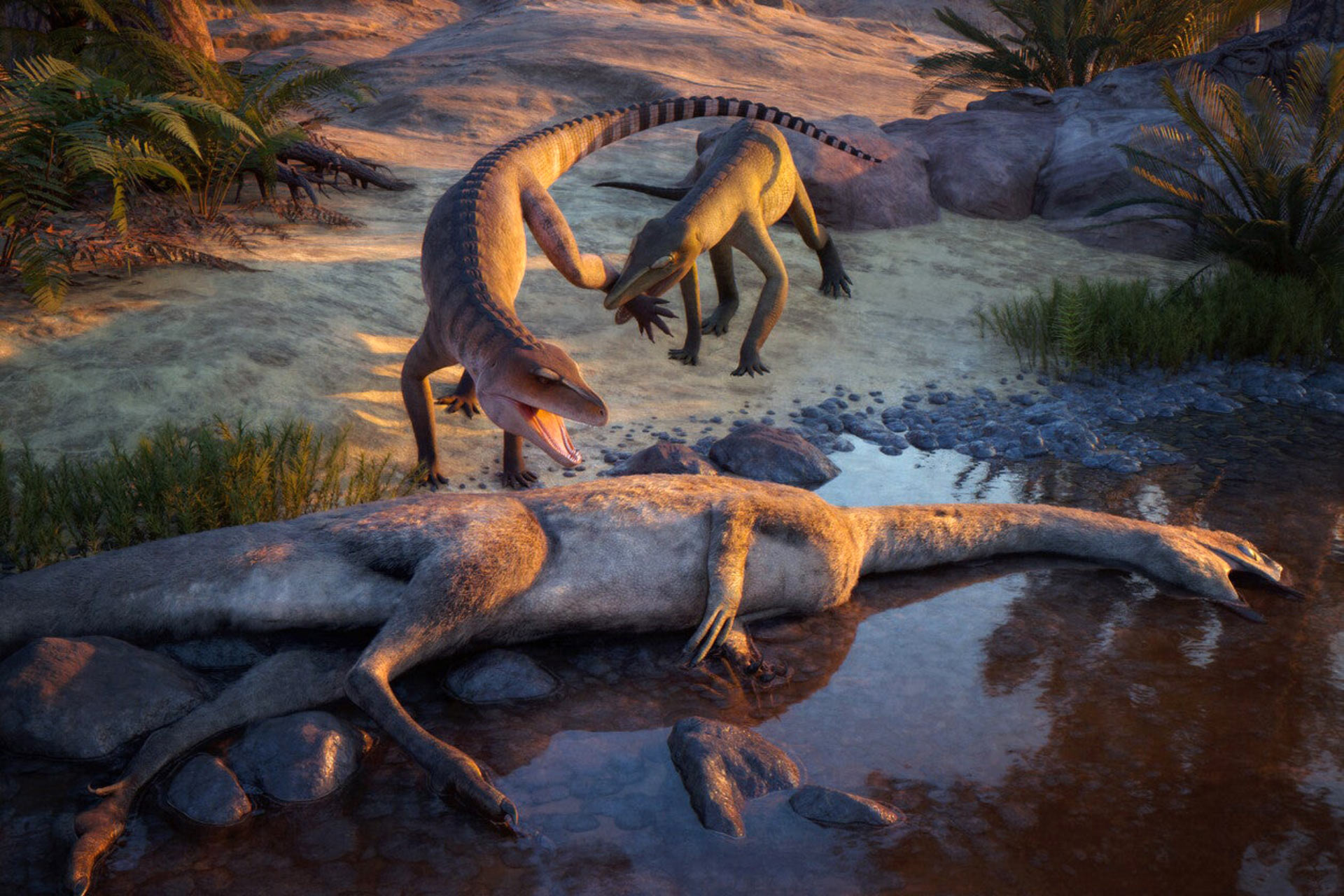
Yale researchers identified Eosphorosuchus lacrimosa, a jackal-sized crocodile relative from 210 million years ago with a short snout and a skull built for crushing.

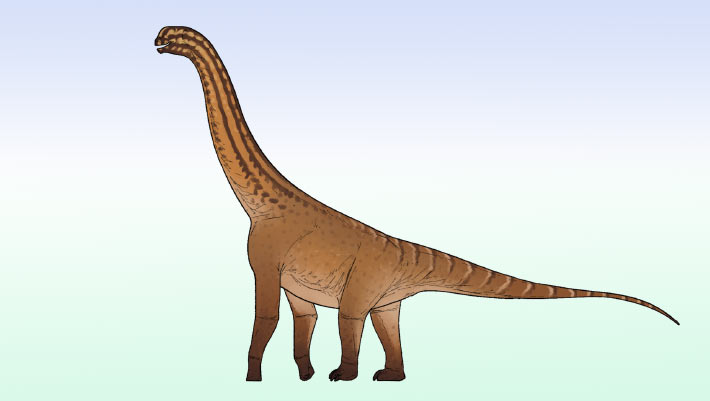
The 23-foot dinosaur, pieced together from more than 180 bone fragments in Gujarat, pushes the origins of a lineage that later produced titans like Brachiosaurus back by tens of millions of years.

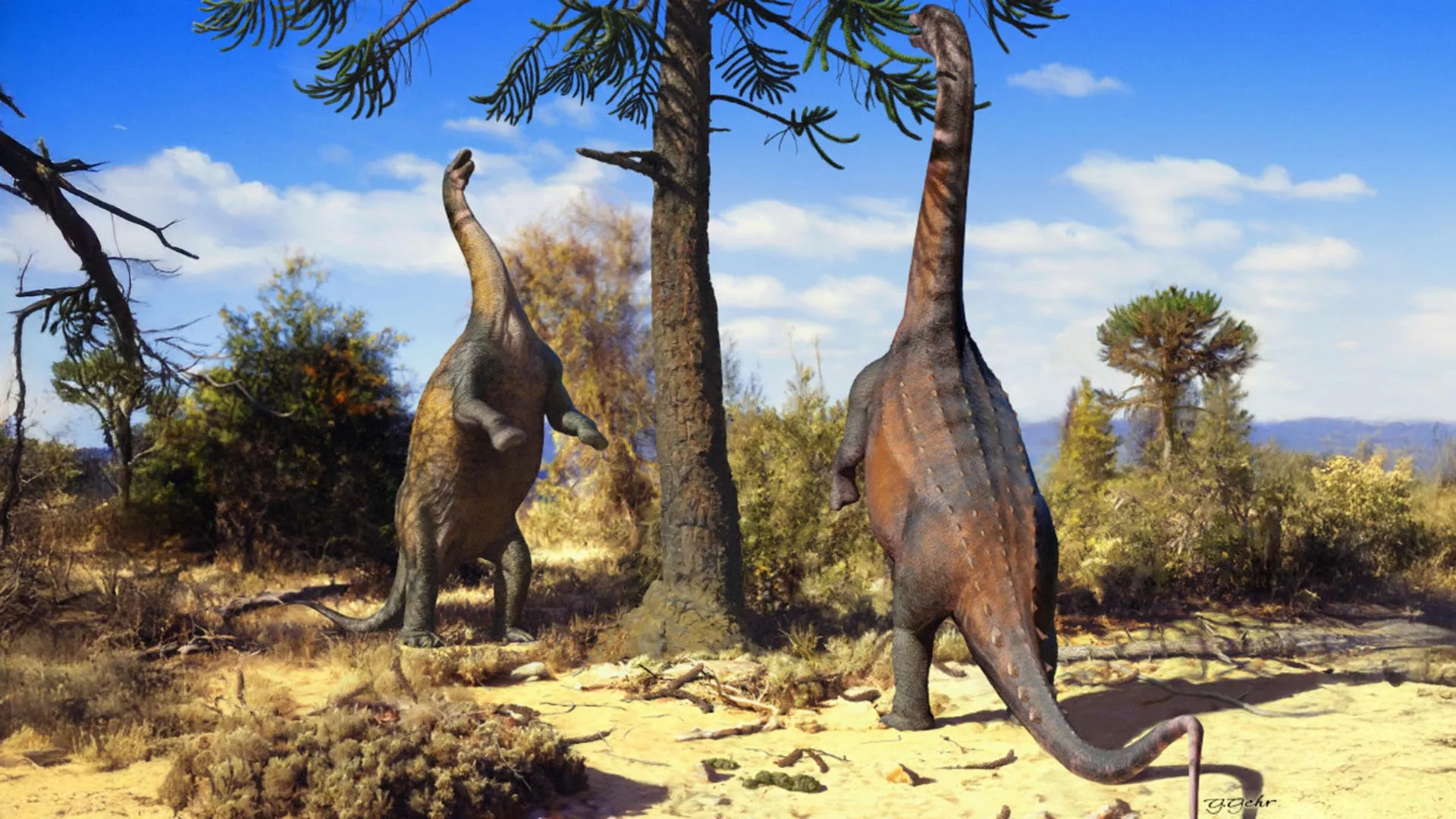
A computer analysis of sauropod thigh bones shows young Uberabatitan and Neuquensaurus could stand on their hind legs with surprisingly little strain.

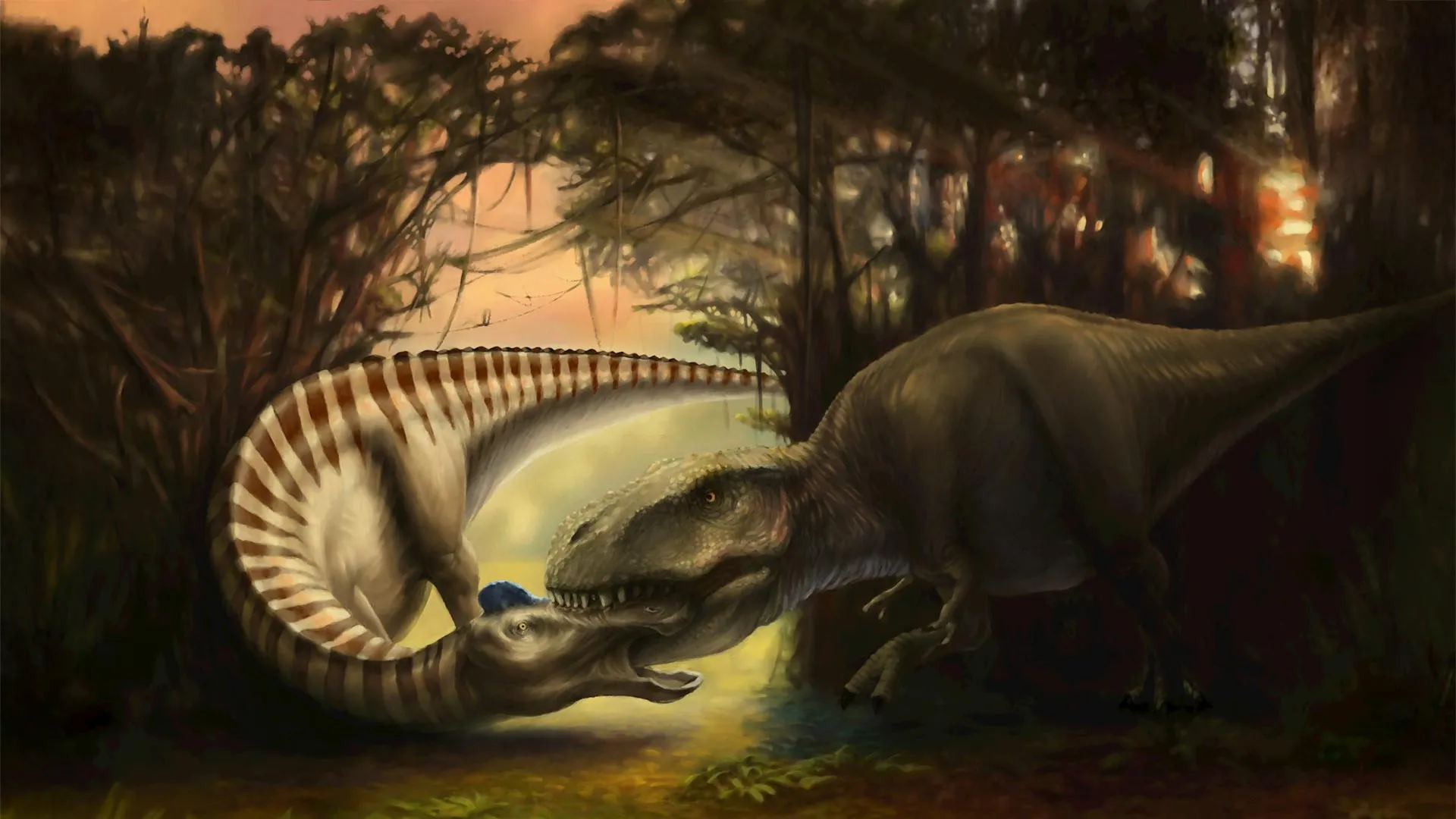
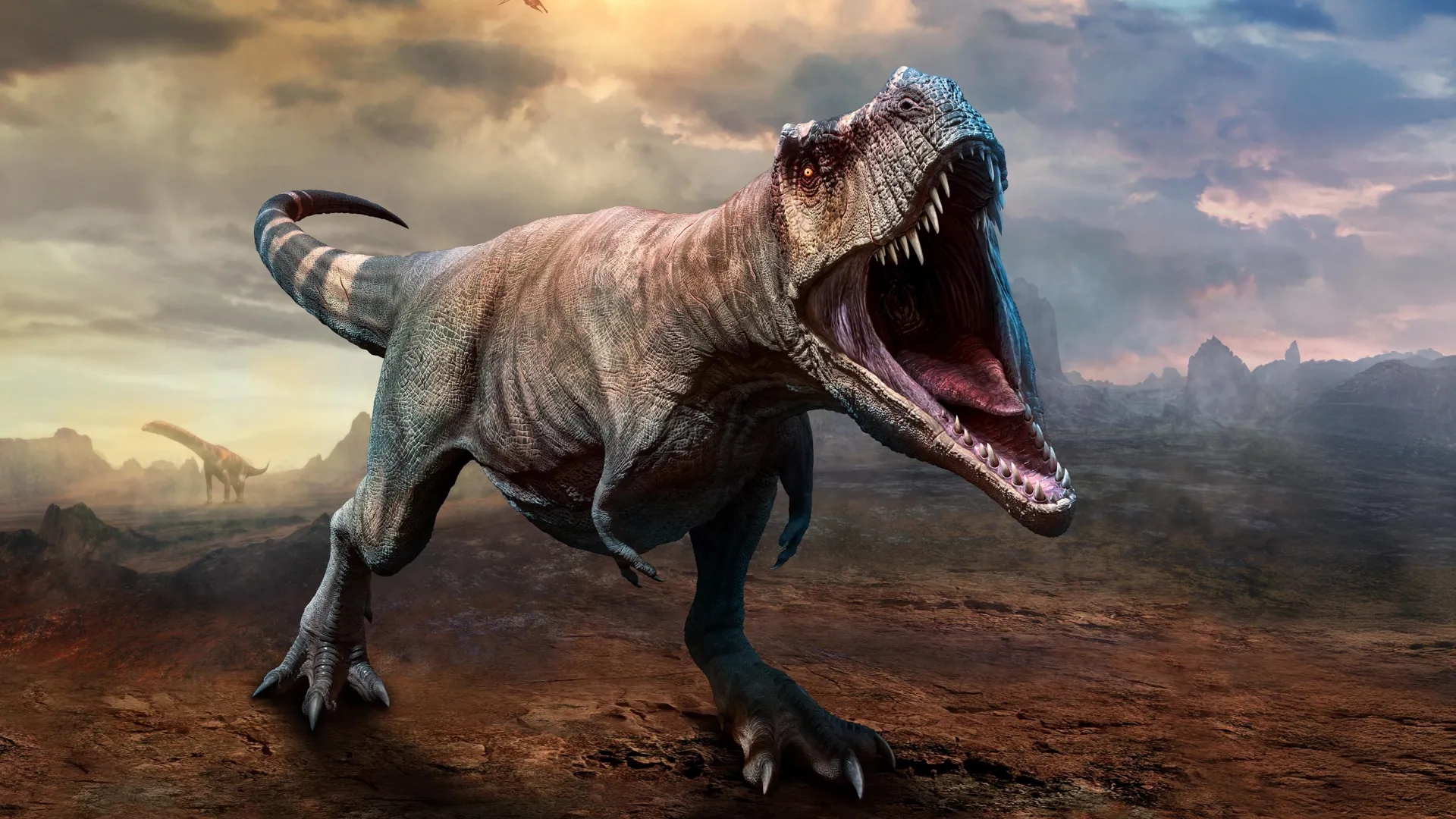
A duck-billed Edmontosaurus skull from Montana still carries the broken tooth of its attacker — rare, direct evidence of how the tyrant king hunted.
A new analysis of bones from an Indonesian cave suggests Homo floresiensis neither hunted big game nor controlled fire, deepening the mystery of its origins.

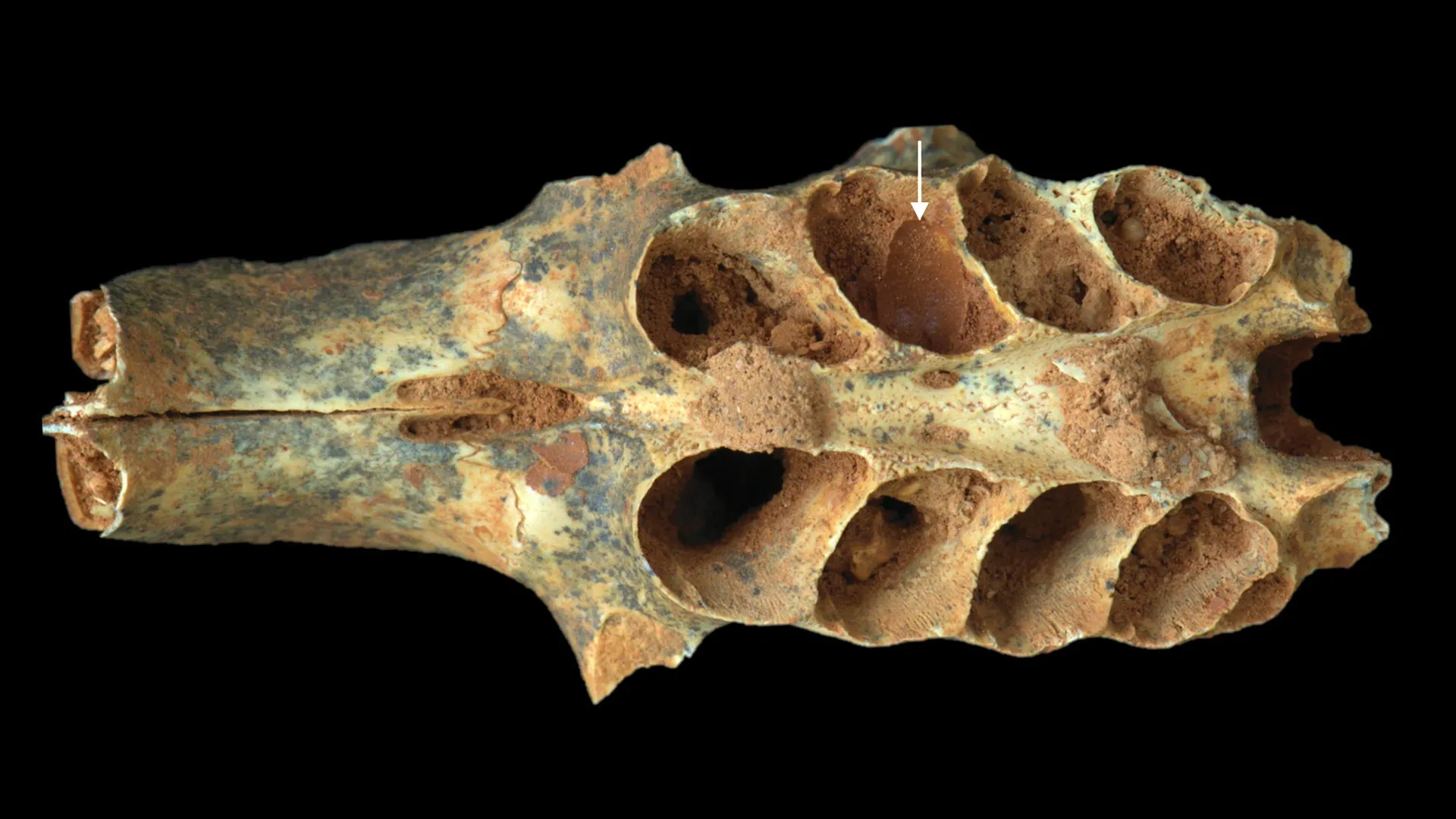
On the island of Hispaniola, scientists found the first known evidence of ancient bees nesting inside the empty tooth sockets of mammal jawbones scattered across a cave floor by owls.

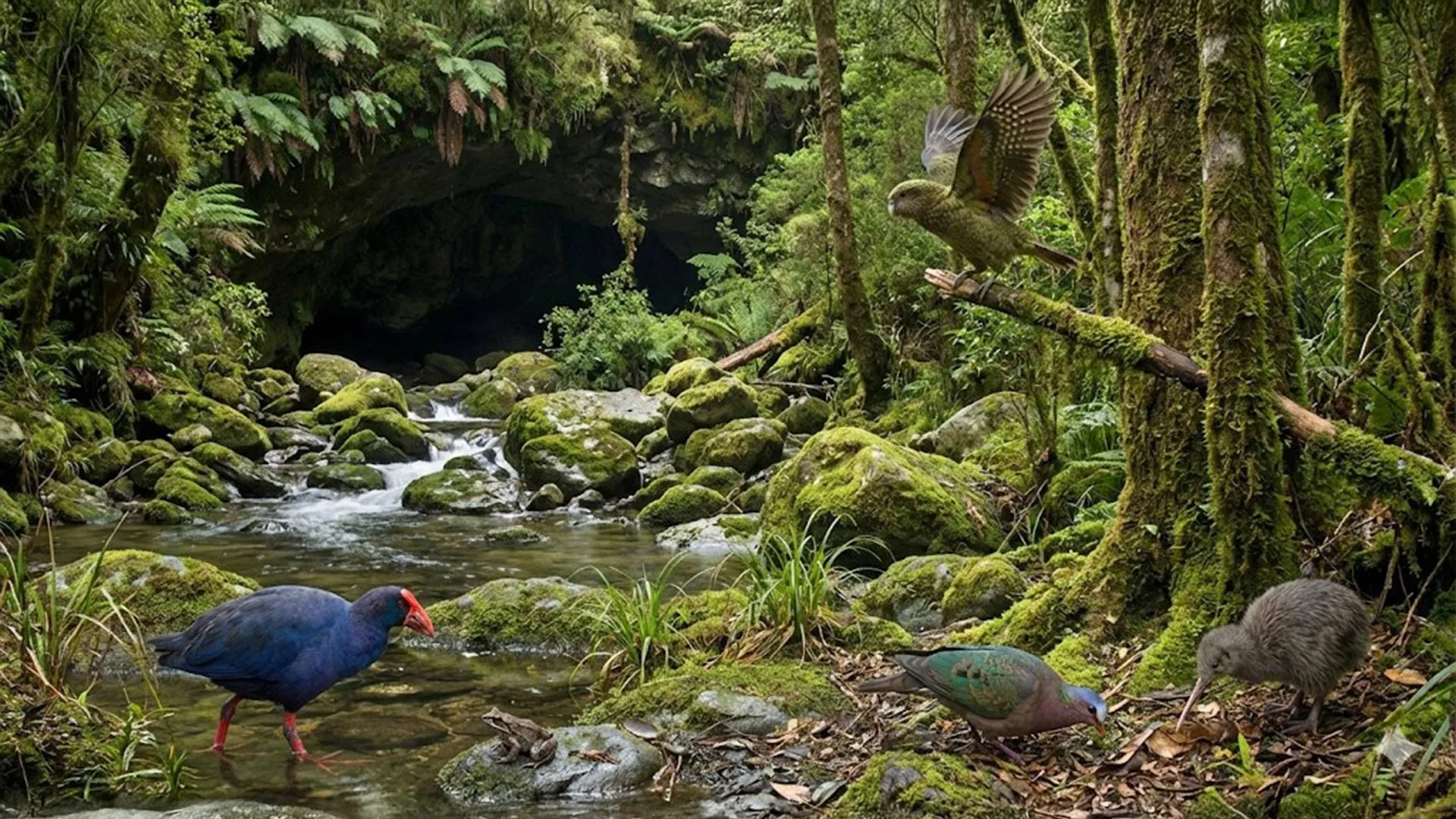
Fossils sealed between two volcanic ash layers near Waitomo preserve 12 bird species and four frog species, including an ancient relative of the flightless kakapo that may once have flown.

By reading growth rings in 17 tyrannosaur specimens, researchers nearly doubled the dinosaur's estimated growth timeline — and found that some famous 'T. rex' fossils may not be T. rex at all.

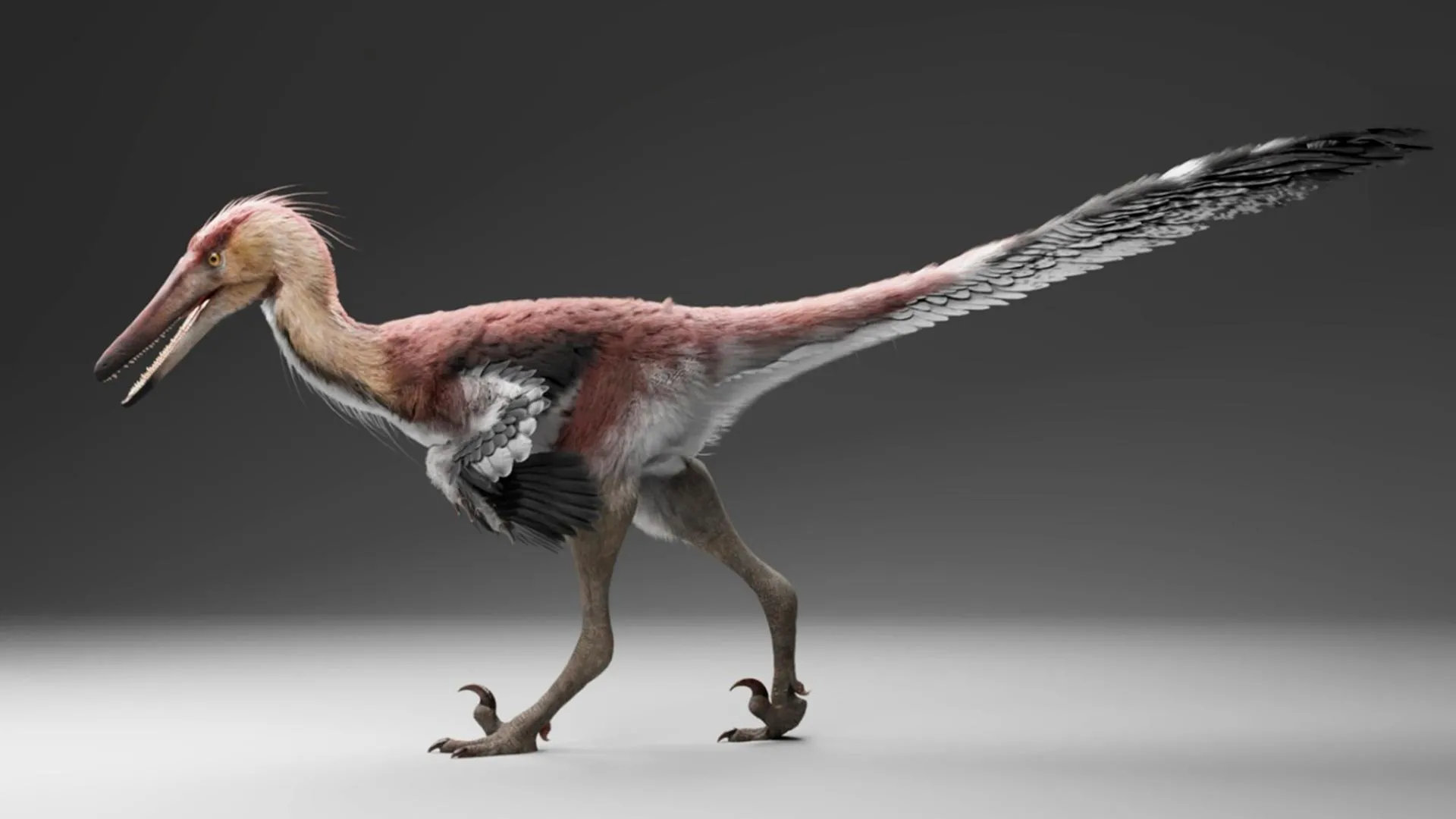
The 70-million-year-old dinosaur paired a raptor's sickle claw with a long, flexible neck, revealing a fish-eating lifestyle unusual for its family of predators.

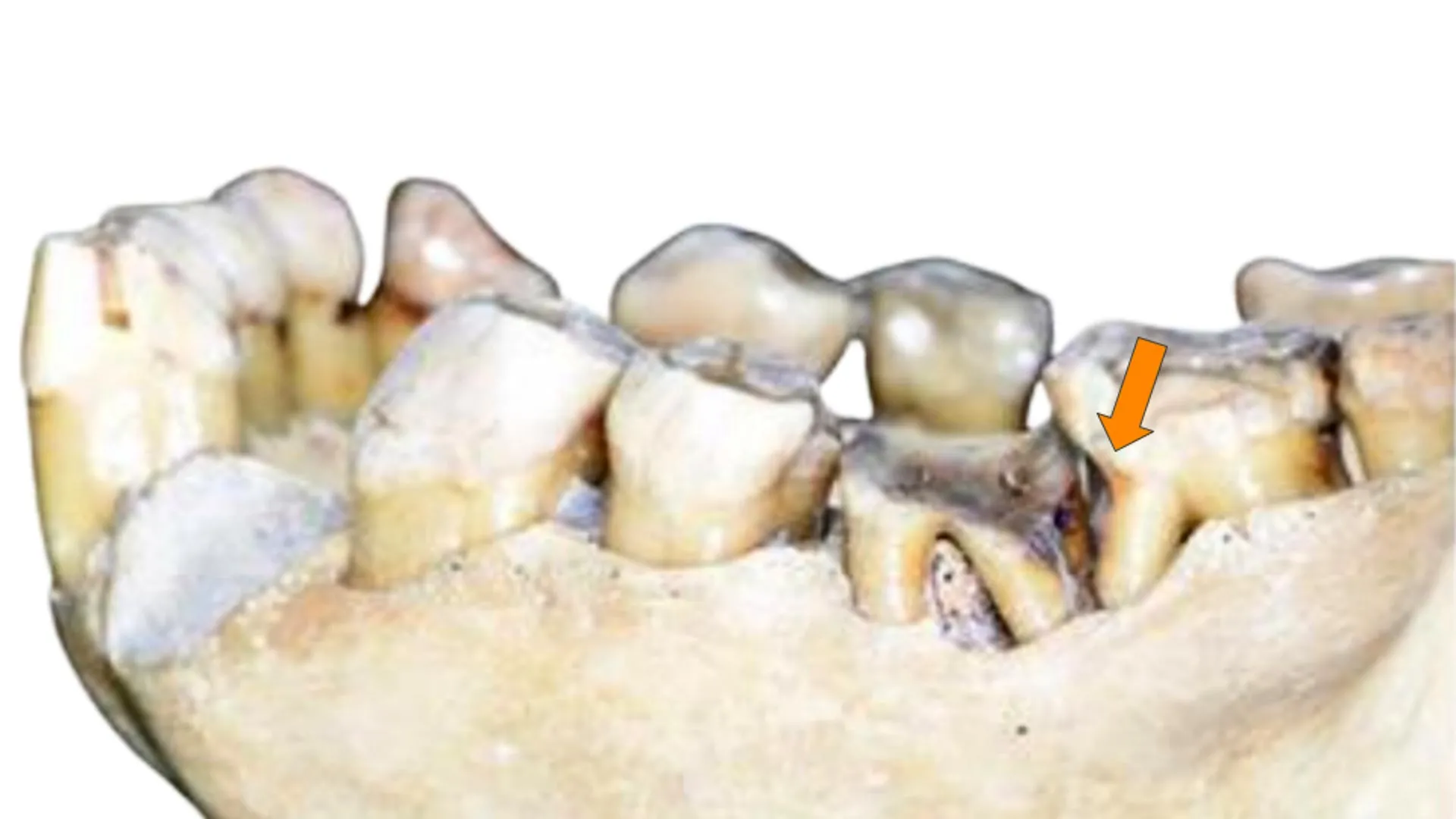
A study of more than 500 teeth from 27 wild primate species finds the same telltale grooves in apes that never use tools — undercutting a century-old assumption about early human behavior.

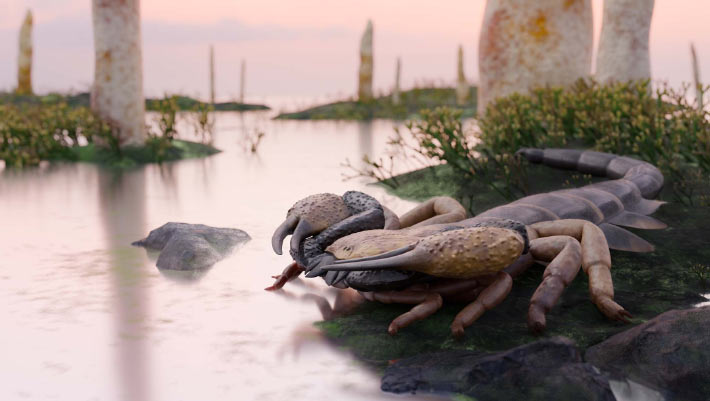
Newly identified as Praearcturus gigas, the giant was among the first large predators to stalk the land — armed with 16-centimeter pincers.

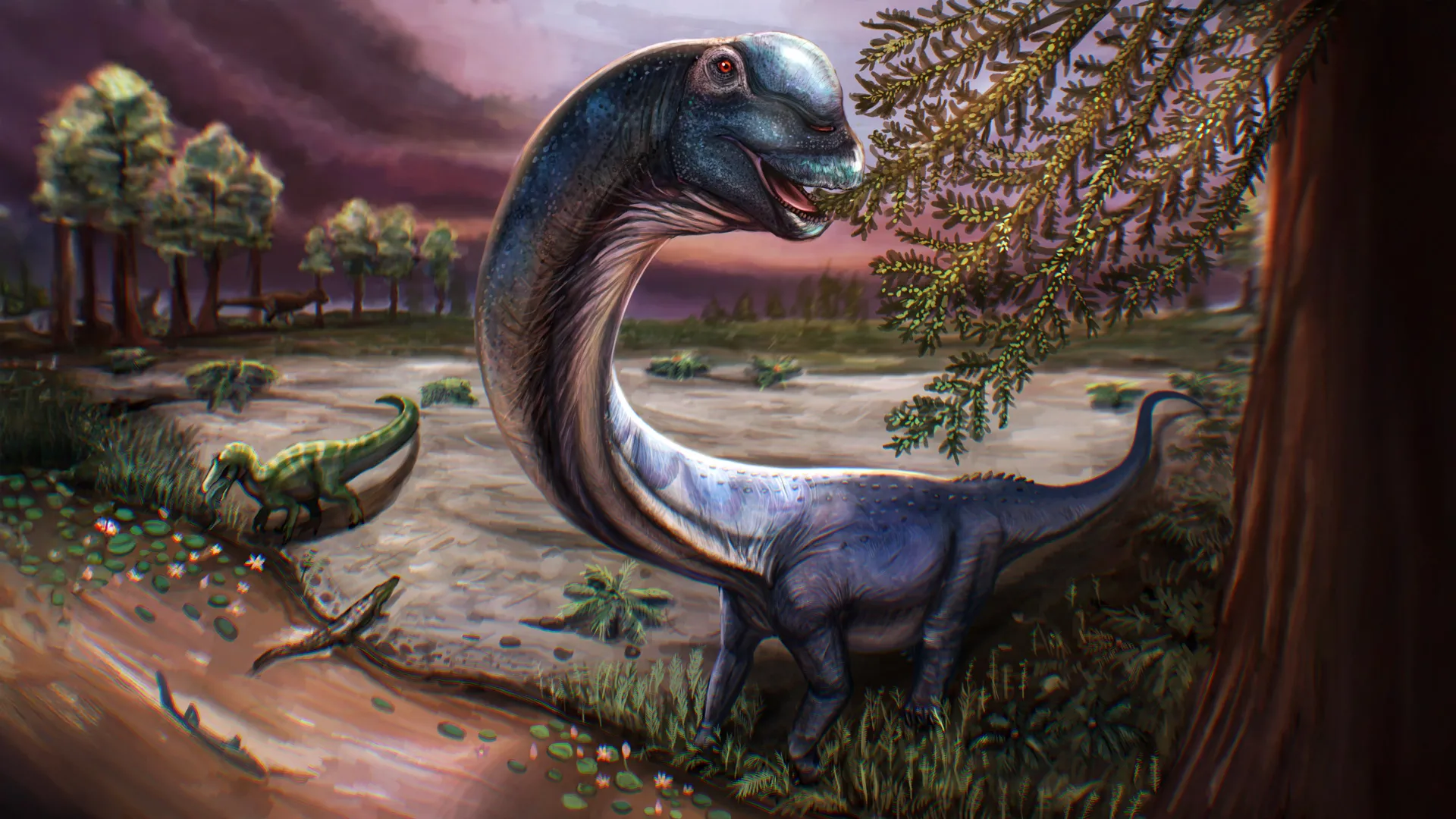
Nagatitan chaiyaphumensis weighed 27 tonnes and may be Southeast Asia's final giant sauropod before seas transformed the region.

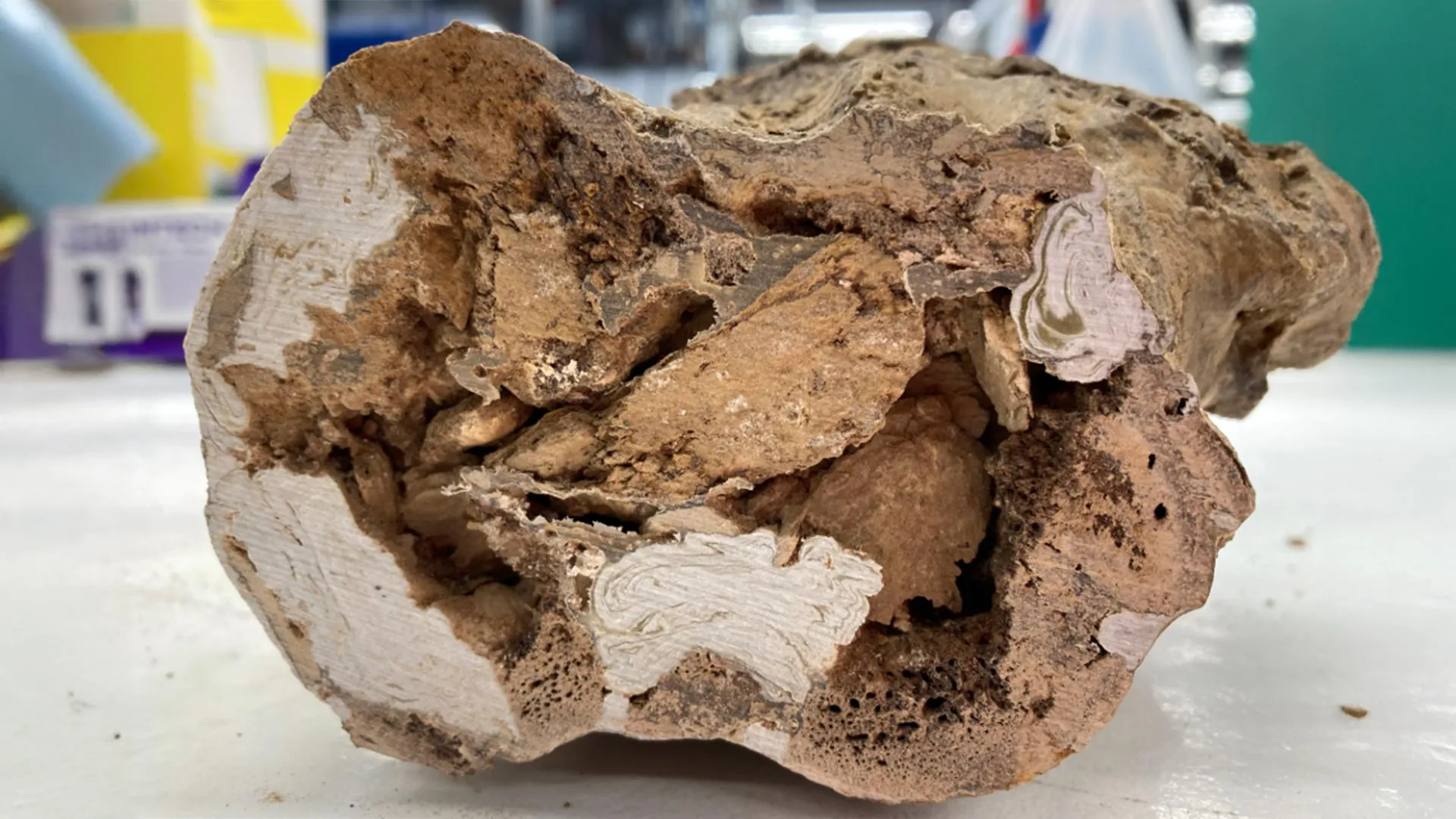
Scientists find compelling evidence that Edmontosaurus fossil retains original collagen proteins, overturning long-held beliefs about fossilization.

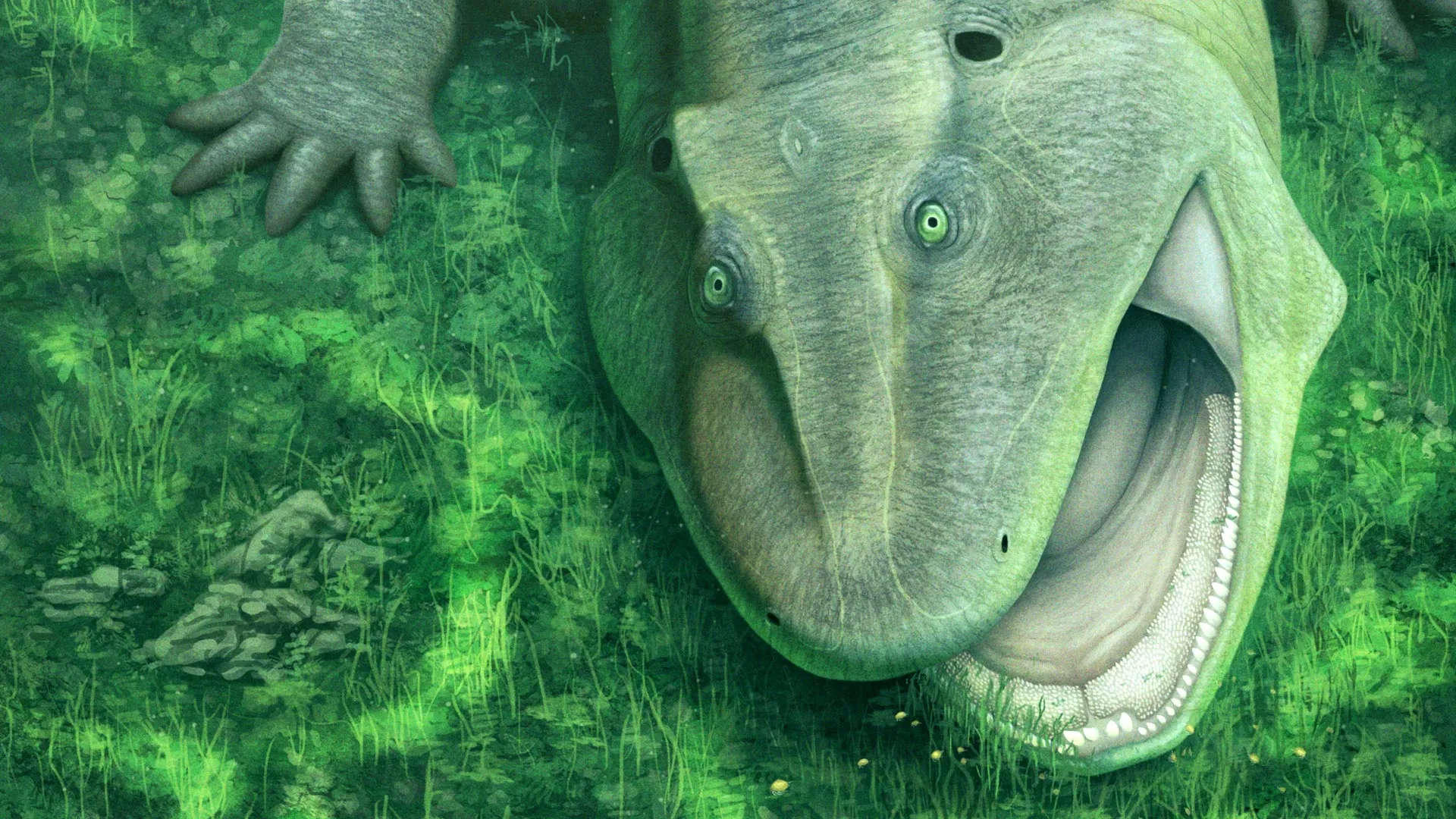
Tanyka amnicola belonged to an ancient lineage that was already a 'living fossil' in its time, featuring unusual jaw structure with sideways-pointing teeth.

Tanyka amnicola, discovered in Brazilian riverbed, was a 'living fossil' even in its own time with unique sideways-pointing teeth for grinding plants.

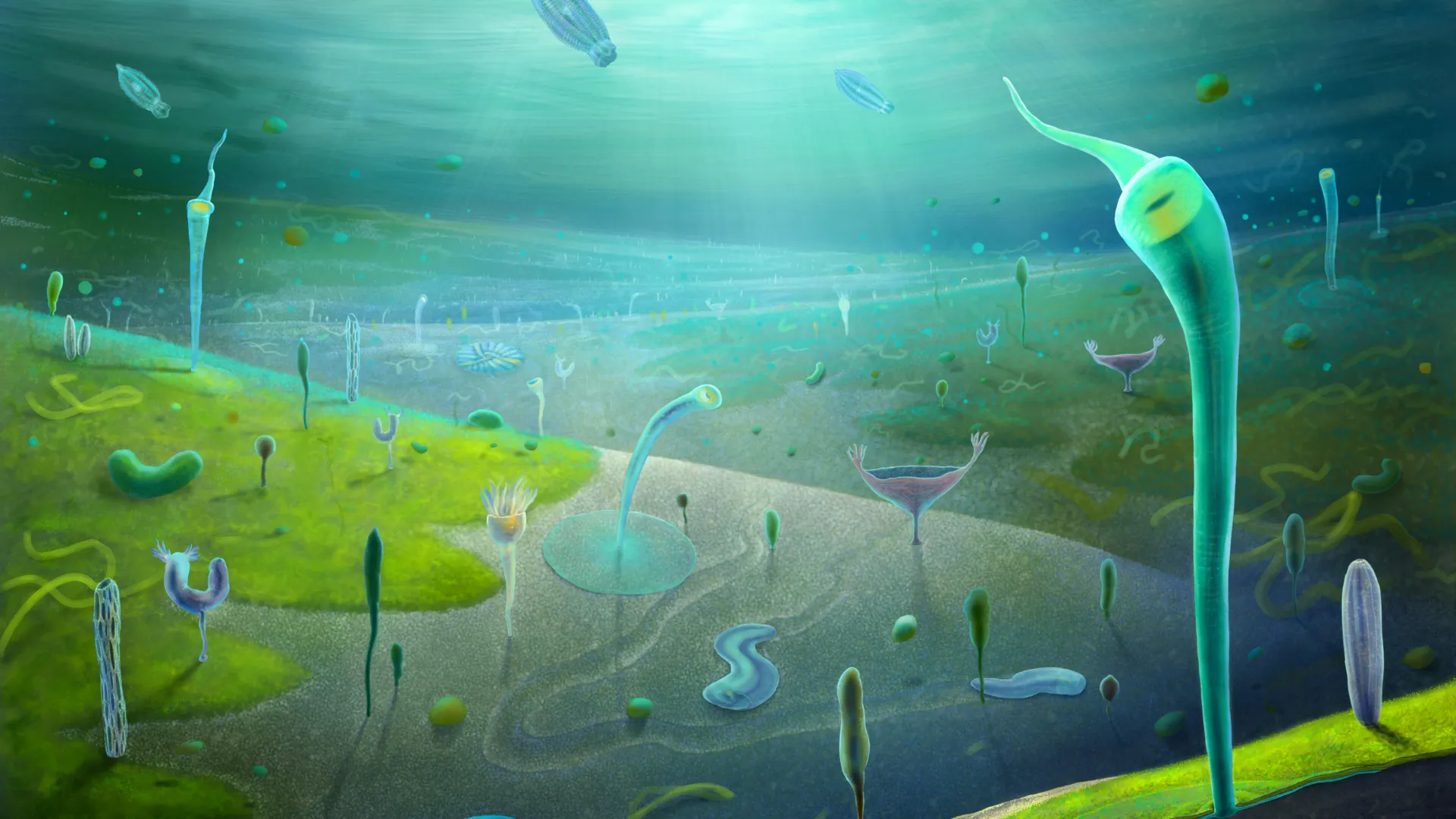
Fossil findings in China reveal complex creatures existed millions of years before the famous Cambrian explosion, rewriting the timeline of animal evolution.

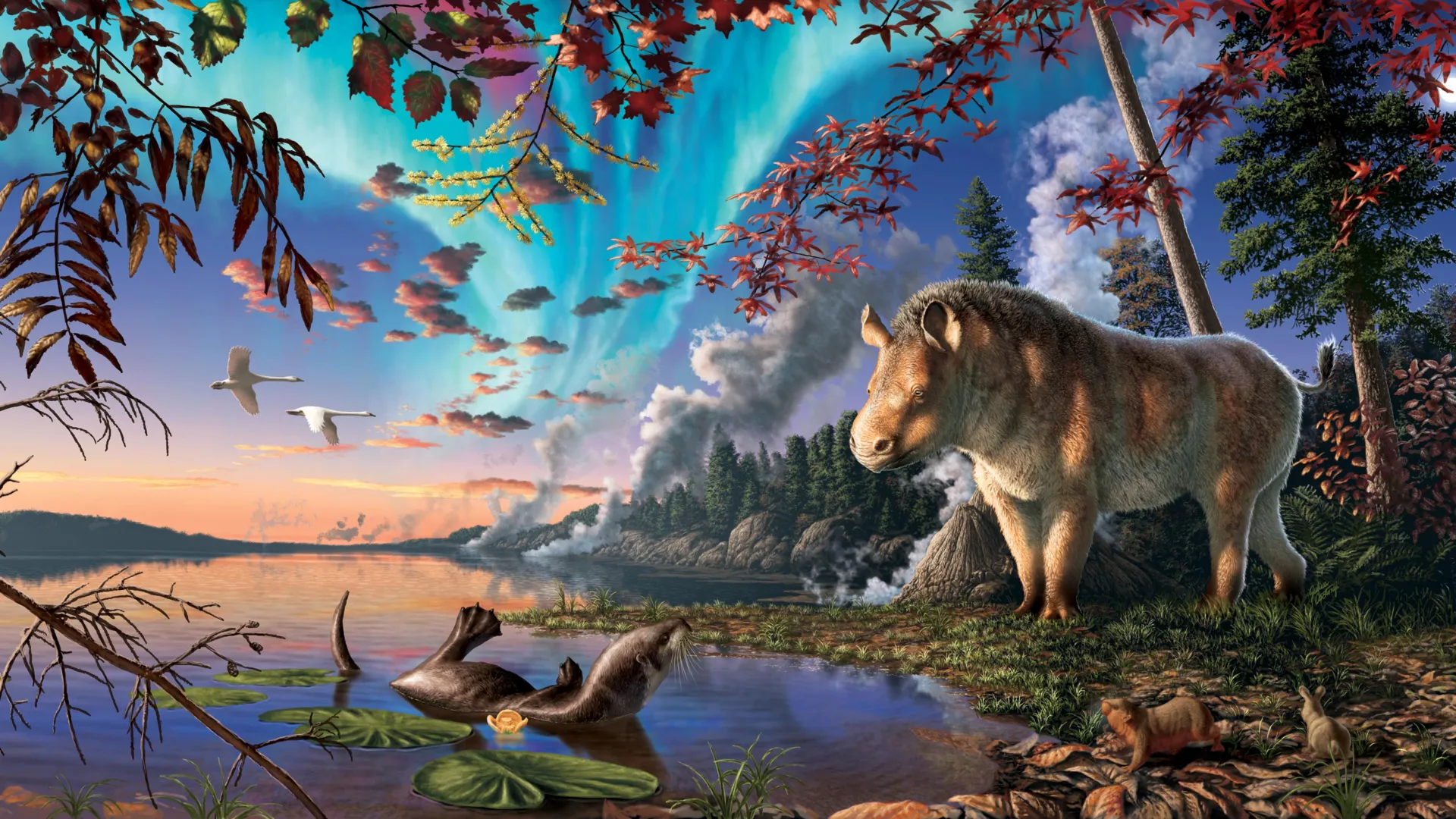
23-million-year-old rhinoceros found in Canadian High Arctic reveals rhinos lived farther north than ever known and crossed continents later than expected.