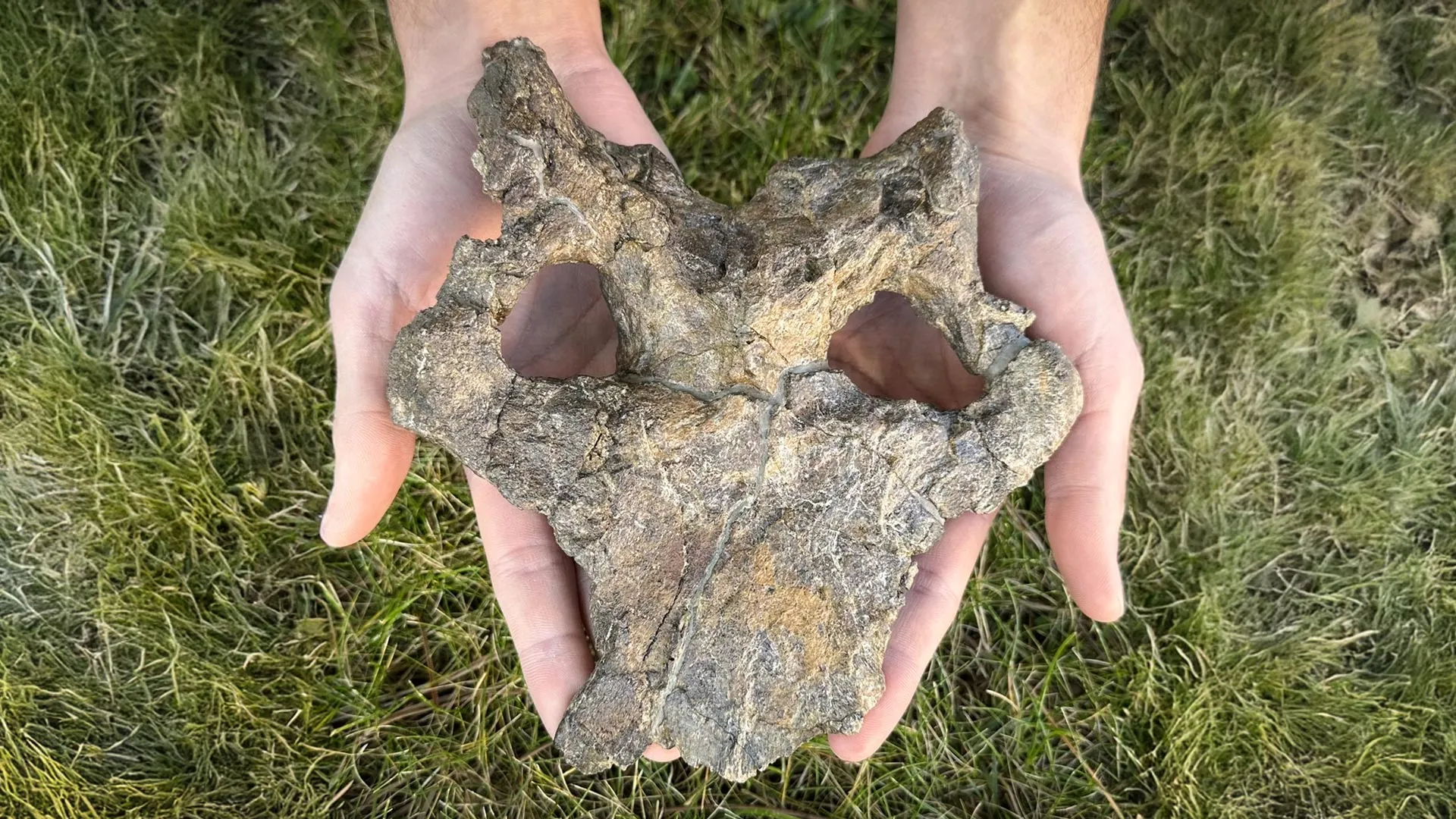
Some Giant Long-Necked Dinosaurs Could Rear Up on Two Legs — Until They Grew Too Big
A computer analysis of sauropod thigh bones shows young Uberabatitan and Neuquensaurus could stand on their hind legs with surprisingly little strain.
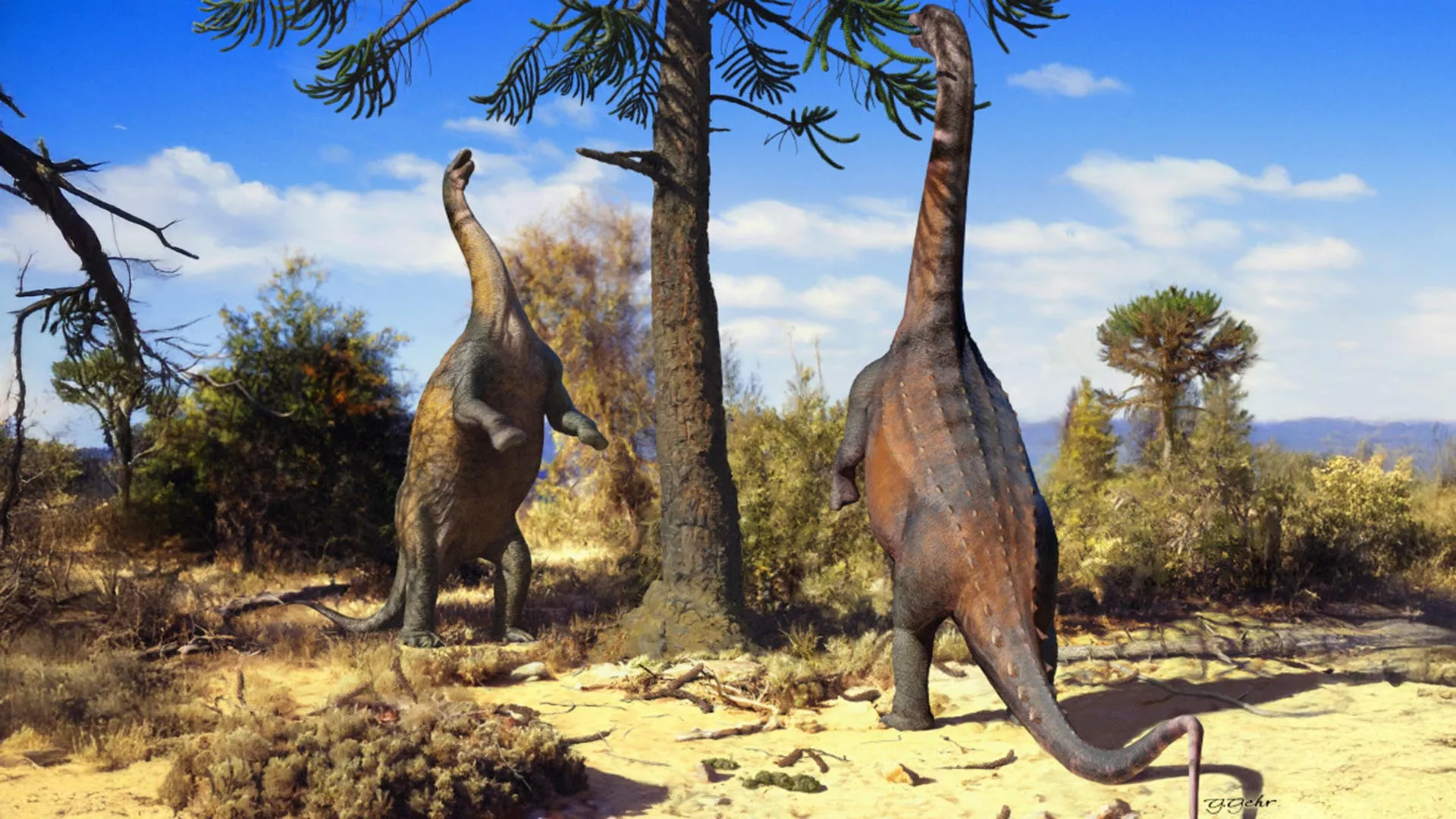
Two elephant-sized, long-necked dinosaurs that roamed South America roughly 66 million years ago were unusually well built for standing on their hind legs, a new study finds — an ability that faded as the animals grew larger and heavier. The research offers a rare, quantitative look at how some of the biggest creatures ever to walk the Earth managed the enormous forces on their bodies.
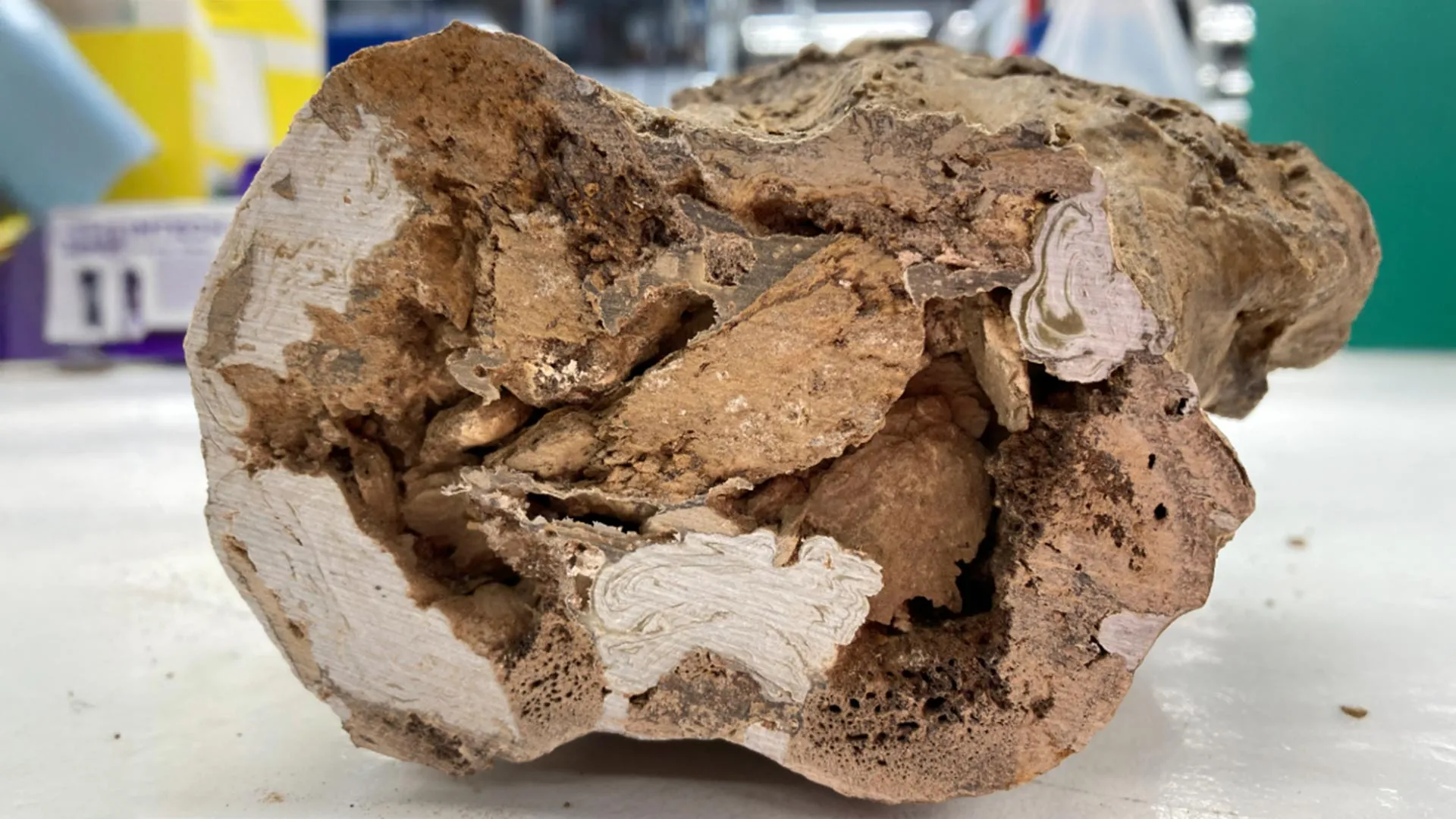
To investigate how sauropods handled the stress of rearing upright, researchers borrowed a computational method commonly used in engineering called finite element analysis. It let them estimate how much strain gravity and body weight placed on the femur, or thigh bone, when a dinosaur shifted its weight back onto its hind legs.
The team examined digital reconstructions of the femurs of seven sauropod species spanning different evolutionary branches, body sizes and anatomical features. Two South American species — Uberabatitan and Neuquensaurus — stood out. Their robust thigh bones handled the loads of a two-legged stance better than those of larger relatives, especially while the animals were young and comparatively light.
According to the analysis, juveniles of those two species could rise onto their hind legs and hold the pose for relatively long periods with surprisingly low femoral stress. As individuals matured into far heavier adults, however, the same maneuver placed much greater strain on the bone, effectively limiting how much they could rear up.
Why bother standing at all? The researchers suggest several possibilities: reaching leaves high in trees that four-legged browsing could not access, appearing more intimidating to predators, or displaying to attract mates and reproduce. For a young sauropod, a brief bipedal stretch may have been a routine part of feeding and social life rather than a rare acrobatic feat.
The findings add nuance to the picture of sauropods as lumbering, permanently four-legged giants, showing that posture and behavior likely changed dramatically over a single animal's lifetime. They also demonstrate how tools built to test bridges and aircraft can be turned on ancient bone to reconstruct behaviors that left no direct fossil record — only the mechanical fingerprints preserved in a thigh.