Stunning 150-Million-Year-Old Stegosaur Skull Unearthed in Spanish Crop Field Forces Rewrite of Dinosaur Evolution
Paleontologists in Teruel province have recovered the most complete Dacentrurus armatus skull ever found in Europe and proposed an entirely new evolutionary group, Neostegosauria, to make sense of where the plated dinosaur fits on the family tree.
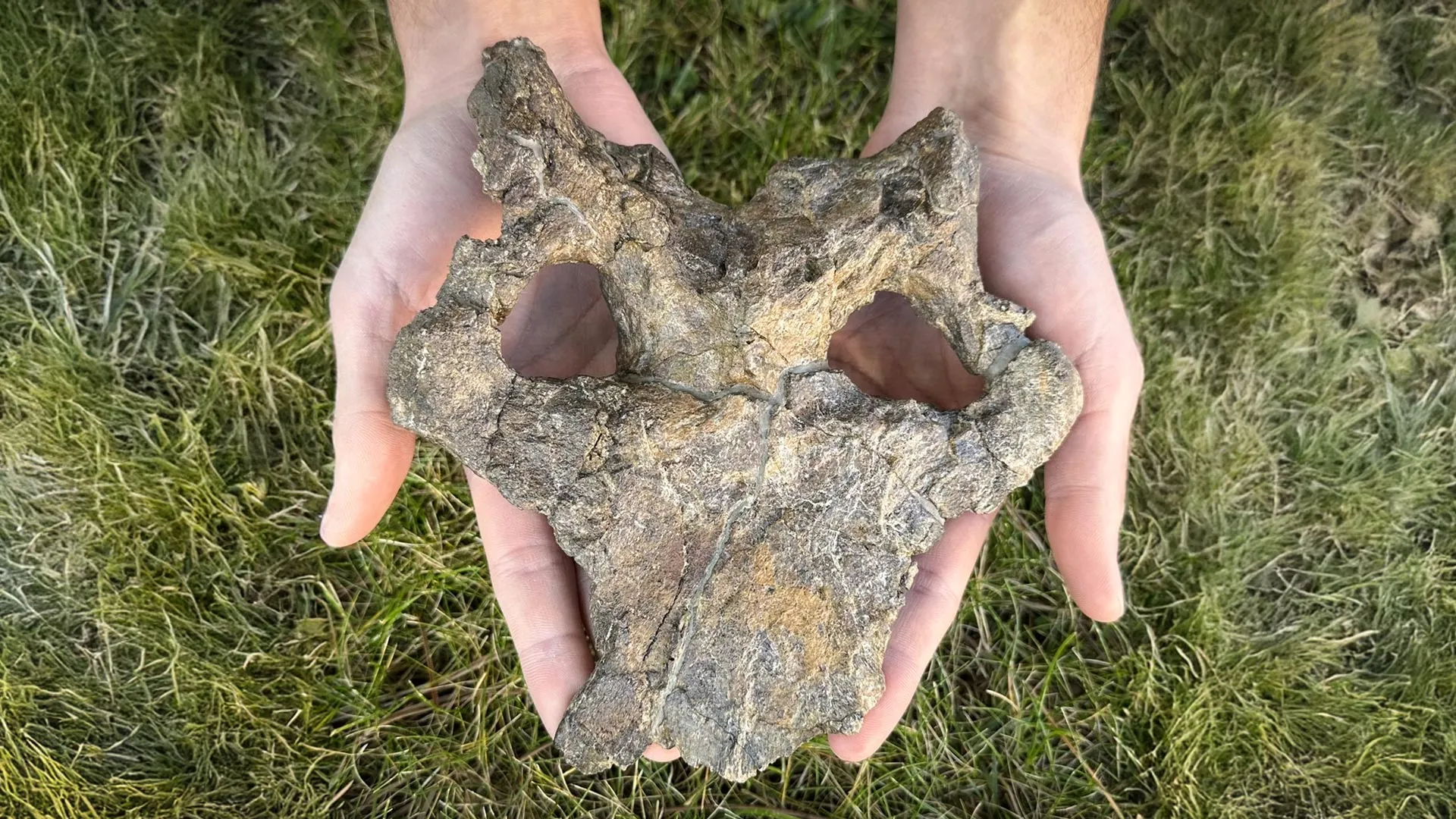
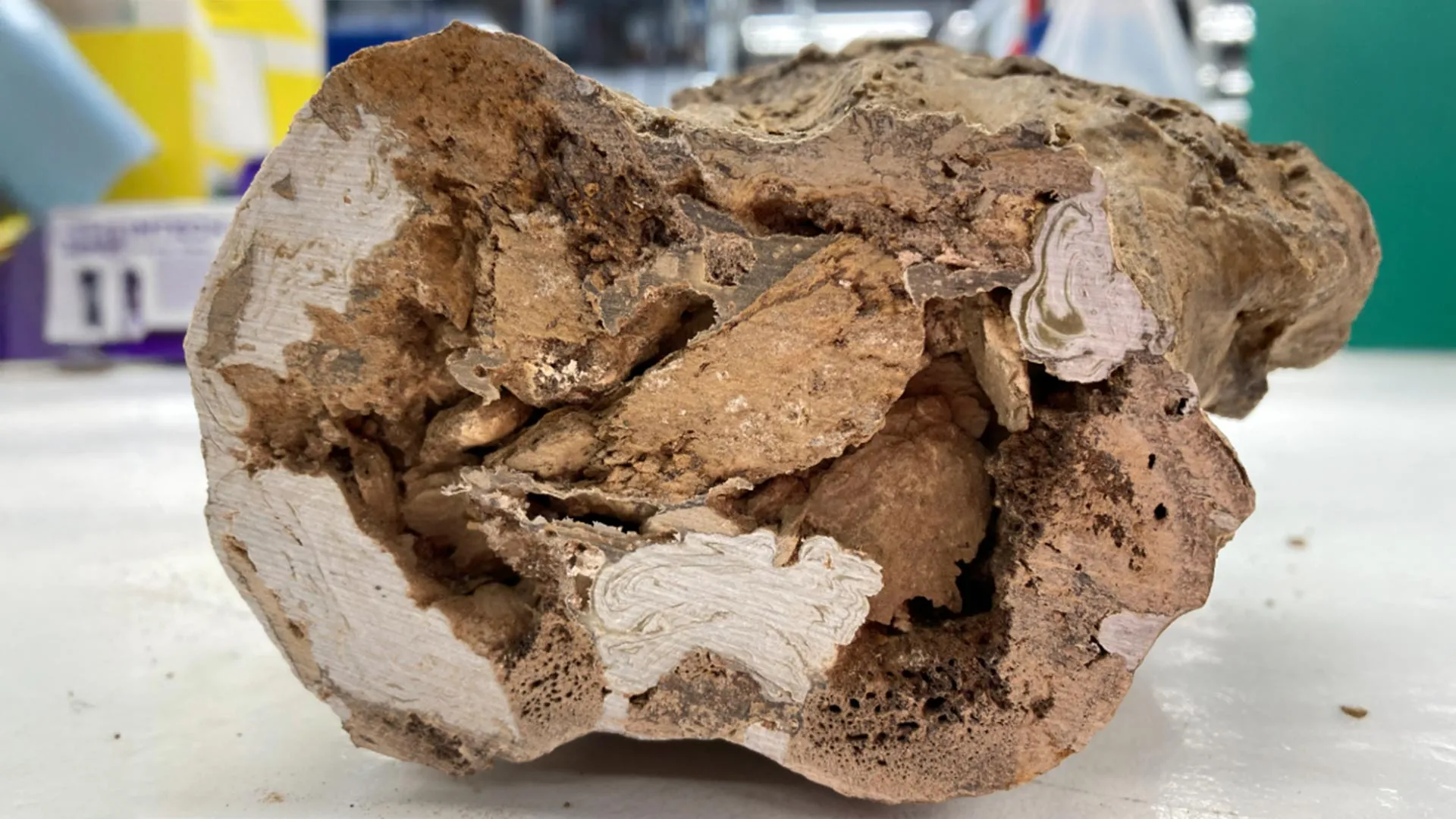
Paleontologists working a sun-baked crop field in eastern Spain have unearthed what they describe as the best-preserved stegosaur skull ever found in Europe, a roughly 150-million-year-old fossil that is already forcing scientists to redraw the family tree of the iconic plated dinosaurs. The find, published this week and announced jointly by researchers from the Universidad de Zaragoza and the Fundación Conjunto Paleontológico de Teruel-Dinópolis, belongs to Dacentrurus armatus, a heavyweight stegosaur that roamed what is now western Europe in the late Jurassic.
The skull was recovered from the Villar del Arzobispo Formation at a site nicknamed 'Están de Colón' near Riodeva, in Teruel province, in strata dated to between roughly 150 and 145 million years ago — the upper Kimmeridgian to Tithonian faunal stages. Cataloged as MAP-9029, the specimen preserves the snout, upper jaw and a substantial portion of the braincase, an extraordinarily rare combination given how delicate dinosaur skulls are and how rarely they survive intact across geologic time. To date, the same quarry has yielded close to 200 fossils, including remains of at least two stegosaurs at different stages of growth.
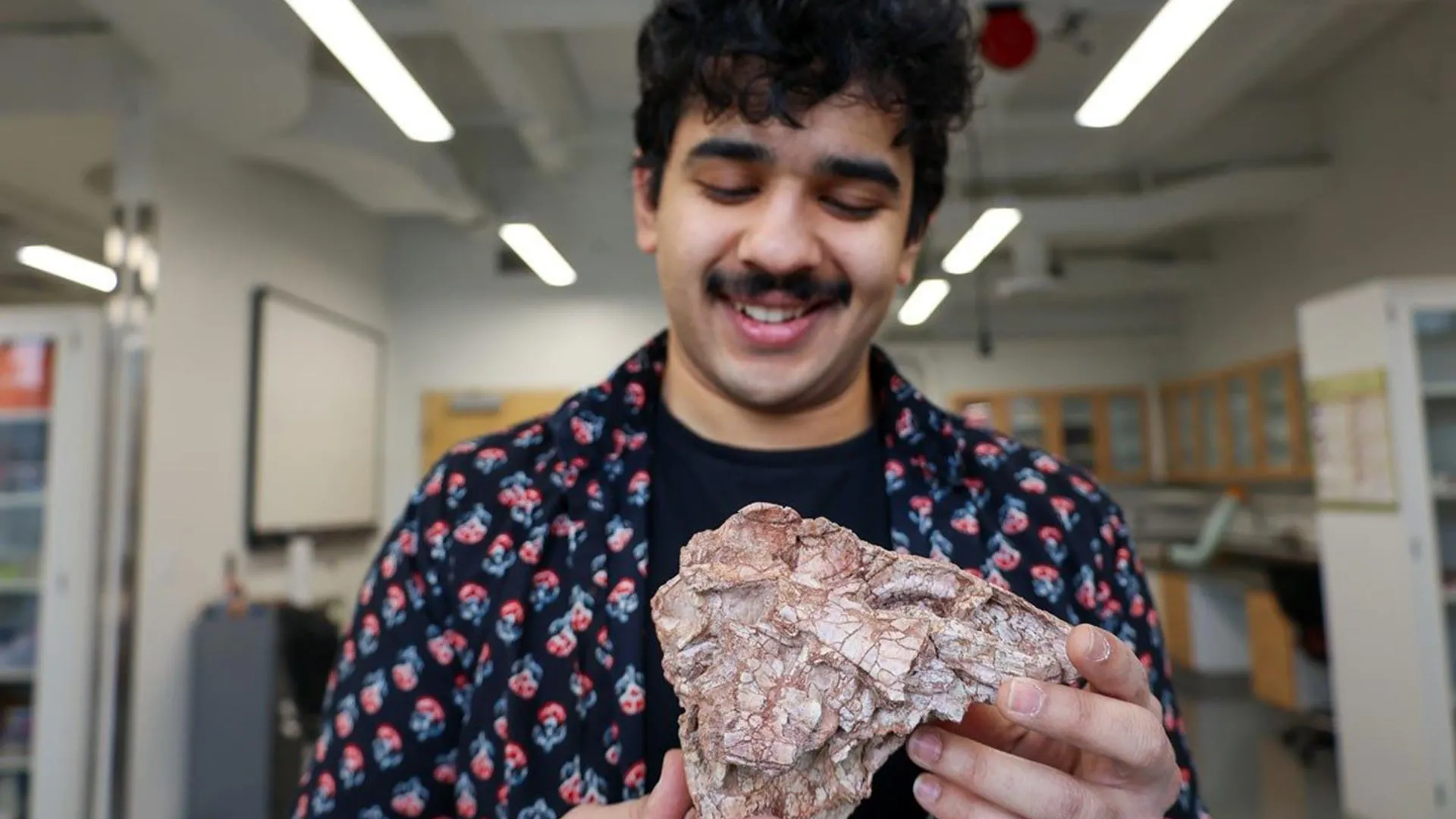
'Stegosaur skulls are basically thin sheets of bone wrapped around an air-filled braincase, and they almost never make it through fossilization in one piece,' said one of the project's lead paleontologists in a statement accompanying the release. 'To have this much of a Dacentrurus skull — including features we have never been able to see before in Europe — is genuinely once-in-a-career.' The team described the skull as 'exceptional' in the technical literature, and said the level of preservation allows direct anatomical comparison with stegosaur skulls from China and the western United States for the first time.
The most provocative element of the new paper is taxonomic. The team argues that the anatomy of the Dacentrurus skull does not fit neatly into the existing two-pronged classification of stegosaurs and proposes a new evolutionary group — Neostegosauria — that would unite Dacentrurus with several of the more advanced, large-bodied stegosaurs of the late Jurassic. If accepted by other researchers, the reorganization would rewrite parts of the standard textbook account of stegosaur evolution and suggest that the lineage was more anatomically diverse, and more geographically scattered, than previously believed.
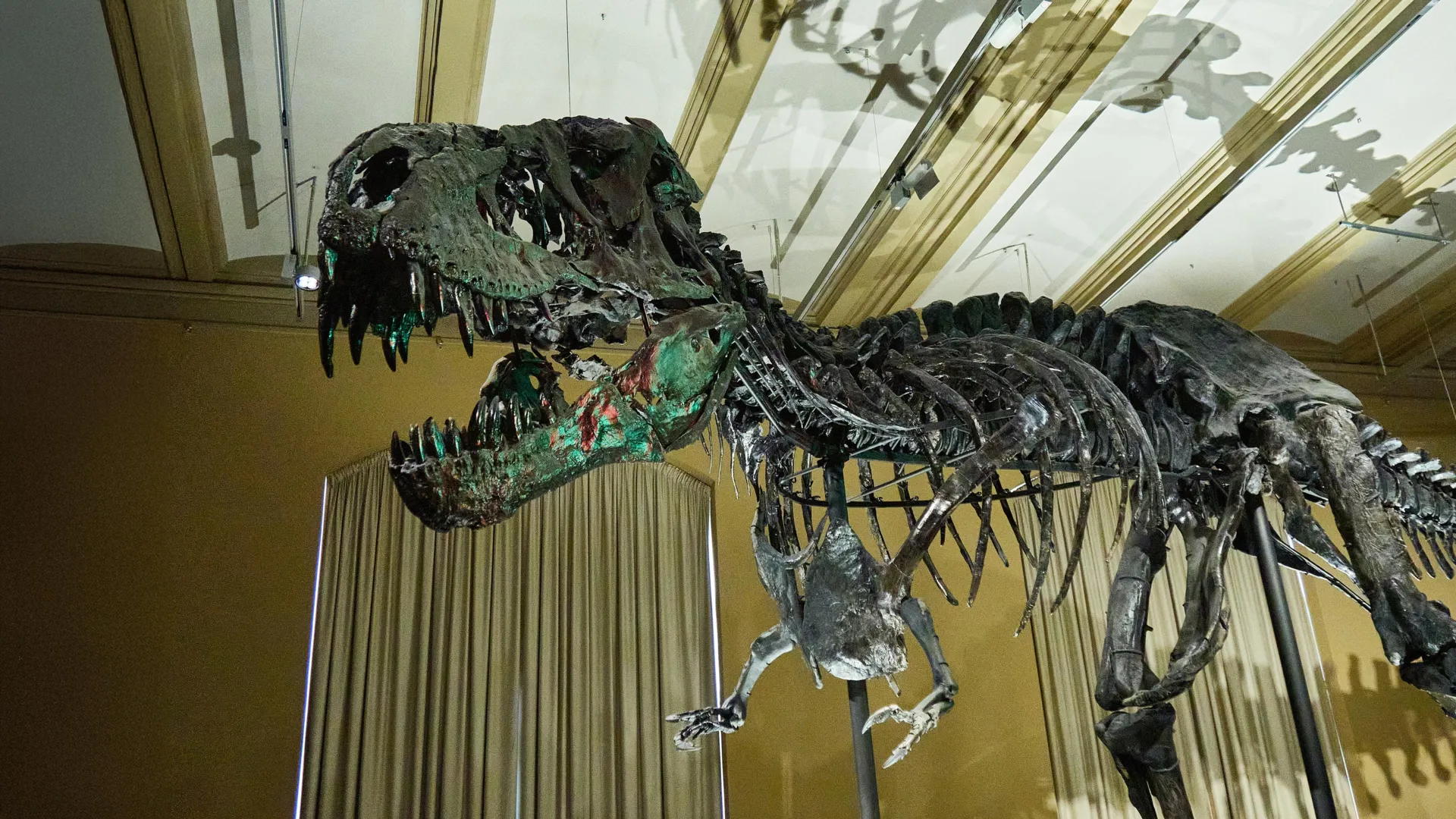
Dacentrurus itself was a formidable animal. Adults grew to about 7 to 9 meters in length and weighed several tons, with two parallel rows of bony plates running down the back and a tail tipped with four long defensive spikes — the so-called 'thagomizer' familiar from Stegosaurus. Where its more famous American cousin had large, kite-shaped plates, Dacentrurus had narrower, taller spikes along its back, giving it a more menacing silhouette. Spain, southern France and Portugal appear to have been a particular hotspot for the genus, with the Iberian Peninsula now contributing some of the most complete late Jurassic stegosaur material on Earth.
The research is part of a broader push by Spanish paleontologists to elevate Iberia's contribution to global dinosaur science. The 'Están de Colón' quarry sits inside a region that has produced sauropod, theropod and ornithopod material in recent decades, and the team behind MAP-9029 said it expects further excavations this summer to recover postcranial bones associated with the skull. For now, the polished braincase will go on public display at Dinópolis in Teruel, where visitors will be able to look directly into the head of one of Europe's most enigmatic Jurassic giants — and at a fossil that may force a generation of paleontology textbooks to be revised.