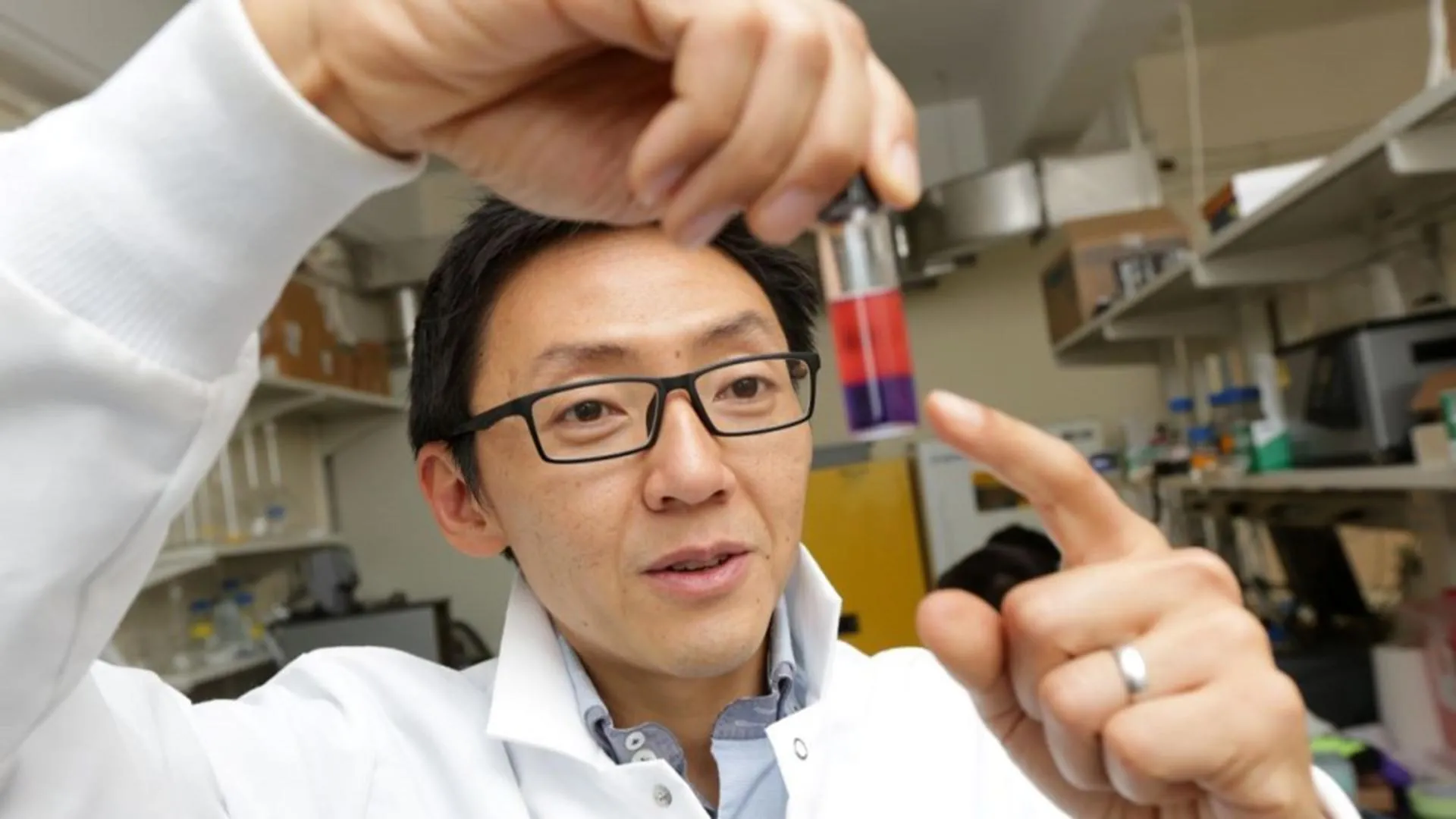
University of Toronto Geochemists Measure Massive Natural “White Hydrogen” Discharge From Billion-Year-Old Canadian Shield Rocks Beneath the Kidd Creek Mine in Timmins, Ontario
A new Proceedings of the National Academy of Sciences study by Barbara Sherwood Lollar and Jen-Ru Wang documents 15,000 boreholes venting more than 140 metric tons of pure hydrogen a year, enough to power roughly 400 households and signaling a potentially vast new clean-energy frontier across northern Canada.
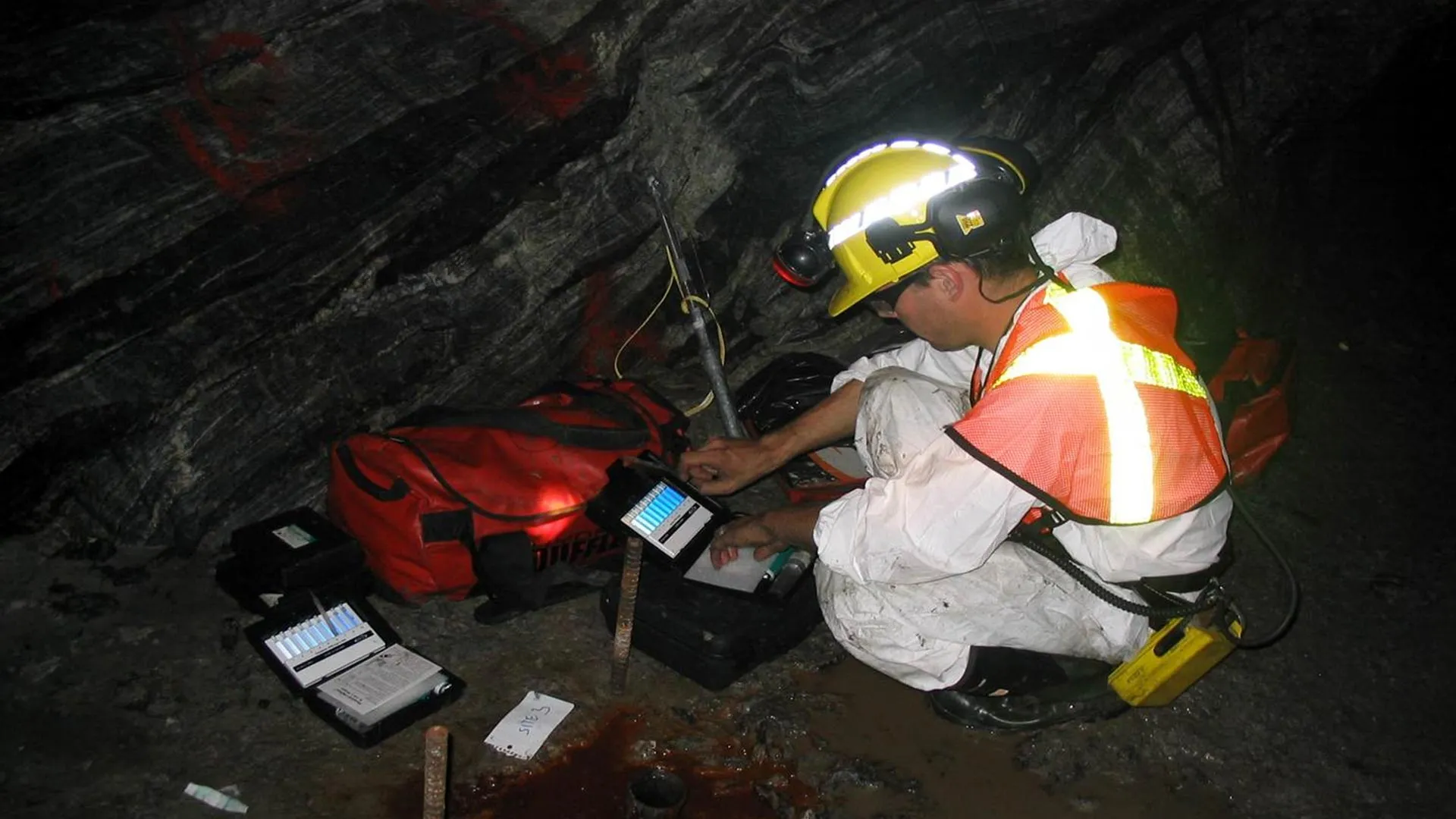
TIMMINS, Ontario — Ancient rocks buried beneath the Canadian Shield are quietly producing pure hydrogen gas at rates that could power small communities for decades, according to a new study published Tuesday in the Proceedings of the National Academy of Sciences — the first direct, long-term measurements of so-called "white hydrogen" leaking from a working mine in eastern Canada. The discovery has the potential to add a new and dramatically cleaner branch to the global hydrogen economy that is currently dominated by hydrogen extracted from natural gas.
Geochemists led by Barbara Sherwood Lollar of the University of Toronto and Jen-Ru Wang of the University of Ottawa drilled and sealed 15 separate boreholes inside the Kidd Creek copper-zinc mine near Timmins, an operating Glencore Plc mine that produces ore from a 2.7-billion-year-old Archean volcanic massive sulfide deposit. Over nearly three years of measurements they found that each borehole released, on average, eight kilograms of hydrogen per year and continued to do so at a stable rate through the entire monitoring period. Extrapolated across the mine's roughly 15,000 existing exploration boreholes, the team estimated the site is naturally venting more than 140 metric tons of hydrogen annually.
"This isn't a one-off seep or a science curiosity — this is hydrogen being continuously generated by the reaction of ancient water with the iron-rich silicate minerals in the host rock, and it has been doing so for, plausibly, billions of years," Sherwood Lollar said in a statement. The process, known as serpentinization, splits water molecules when groundwater interacts with reduced iron minerals at depth and releases molecular hydrogen as a byproduct. White hydrogen — sometimes called natural or geologic hydrogen, in contrast to "gray" hydrogen from methane or "green" hydrogen from electrolysis powered by renewables — has been hypothesized for decades, but reliable production measurements have been almost entirely absent until now.
The team calculated that the Kidd Creek discharge alone, if fully captured and used in fuel cells, could deliver roughly 4.7 million kilowatt-hours of energy per year — enough to fully meet the annual electricity demand of about 400 Canadian households. More importantly, the geological conditions at Kidd Creek — Archean greenstone belts, deep brines, and ample iron in the host rock — are found across vast portions of Northern Ontario, Quebec, Nunavut, Manitoba, the Northwest Territories and Labrador. Sherwood Lollar's team estimated that within Canada alone the Shield could host "tens of millions of tons" of accessible white hydrogen if even a small fraction of suitable boreholes were instrumented.
The Canadian Energy Regulator and Natural Resources Canada have already opened a consultation on a regulatory framework for natural hydrogen production, and at least three exploration startups — Hydroma, Koloma and Calgary-based BrightHydrogen — have announced plans to acquire mineral rights in greenstone belts across northern Quebec and Manitoba in the wake of the Kidd Creek paper. Sherwood Lollar cautioned that production at commercial scale will require careful management of the same deep brines that often coexist with hydrogen-bearing rocks, since uncontrolled venting could release dissolved methane and contaminated water into surface ecosystems. The team is now extending the measurement program to four additional sites in northern Ontario and one in Finland's Outokumpu mining district.