Scientists Discover Giant 'Last Titan' Dinosaur in Thailand
Nagatitan chaiyaphumensis weighed 27 tonnes and may be Southeast Asia's final giant sauropod before seas transformed the region.
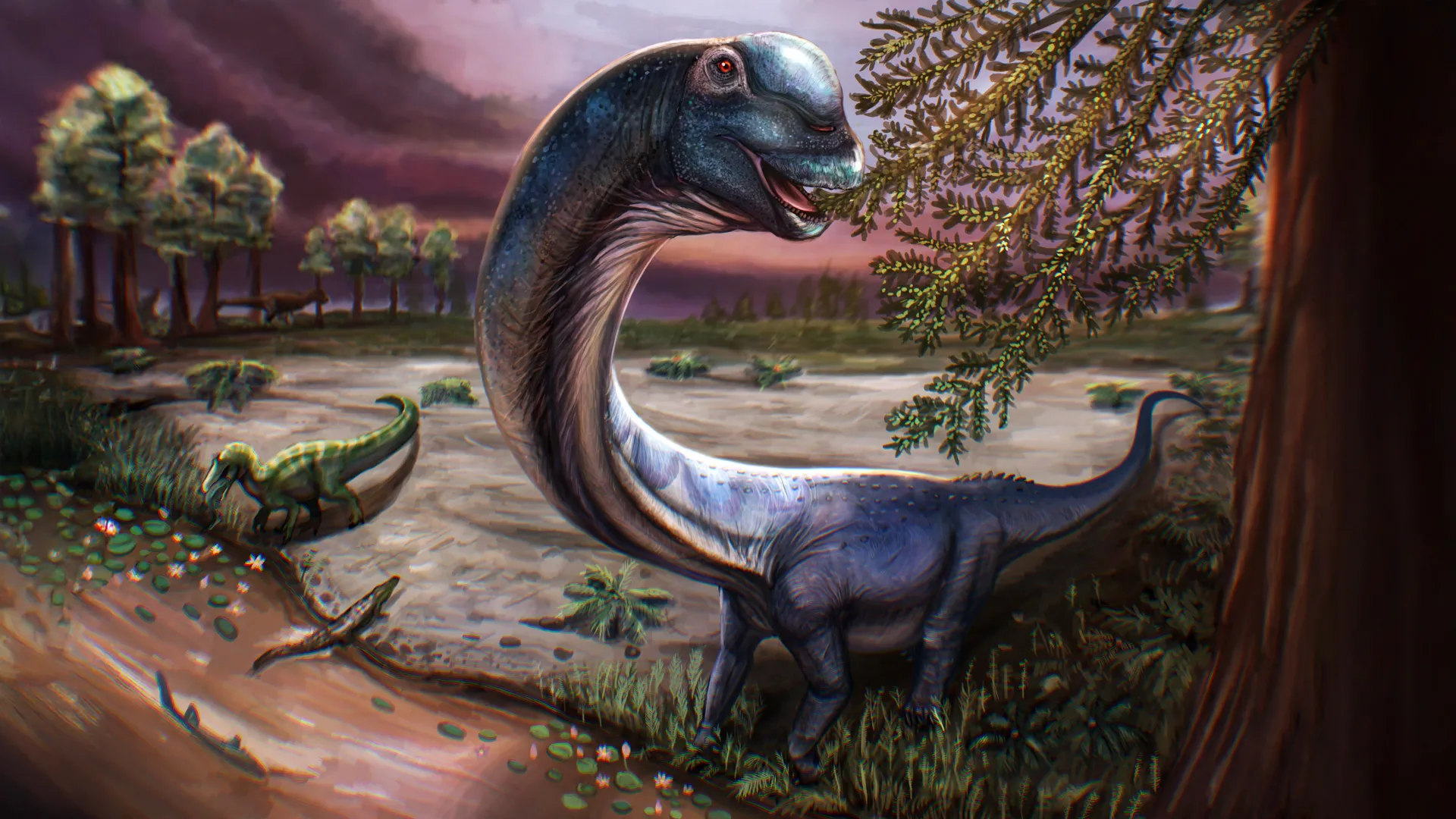
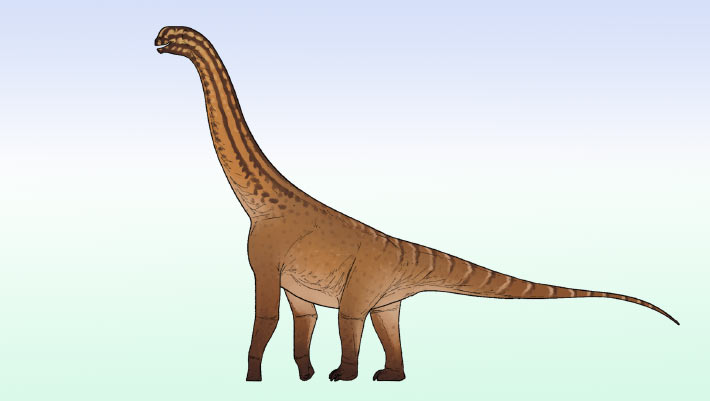
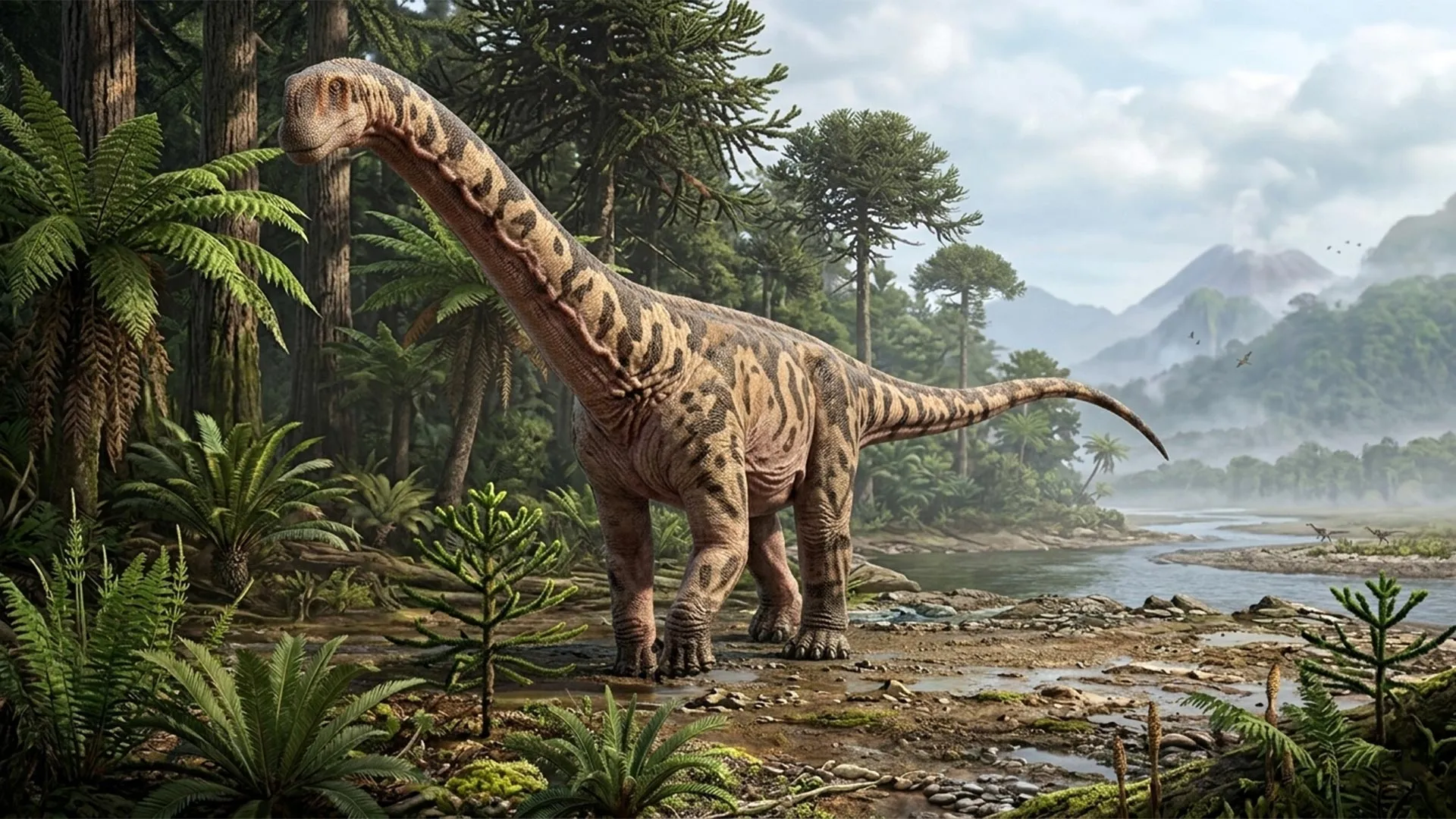
Researchers have identified a massive new species of long-necked dinosaur in Thailand that now ranks as the largest dinosaur ever discovered in Southeast Asia. The colossal creature, named Nagatitan chaiyaphumensis, stretched approximately 27 meters long and weighed roughly 27 tonnes, equivalent to nine adult Asian elephants, according to a study published in Scientific Reports.
The discovery resulted from a collaboration between University College London, Mahasarakham University, Suranaree University of Technology, and Thailand's Sirindhorn Museum. Scientists examined fossils first uncovered near a pond in northeastern Thailand about a decade ago, studying vertebrae, ribs, pelvis bones, and leg bones to determine the animal's enormous size. One front leg bone alone measured 1.78 meters long, as long as a human.
Nagatitan belonged to the sauropods, the group of giant plant-eating dinosaurs famous for their long necks and tails, which includes well-known species like Diplodocus and Brontosaurus. This newly identified dinosaur lived during the Early Cretaceous period between 100 and 120 million years ago, when the region experienced dry to semi-dry conditions that sauropods appear to have favored.
Lead author Thitiwoot Sethapanichsakul, a Thai PhD student at UCL Earth Sciences, explained the significance of the discovery: "We refer to Nagatitan as 'the last titan' of Thailand. That is because it was discovered in Thailand's youngest dinosaur-bearing rock formation. Younger rocks laid down towards the end of the time of the dinosaurs are unlikely to contain dinosaur remains because the region by then had become a shallow sea."
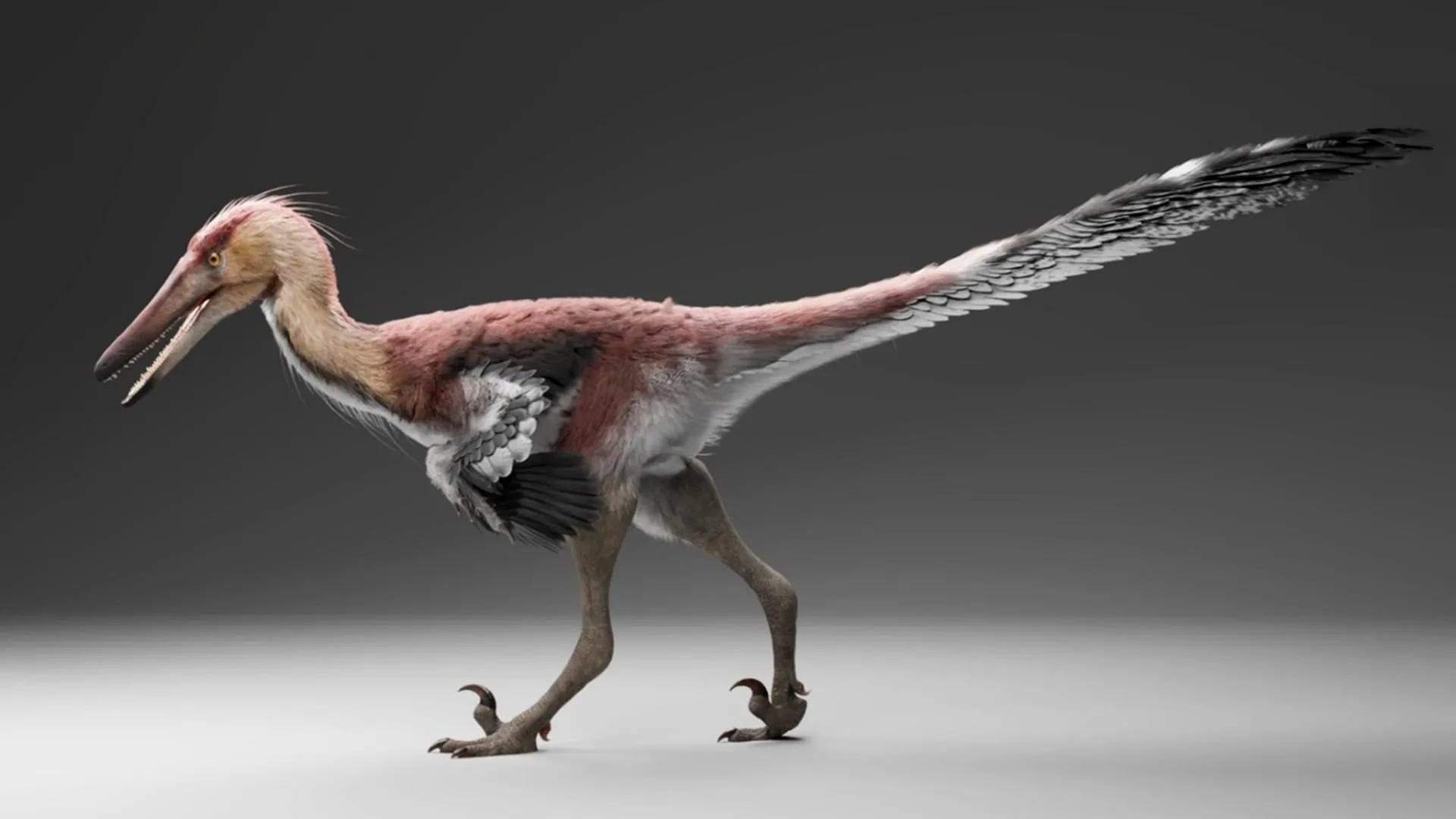
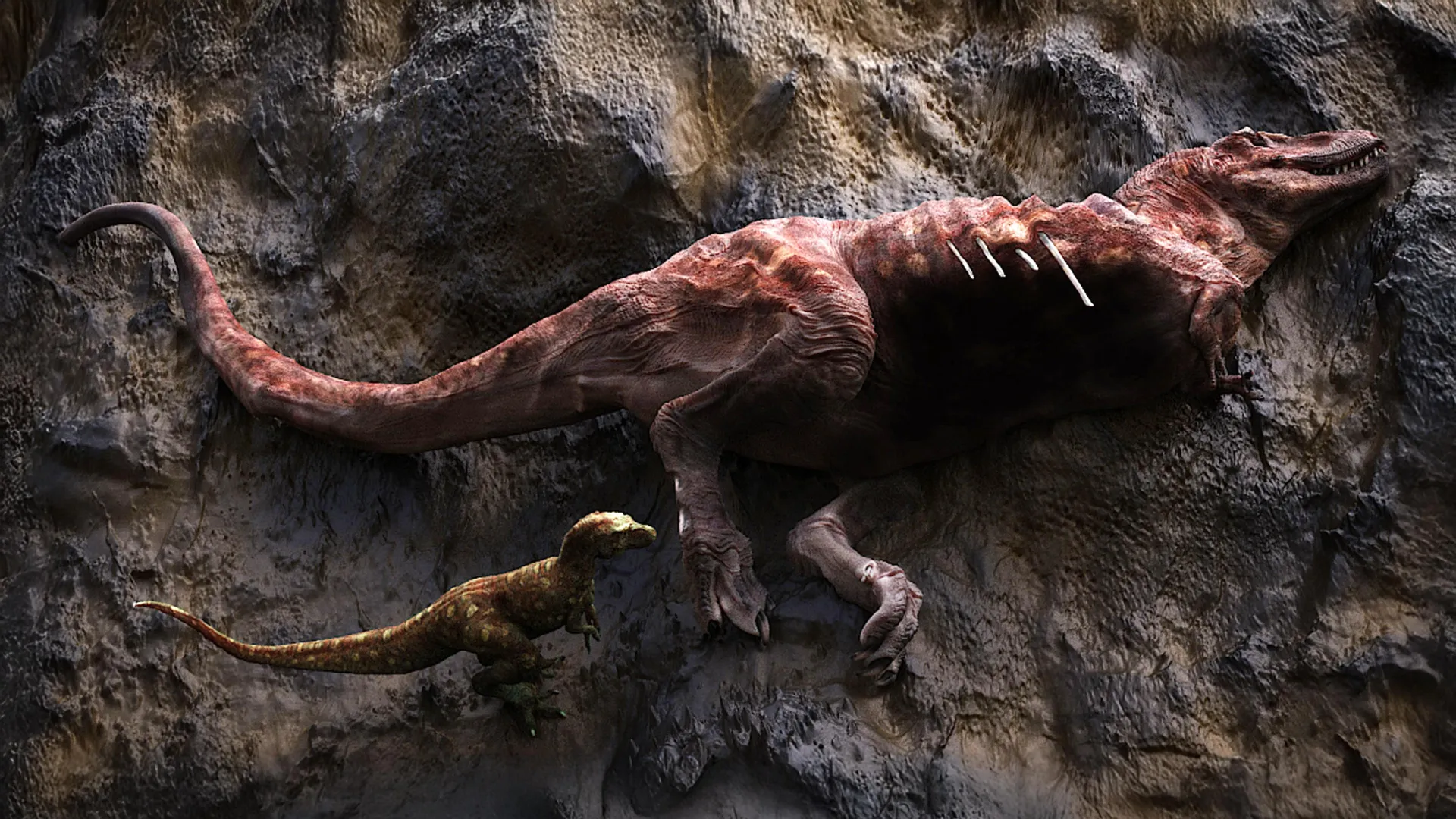
The massive dinosaur shared its ancient habitat with a diverse array of prehistoric creatures, including smaller plant-eaters like iguanodontians and early ceratopsians, giant predators such as carcharodontosaurids and spinosaurids, and flying reptiles known as pterosaurs. The fossil site also points to an ancient river environment filled with fish, freshwater sharks, and crocodiles, painting a picture of a rich ecosystem that supported some of the largest land animals ever to exist.