75-Million-Year-Old Mammal 'Cimolodon Desosai' Discovered in Baja California Dinosaur Beds
A University of Washington team unearthed a hamster-sized multituberculate that scampered through forests alongside the dinosaurs and may help explain how mammals survived the asteroid extinction.

Paleontologists led by researchers at the University of Washington have described a new species of mammal that lived alongside the dinosaurs roughly 75 million years ago, in a paper highlighted by Knowridge Science Report on May 8, 2026. The animal, named Cimolodon desosai, has been reconstructed from an unusually complete skeleton recovered from Late Cretaceous sediments in Baja California, Mexico, and was about the size of a modern golden hamster.
Cimolodon desosai belongs to the multituberculates, a long-extinct group sometimes called "the rodents of the dinosaur age" because their teeth bore multiple cusps that allowed them to grind tough plant matter and insects. Multituberculates first appeared more than 160 million years ago and dominated the small-mammal niche on Cretaceous landscapes. The newly described species fills a gap in their geographic and ecological record because most well-preserved multituberculate fossils have come from western North America's interior basins rather than from the more southerly latitudes of present-day Mexico.
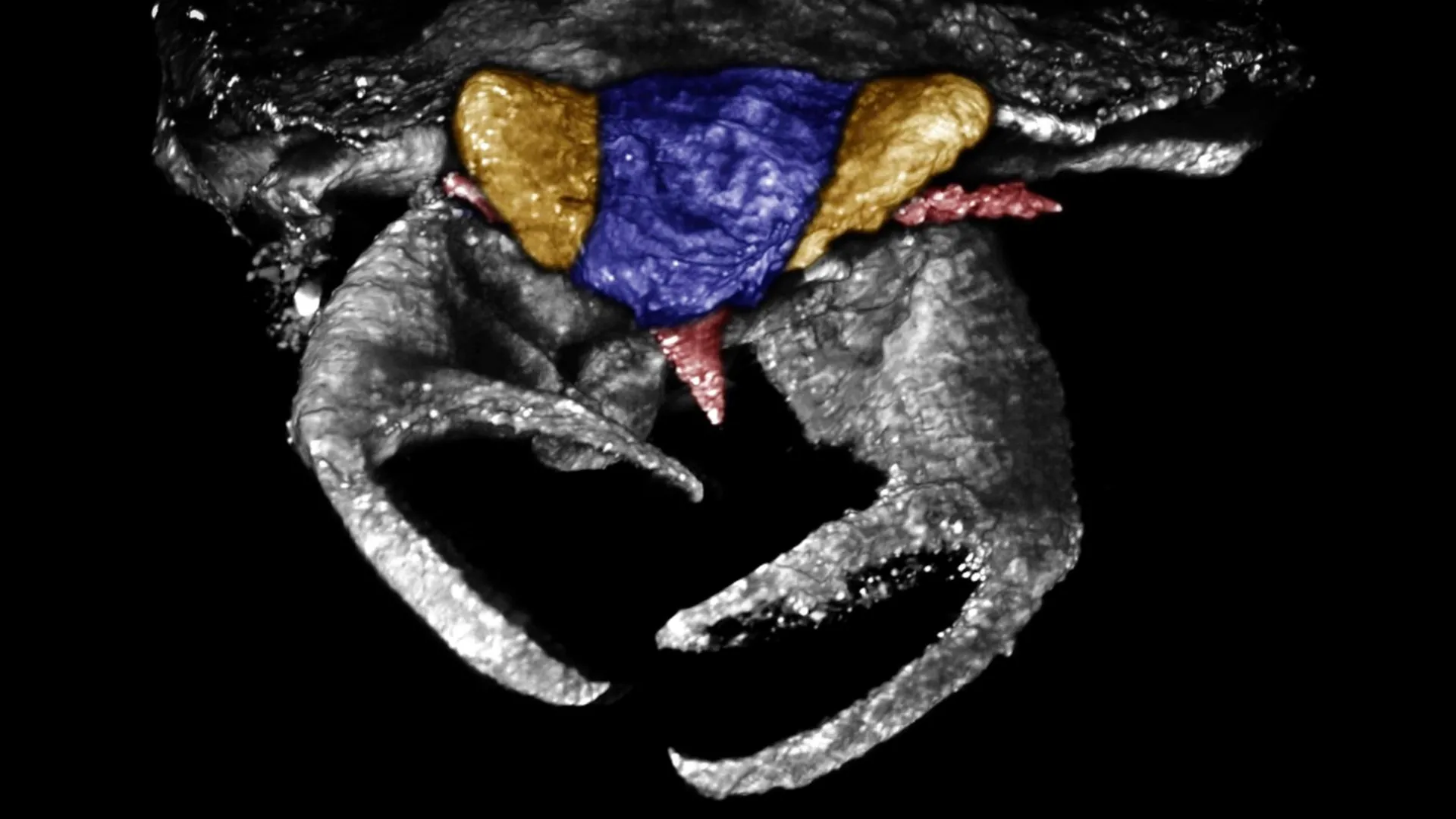
The fossil includes parts of the skull, jaws and limb bones — a degree of completeness that is rare for an animal so small and so old. The team used micro-CT scanning to reconstruct the dental wear pattern and inner-ear morphology, concluding that Cimolodon desosai likely climbed and foraged in trees as well as on the forest floor and that it ate a mixed diet of fruits and insects. That kind of dietary and locomotor flexibility, the authors argue, may help explain why the multituberculate lineage outlasted many of its larger contemporaries.
The species name commemorates Michael de Sosa VI, the field assistant who first spotted the specimen weathering out of an outcrop during a 2024 expedition. Naming new fossil species after the people who locate them in the field has become more common over the past decade as paleontologists have sought to share recognition more broadly. The lead author was quoted in the Knowridge writeup describing the fossil as "remarkable for both its preservation and its location."
Beyond the species itself, the discovery feeds into a longer-running debate about how mammals weathered the Chicxulub asteroid impact 66 million years ago. Multituberculates, which were generally small, quick to mature and dietary generalists, appear to have crossed the K–Pg boundary in greater numbers than larger groups did. Cimolodon desosai's traits — modest body size, a varied diet and apparent comfort in both ground-level and arboreal microhabitats — fit that profile, lending support to the view that ecological versatility, more than raw evolutionary novelty, is what allowed early mammals to inherit a world emptied of non-avian dinosaurs.