75-Million-Year-Old Tyrannosaur Fossil Reveals Shocking Cannibalistic Feeding Behavior
High-resolution 3D scans identify precise bite marks showing smaller tyrannosaur fed on remains of much larger relative, challenging predator stereotypes.
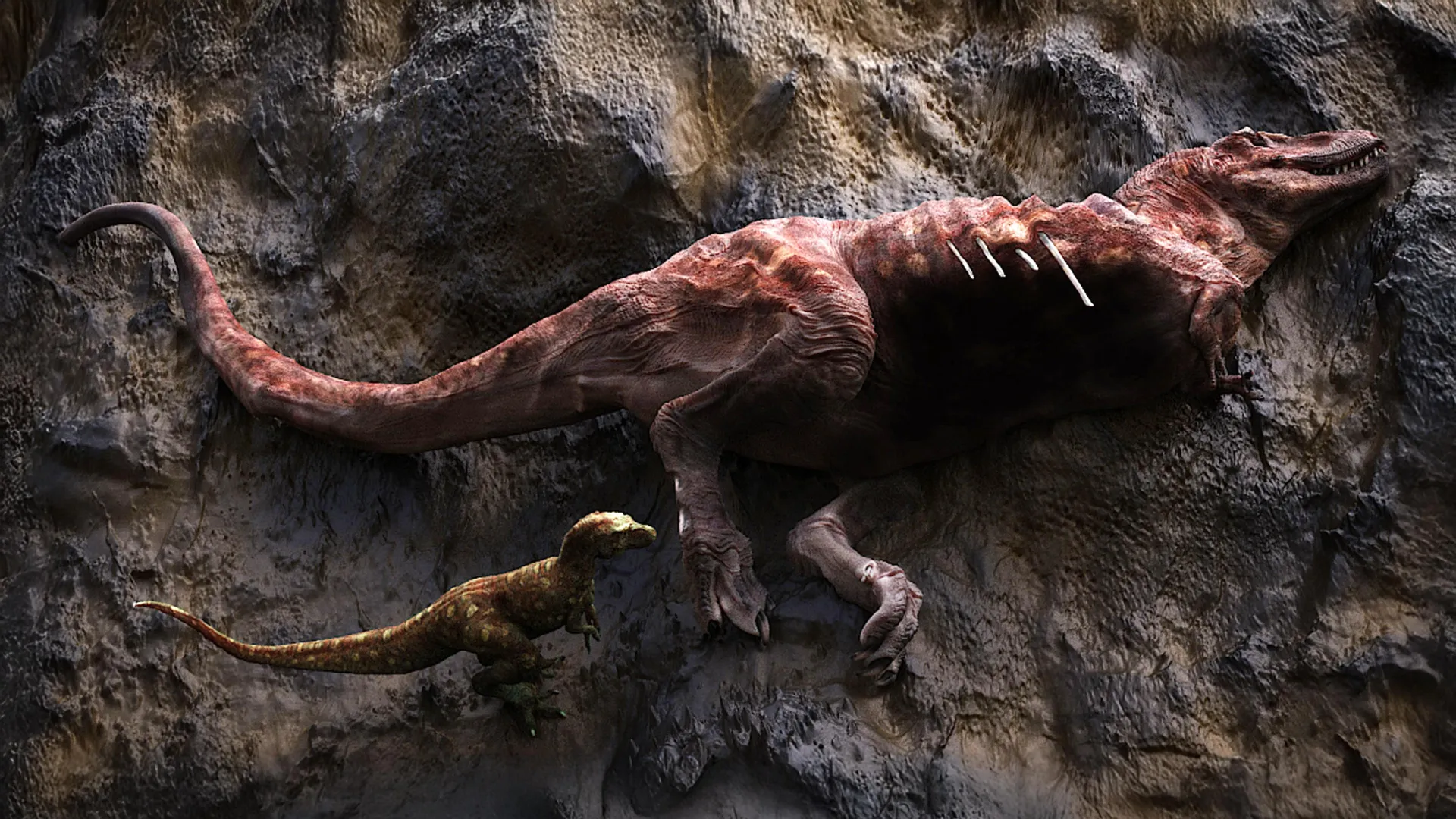
A new analysis of a 75-million-year-old tyrannosaur foot bone has revealed startling evidence of cannibalistic behavior among these ancient predators, showing that even the mighty "king of dinosaurs" engaged in opportunistic scavenging when circumstances allowed. Researchers at Aarhus University used advanced 3D scanning techniques to identify 16 distinct bite marks on a fossilized metatarsal, providing unprecedented detail about how tyrannosaurs fed on the remains of their own kind.
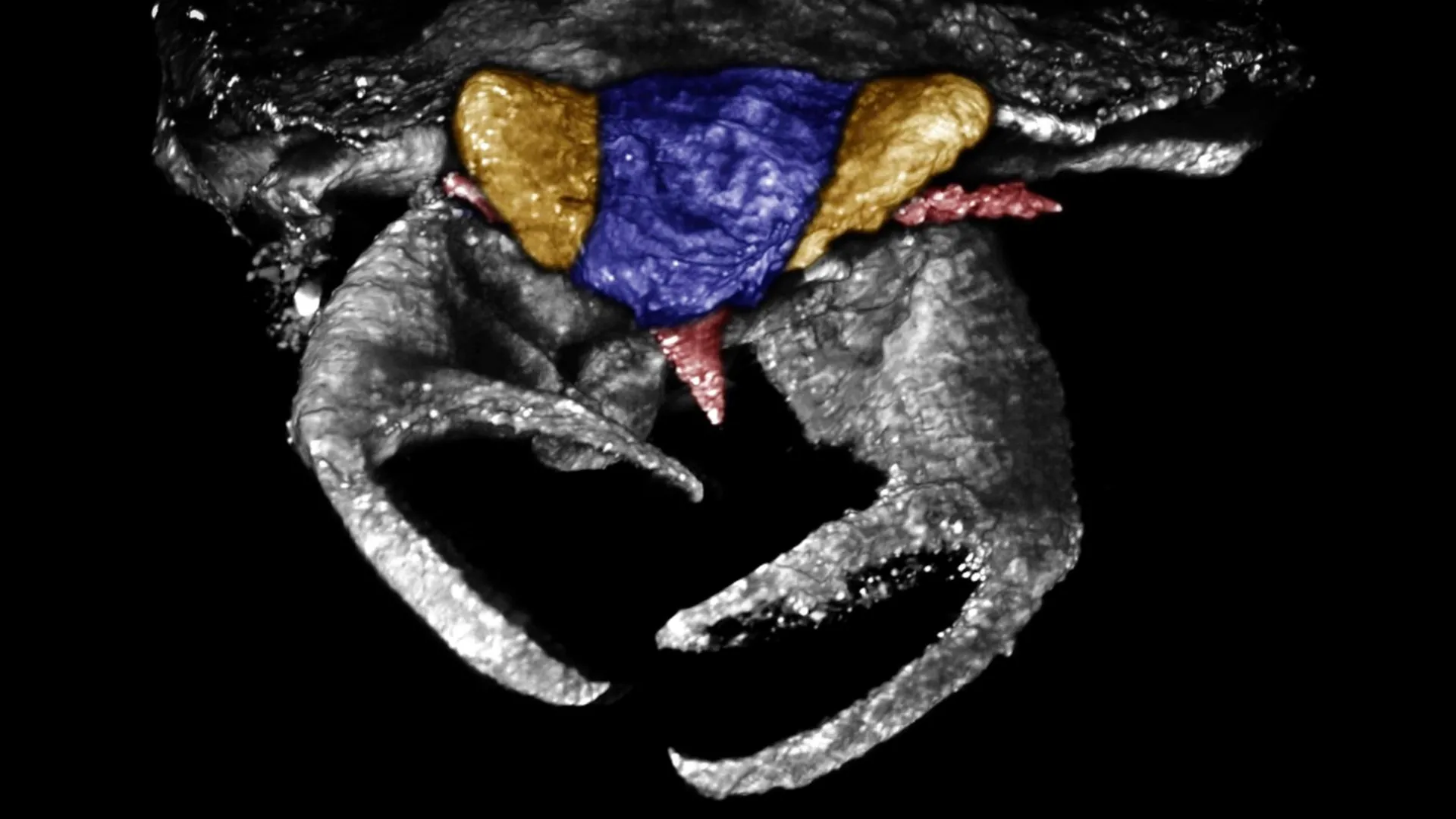
Josephine Nielsen, a Master's student in geoscience who led the study published in Evolving Earth, used virtual 3D modeling to analyze the depth, angle, and placement of each bite mark on the 10-centimeter-long bone. Her detailed forensic analysis revealed that the marks were not random damage but precise impressions from the teeth of a smaller tyrannosaur that systematically fed on a much larger relative, likely weighing several tons and measuring 10-12 meters in length.
The location of the bite marks on the foot bone, where very little meat would have been available, suggests this was not fresh predation but rather late-stage scavenging behavior. Nielsen explained that the bone shows no signs of healing, indicating the animal was already dead when the feeding occurred, and the focus on areas with minimal soft tissue suggests the smaller tyrannosaur was "cleaning up" the last edible remains of an old carcass.
The research team used digital modeling techniques to study a 3D-printed replica rather than risk damaging the original fossil, which was discovered by an amateur collector in Montana's Judith River Formation and is now housed at the Badlands Dinosaur Museum in North Dakota. This approach allowed for detailed analysis using the systematic CM (Category-Modifier) classification system, which categorizes bite marks based on fixed criteria to distinguish between different types of tooth strikes and feeding behaviors.
These findings challenge the traditional image of tyrannosaurs as exclusively dominant predators, revealing a more opportunistic and resourceful side to their behavior. The evidence suggests these ancient giants were pragmatic survivors who would not let potential food sources go to waste, even if it meant feeding on their own kind during times when fresh prey was scarce.