65-Foot 'Jurassic Titan' Unearthed in Patagonia Is the First of Its Kind From South America
Named Bicharracosaurus dionidei, the long-necked giant fills a major gap in the story of how the largest dinosaurs evolved in the Southern Hemisphere.
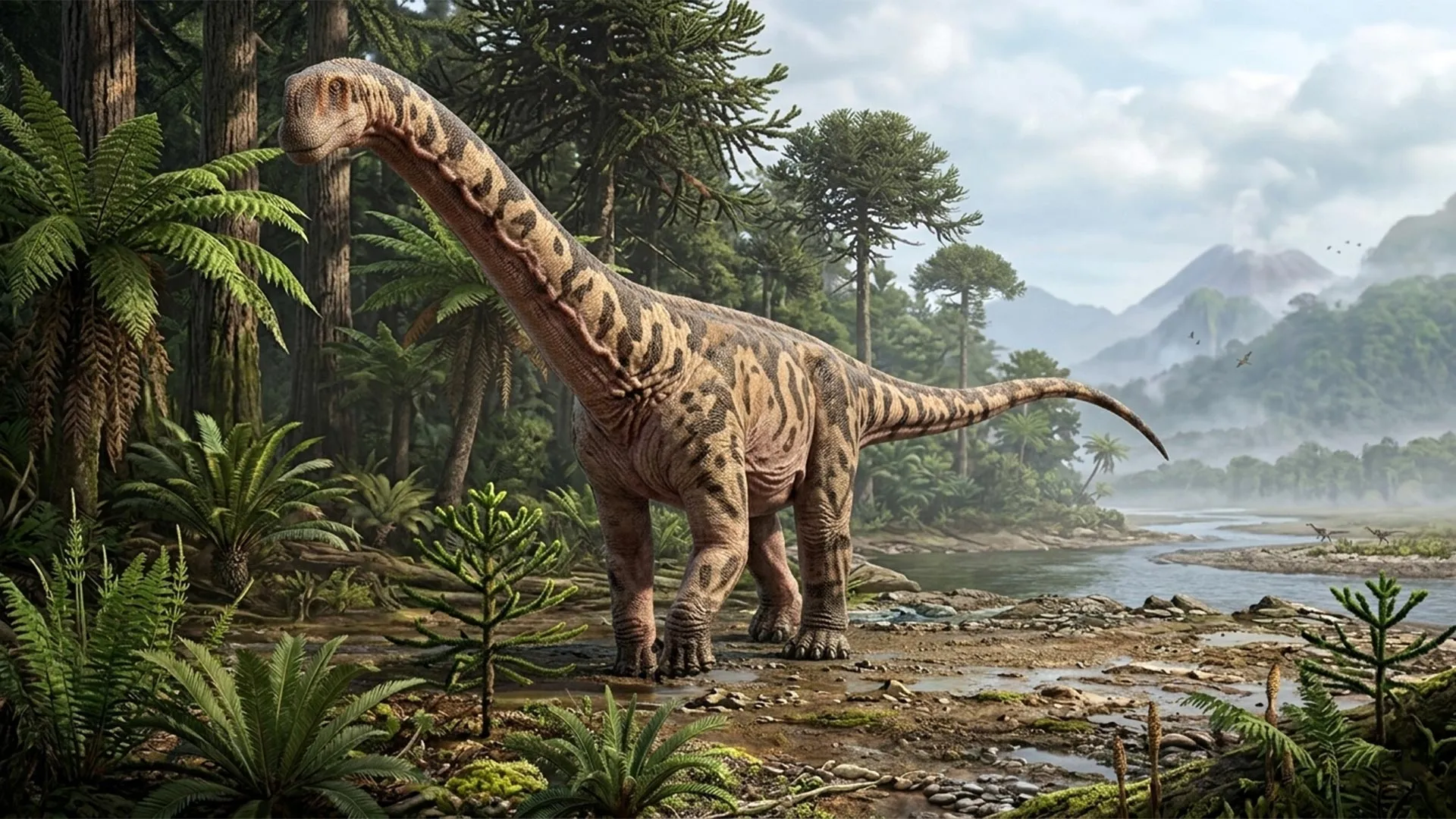
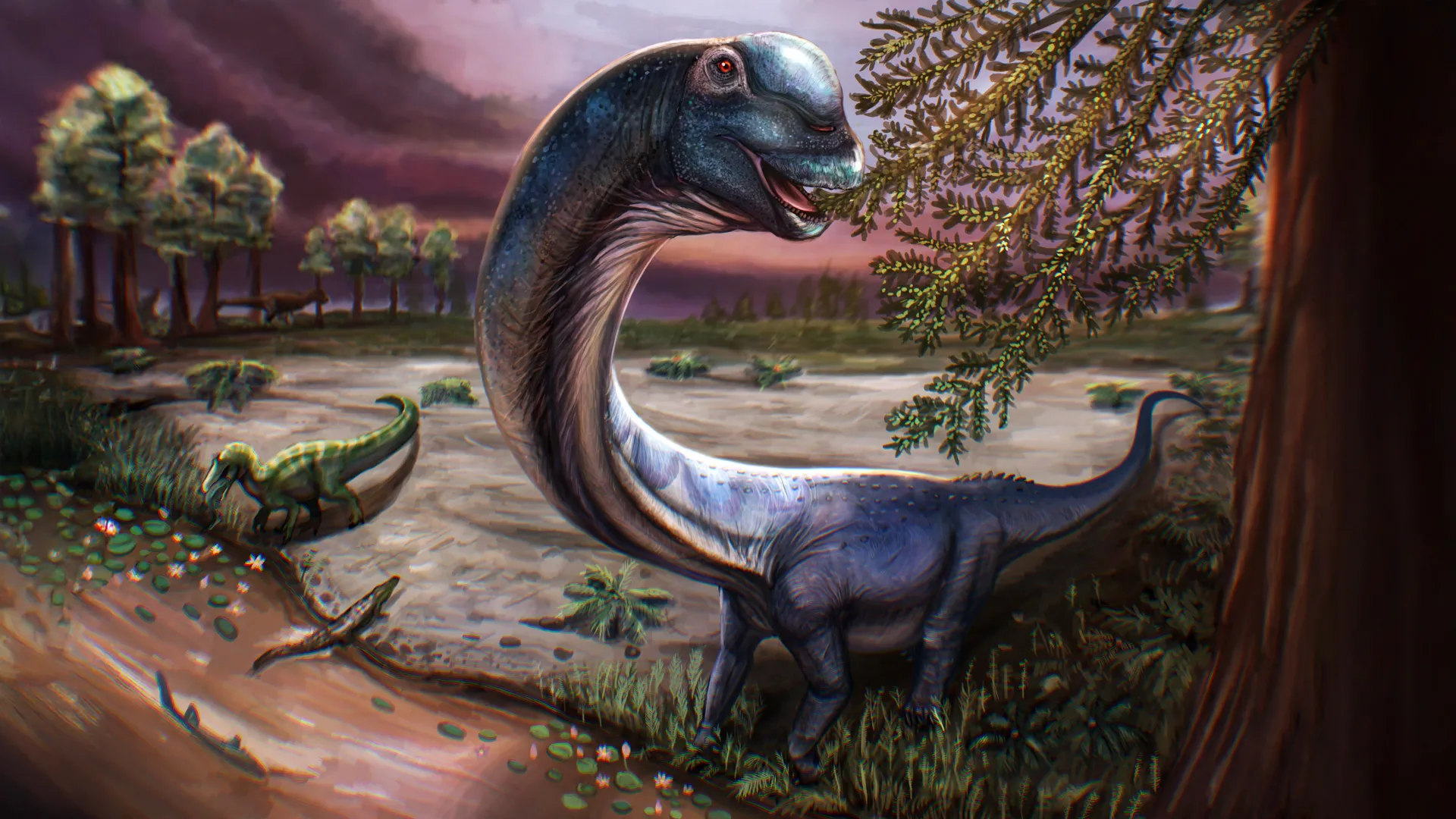
Paleontologists have unearthed the fossil remains of a colossal long-necked dinosaur in the badlands of Argentine Patagonia, a roughly 65-foot-long plant-eater that lived some 155 million years ago and now stands as the first of its kind ever found in South America.
Named Bicharracosaurus dionidei, the dinosaur was a brachiosaurid — a member of the family of towering, front-heavy sauropods that includes the iconic Brachiosaurus of the Northern Hemisphere. Its discovery in the Cañadón Calcáreo rock formation of Chubut province represents the first record of a Late Jurassic brachiosaurid from the southern continents, filling a conspicuous blank space in the fossil record. Until now, scientists' understanding of how these giants evolved leaned almost entirely on specimens dug up in North America, Europe and Africa.
The research, published in the journal PeerJ, was led by Alexandra Reutter, a doctoral student at the Bavarian State Collections of Natural History in Munich, working with an international team that included the prominent Argentine paleontologist Diego Pol and the German researcher Oliver Rauhut. The collaboration paired German expertise with decades of Argentine fieldwork in Patagonia, one of the richest dinosaur-hunting grounds on Earth.
The find matters because the Late Jurassic was a pivotal stretch in the rise of the sauropods, the largest animals ever to walk the planet. By the Cretaceous period that followed, South America would become home to some of the most enormous dinosaurs known, including the titanosaurs. A brachiosaurid living in the region tens of millions of years earlier helps trace the deep roots of that lineage and suggests these giants were more widely distributed across the ancient supercontinents than the patchy fossil record had revealed.
"The fossil site provides us with important comparative material, allowing us to continuously supplement and reevaluate our understanding of the evolutionary history of these animals," the researchers said, underscoring how a single well-preserved skeleton can reshape a chapter of natural history. Each new specimen from a previously blank region lets scientists test which features of these animals were shared globally and which evolved locally.
Patagonia has yielded a remarkable parade of dinosaur discoveries in recent years, and Bicharracosaurus adds a Jurassic chapter to a region better known for its later, Cretaceous giants. For the team behind the find, the long-necked titan is both a spectacular animal in its own right and a signpost pointing to how much of the Southern Hemisphere's deep past remains buried, waiting to rewrite what paleontologists think they know about the age of the dinosaurs.

/https://tf-cmsv2-smithsonianmag-media.s3.amazonaws.com/filer_public/3c/1f/3c1f6ba0-0486-41be-90f9-b9d192cfd29a/notebook-and-fossil.jpeg)