Fossils Reveal a Meter-Long Scorpion That Prowled Ancient Britain 415 Million Years Ago
Newly identified as Praearcturus gigas, the giant was among the first large predators to stalk the land — armed with 16-centimeter pincers.
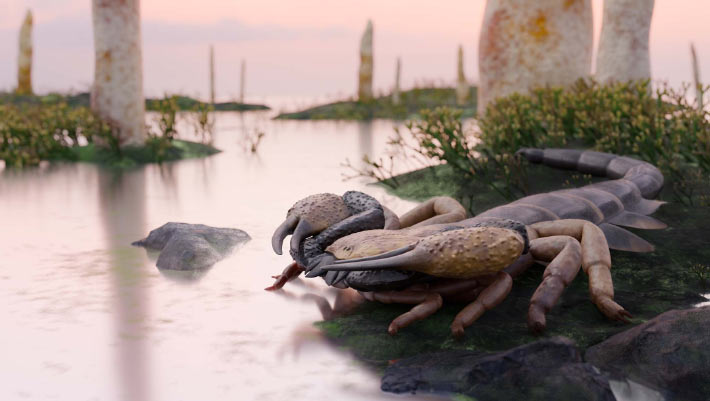
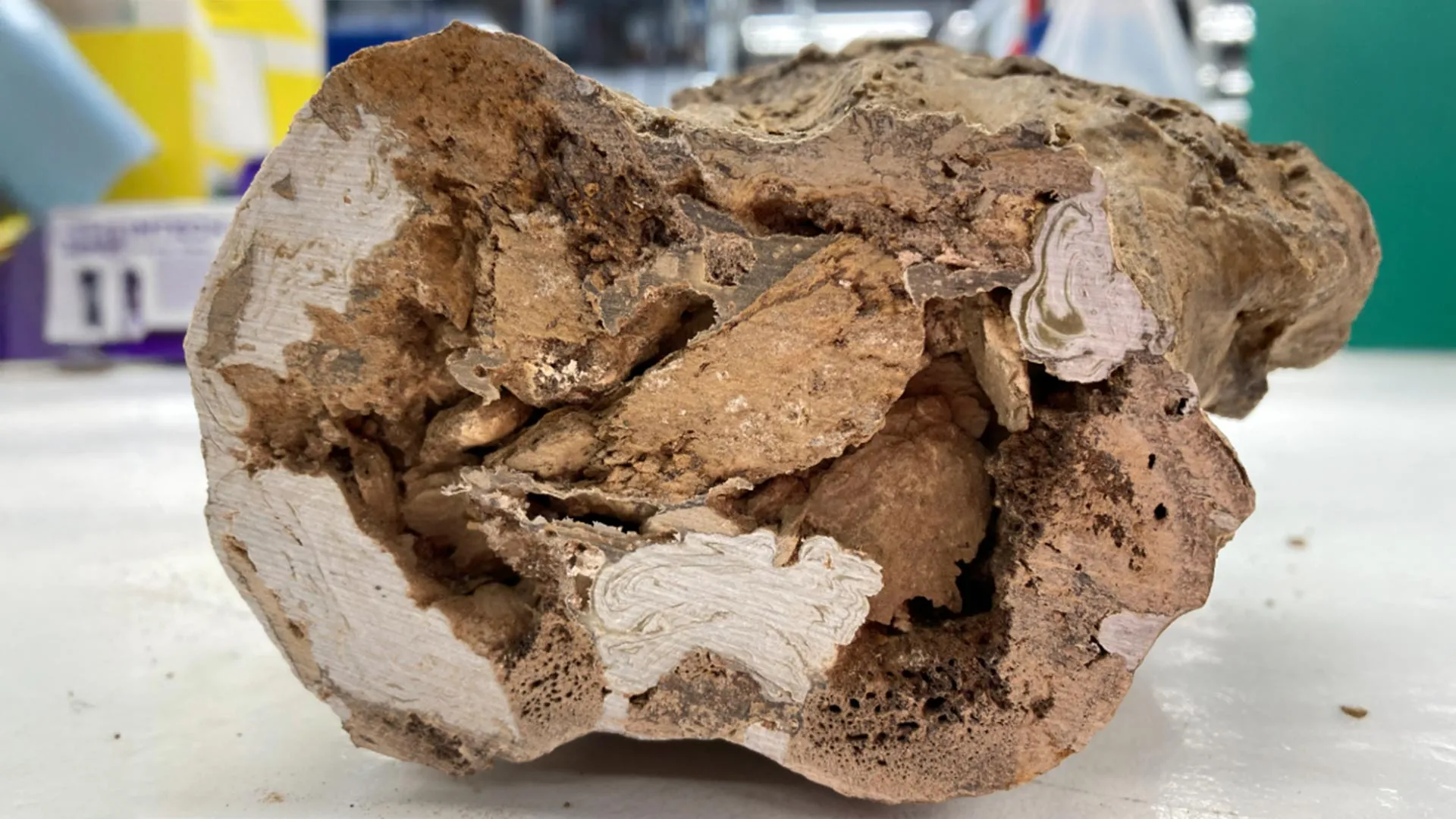
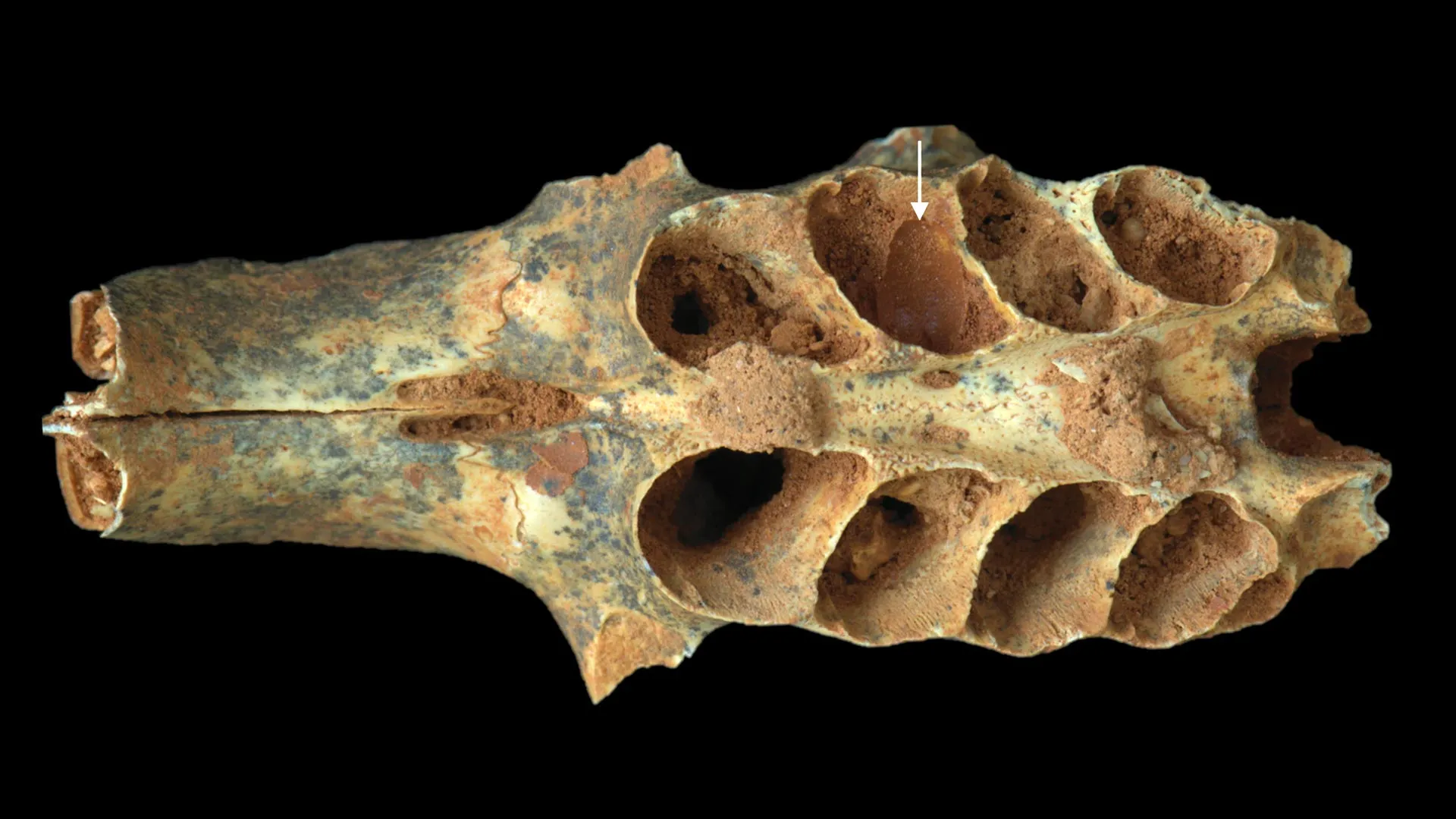
Fossil fragments unearthed in the United Kingdom have been identified as the remains of the largest scorpion ever known — a fearsome predator that measured more than a meter in length and prowled ancient Britain some 415 million years ago. The creature, named Praearcturus gigas, ranks among the first large predators to stalk the land in Earth's deep past.
With pincers roughly 16 centimeters long and an estimated body length exceeding a meter, Praearcturus gigas would have loomed over the floodplains of the Early Devonian Period. At a time when life on land was still a relatively new experiment, few other animals had reached such enormous sizes, leaving the giant scorpion with its pick of prey as it hunted smaller arthropods scuttling across primitive terrain.
The research, published in the journal Palaeontology, was led by Dr. Richard Howard, curator of fossil arthropods at the Natural History Museum in London. By re-examining fragmentary specimens collected long ago and comparing them with related species, the team pieced together a portrait of an animal far larger than any scorpion alive today, which rarely exceed 20 centimeters.
The fossils, including specimens from Wales, preserve telling anatomical clues. Some show flap-like structures known as epimera, similar to those seen in modern lobsters and crabs. That detail suggests Praearcturus may not have been purely a land animal: it could also have been a formidable aquatic hunter, feeding on fish and other sizable prey in the waters of Devonian Britain.
The discovery sheds light on a pivotal chapter in the history of life, when arthropods were among the pioneers colonizing the continents and, briefly, grew to gigantic proportions before vertebrate predators rose to challenge them. Such giants were possible in part because of the ecological vacancies of an early terrestrial world, where competition for the role of apex predator had barely begun.
Praearcturus gigas now joins a small, storied roster of supersized ancient arthropods — alongside millipede relatives and sea scorpions — that ruled the Paleozoic before evolution reset the scales. For paleontologists, the find is a vivid reminder that the early land was not a gentle place, but a frontier patrolled by armored hunters more than a meter long, their pincers poised over a world just learning to walk.