Scientists Discover Bizarre 275-Million-Year-Old Animal with Twisted Jaw
Tanyka amnicola belonged to an ancient lineage that was already a 'living fossil' in its time, featuring unusual jaw structure with sideways-pointing teeth.
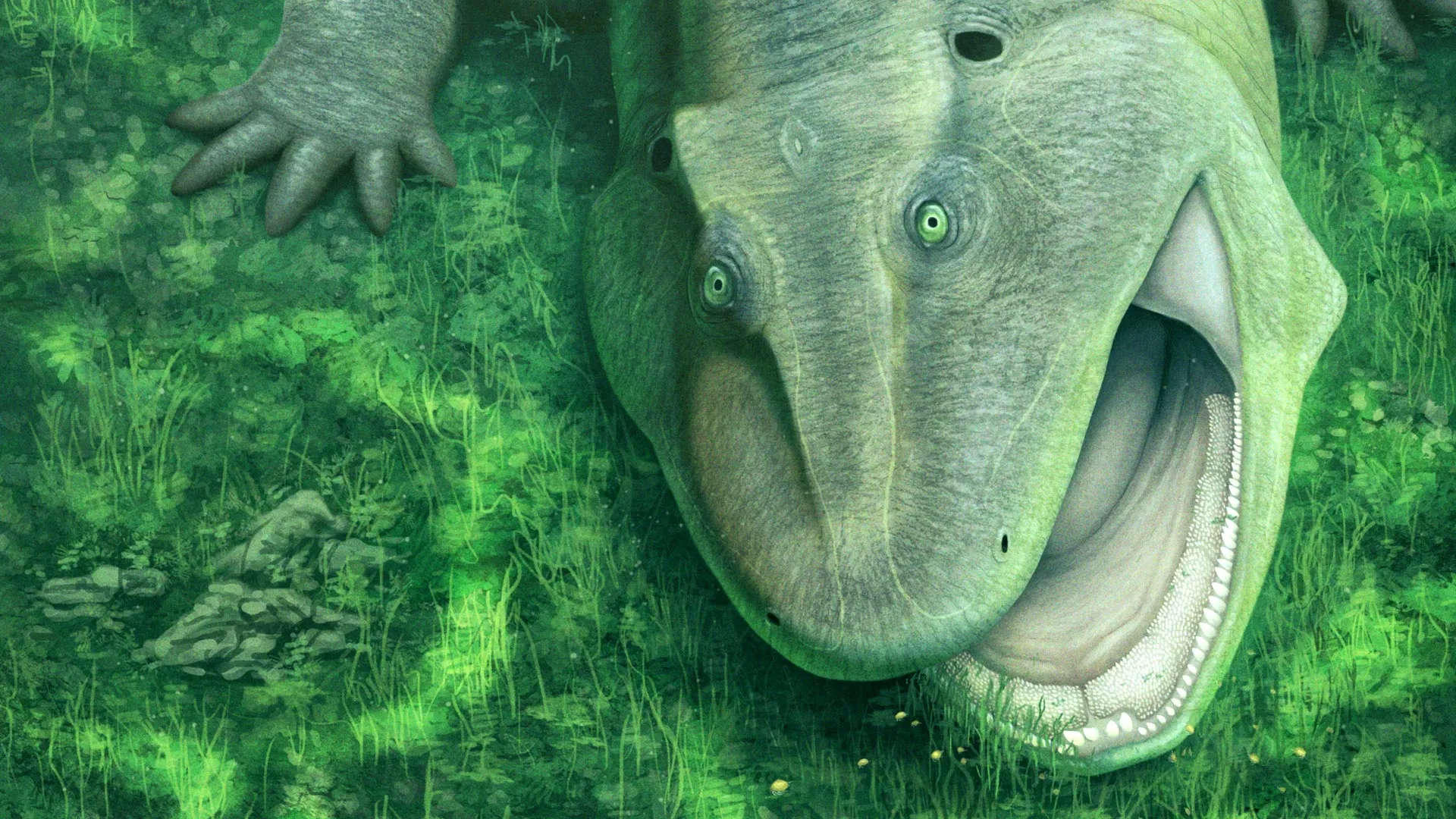
Paleontologists working in a dried riverbed in Brazil have uncovered fossilized remains of a previously unknown ancient animal that lived 275 million years ago and would have been considered a 'living fossil' even in its own time. The creature, named Tanyka amnicola, possessed a highly unusual twisted jaw structure unlike anything seen in modern animals, with some teeth pointing outward and sideways while smaller teeth lined the inner jaw surfaces. The discovery, published in Proceedings of the Royal Society B, provides new insights into early vertebrate evolution and the diversity of ancient ecosystems.
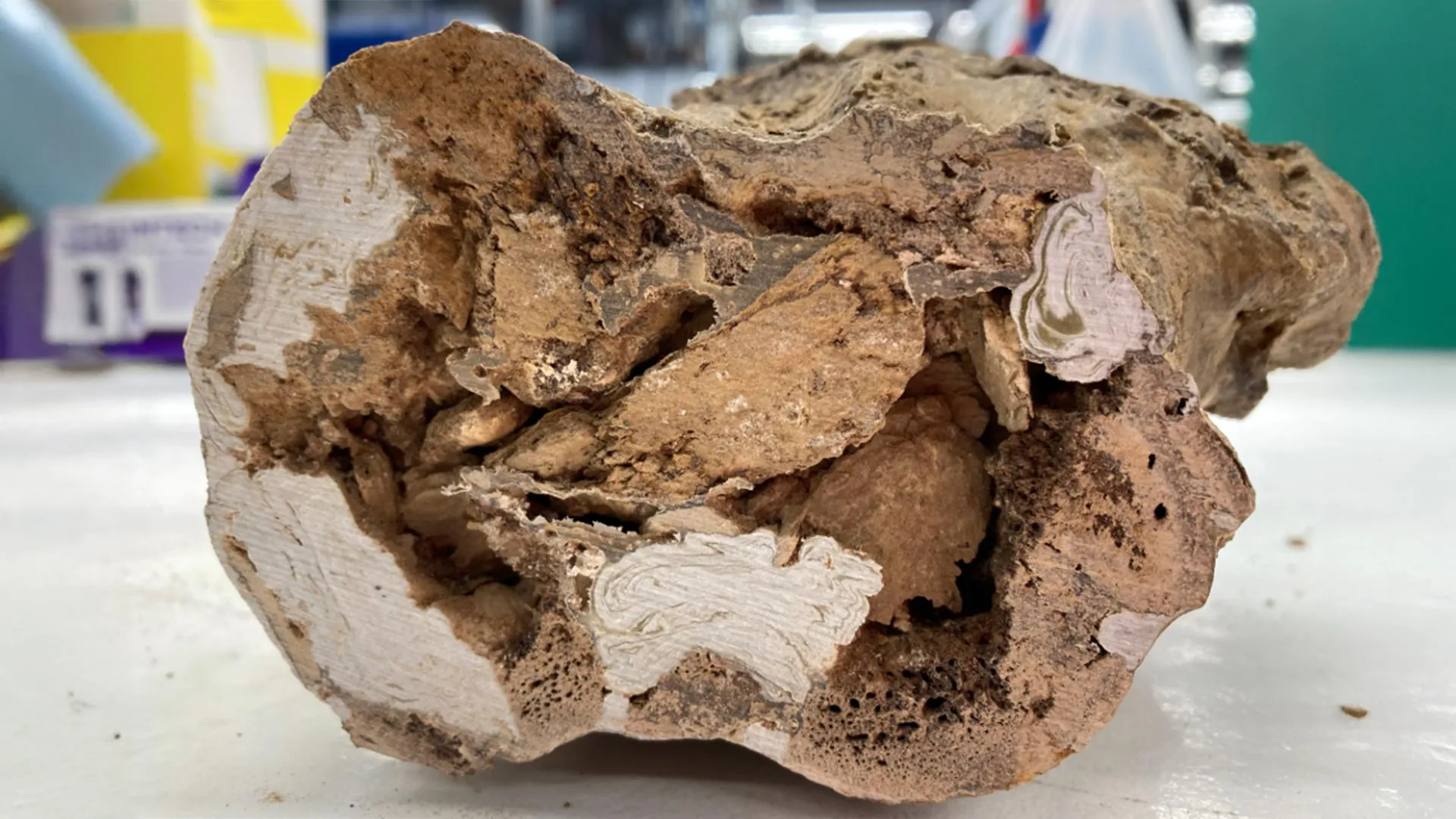
The research team, led by Jason Pardo during his post-doctoral fellowship at the Field Museum in Chicago, initially struggled to understand the jaw's bizarre configuration. The scientists recovered nine twisted jawbones, each about six inches long, from the forest site near the Amazon. The consistent appearance of the twisted structure across multiple well-preserved specimens confirmed that this was the animal's natural anatomy rather than a fossilization artifact or disease-related deformation.
Tanyka belongs to the broad group of vertebrates known as tetrapods, which includes all four-limbed animals with backbones. Specifically, it was a stem tetrapod—part of the ancient lineage that existed before tetrapods split into the two major groups that eventually led to modern reptiles, birds, mammals, and amphibians. The fact that Tanyka survived long after more 'modern' tetrapods had evolved makes it comparable to a platypus, which retains the primitive trait of egg-laying while most other mammals give birth to live young.
The twisted jaw structure suggests that Tanyka may have been among the earliest animals to grind plant material, representing an important evolutionary innovation in feeding behavior. The arrangement of sideways-pointing outer teeth combined with smaller inner teeth would have created an effective mechanism for processing vegetation, though much about the animal's overall anatomy and lifestyle remains unknown since no complete skeleton has been recovered.
The name Tanyka derives from the Indigenous Guaraní language meaning 'jaw,' while amnicola means 'living by the river,' reflecting both the animal's distinctive feature and its apparent habitat. The discovery adds to our understanding of the remarkable diversity that existed during the Permian period and demonstrates how some ancient lineages persisted alongside their more evolutionarily advanced relatives for millions of years before eventually becoming extinct.