Scientists Discover 'Lost World' of Advanced Animals 540 Million Years Ago
Fossil findings in China reveal complex creatures existed millions of years before the famous Cambrian explosion, rewriting the timeline of animal evolution.
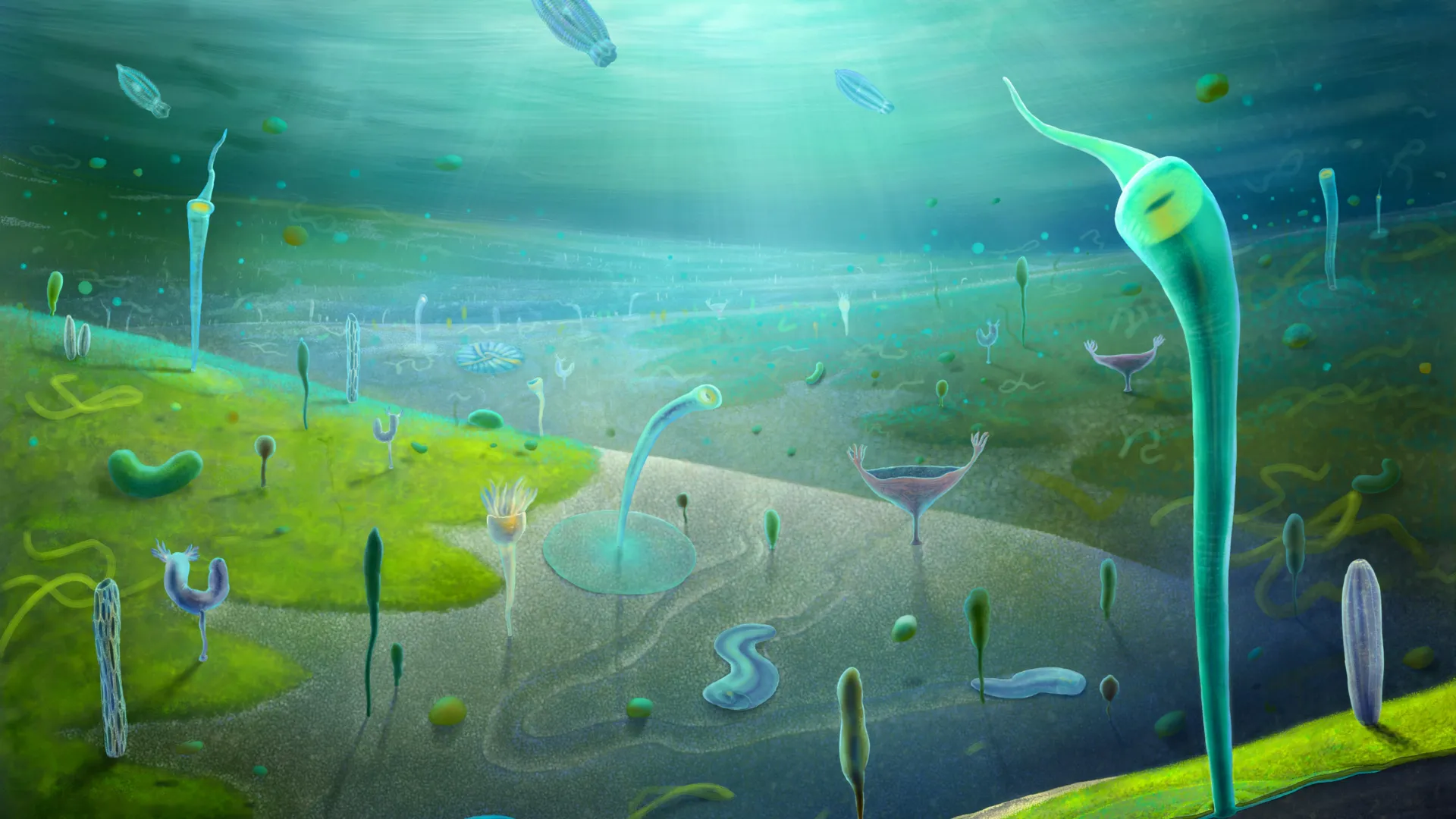
A remarkable fossil discovery in southwest China is fundamentally rewriting the story of animal evolution, revealing that complex life forms emerged millions of years earlier than previously believed. The Jiangchuan Biota in Yunnan Province has yielded more than 700 specimens dating from 554 to 539 million years ago, showing that the dramatic diversification of animal life began well before the famous Cambrian explosion. This discovery closes a major gap in understanding how Earth's most complex creatures first developed during the late Ediacaran period.
The international research team, led by Oxford University's Museum of Natural History and Yunnan University, has identified fossils that represent some of the oldest known relatives of major animal groups that exist today. Most significantly, they discovered what appear to be the earliest relatives of deuterostomes, a major group that includes all vertebrates such as humans, fish, and other animals with backbones. This finding extends the fossil record of our own evolutionary lineage back into the Ediacaran Period for the first time.
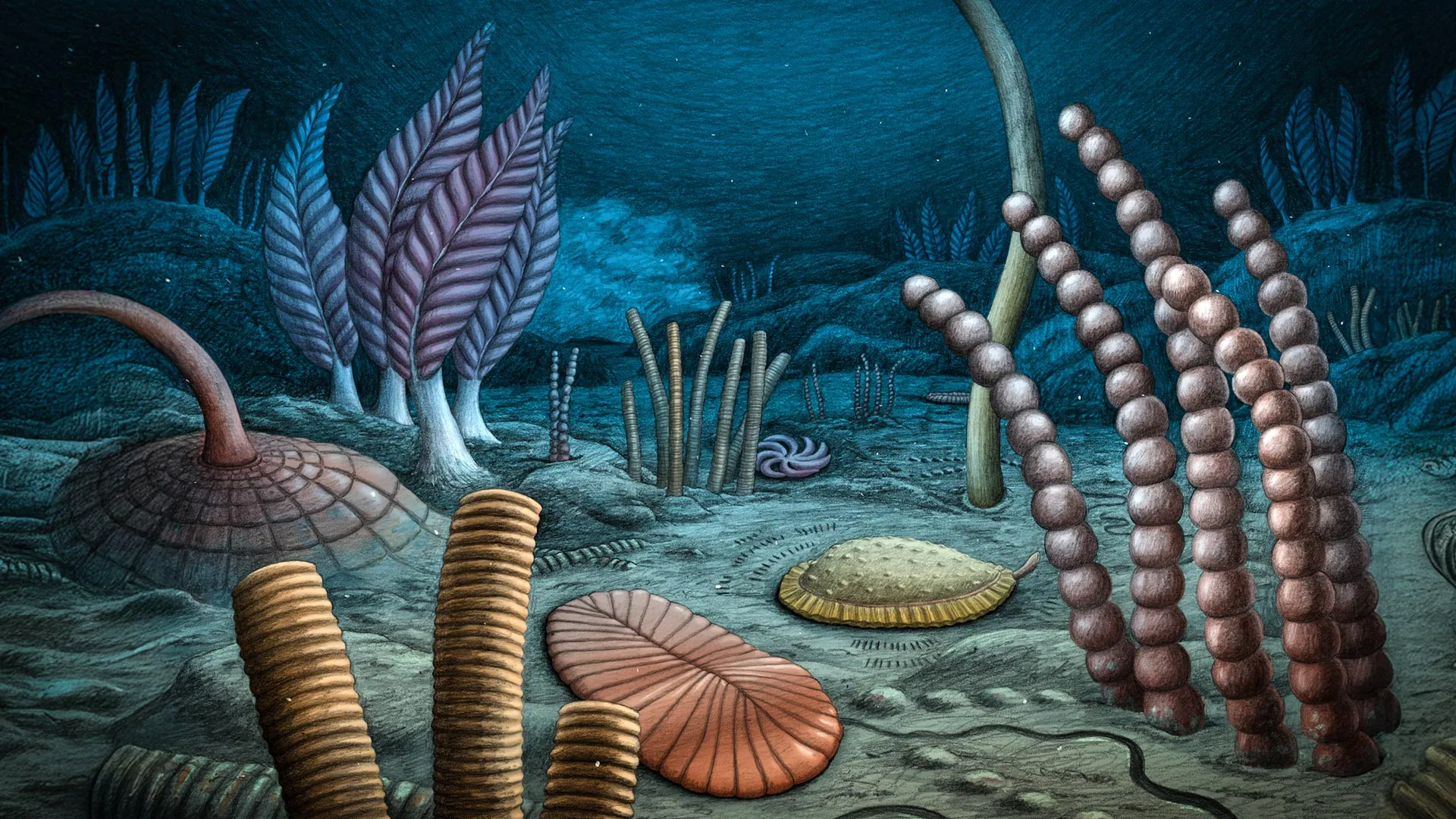
Among the most exciting discoveries are early relatives of starfish and acorn worms, collectively known as ambulacrarians. These ancient creatures had U-shaped bodies anchored to the seafloor by stalks, with tentacles near their heads likely used for capturing food. Dr. Frankie Dunn from Oxford's Museum of Natural History noted the broader implications: "The discovery of ambulacrarian fossils in the Jiangchuan biota also means that the chordates—animals with a backbone—must also have existed at this time."
The fossil collection also includes numerous worm-like bilateral animals displaying sophisticated feeding strategies, along with rare specimens believed to represent early comb jellies. Many fossils show unusual combinations of features, including tentacles, stalks, attachment discs, and specialized feeding structures that suggest these ancient ecosystems were far more complex than previously imagined. The diversity rivals what scientists have found in younger Cambrian deposits.
Lead author Dr. Gaorong Li, now at Oxford University, emphasized the paradigm shift these findings represent: "Our discovery closes a major gap in the earliest phases of animal diversification. For the first time, we demonstrate that many complex animals, normally only found in the Cambrian, were present in the Ediacaran period, meaning that they evolved much earlier than previously demonstrated by fossil evidence." This research suggests that the foundations of modern animal life were already being established over 540 million years ago, fundamentally changing our understanding of evolution's timeline.