Those 'Toothpick Grooves' on Ancient Human Teeth? They May Just Be Wear, Not the Oldest Habit
A study of more than 500 teeth from 27 wild primate species finds the same telltale grooves in apes that never use tools — undercutting a century-old assumption about early human behavior.
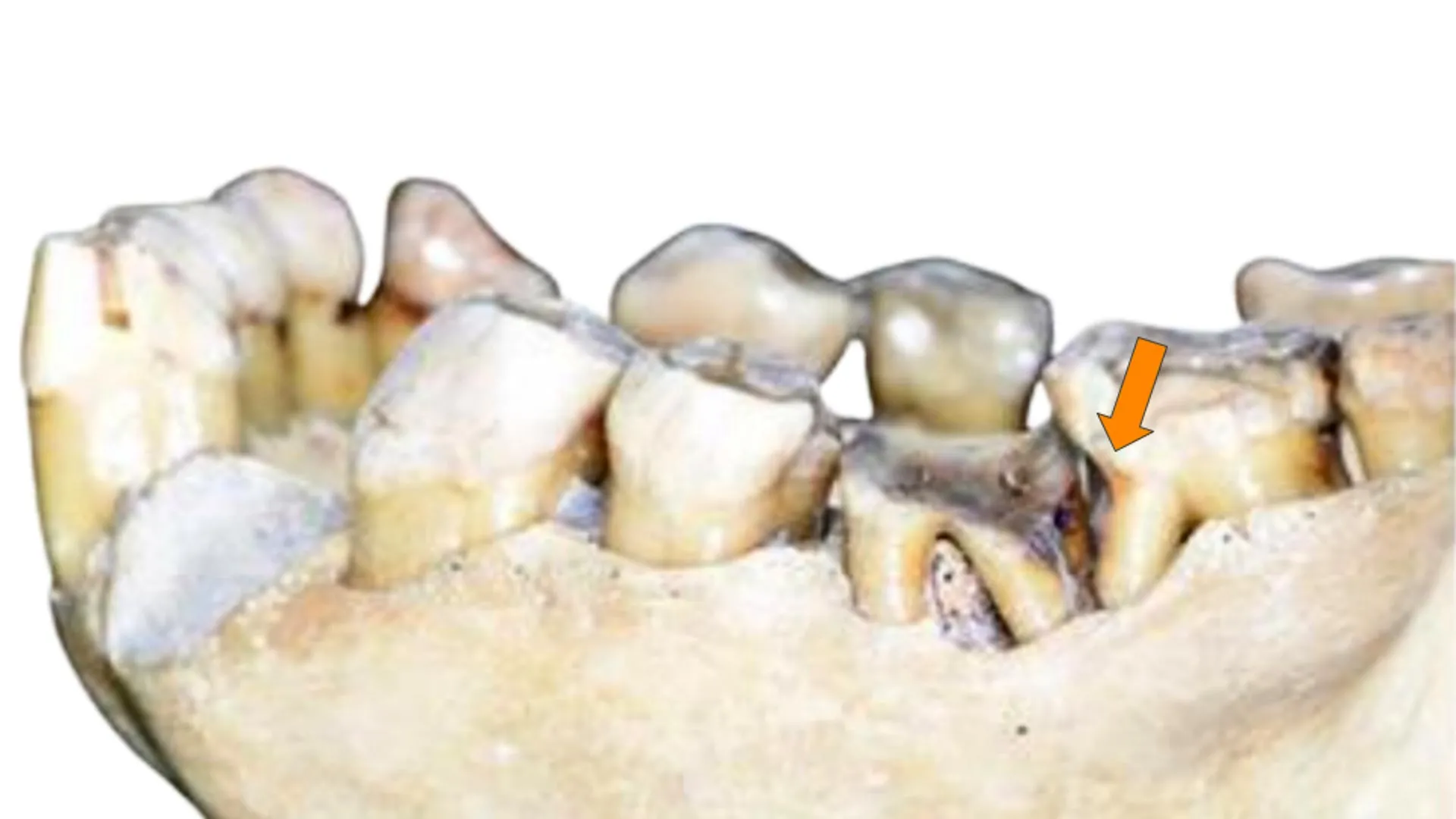
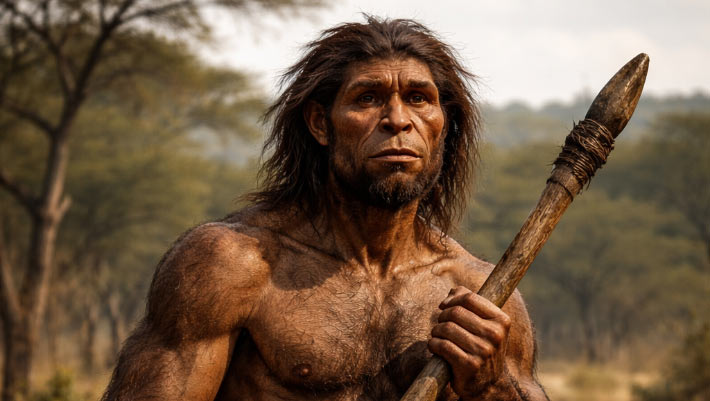
For more than a century, anthropologists have pointed to small grooves worn into the sides of ancient human and Neanderthal teeth as some of the earliest evidence of a familiar habit: picking one's teeth. Dubbed "toothpick grooves," the marks have been read as signs of tool use and rudimentary dental hygiene stretching back hundreds of thousands of years. A new study suggests that interpretation may be wrong.
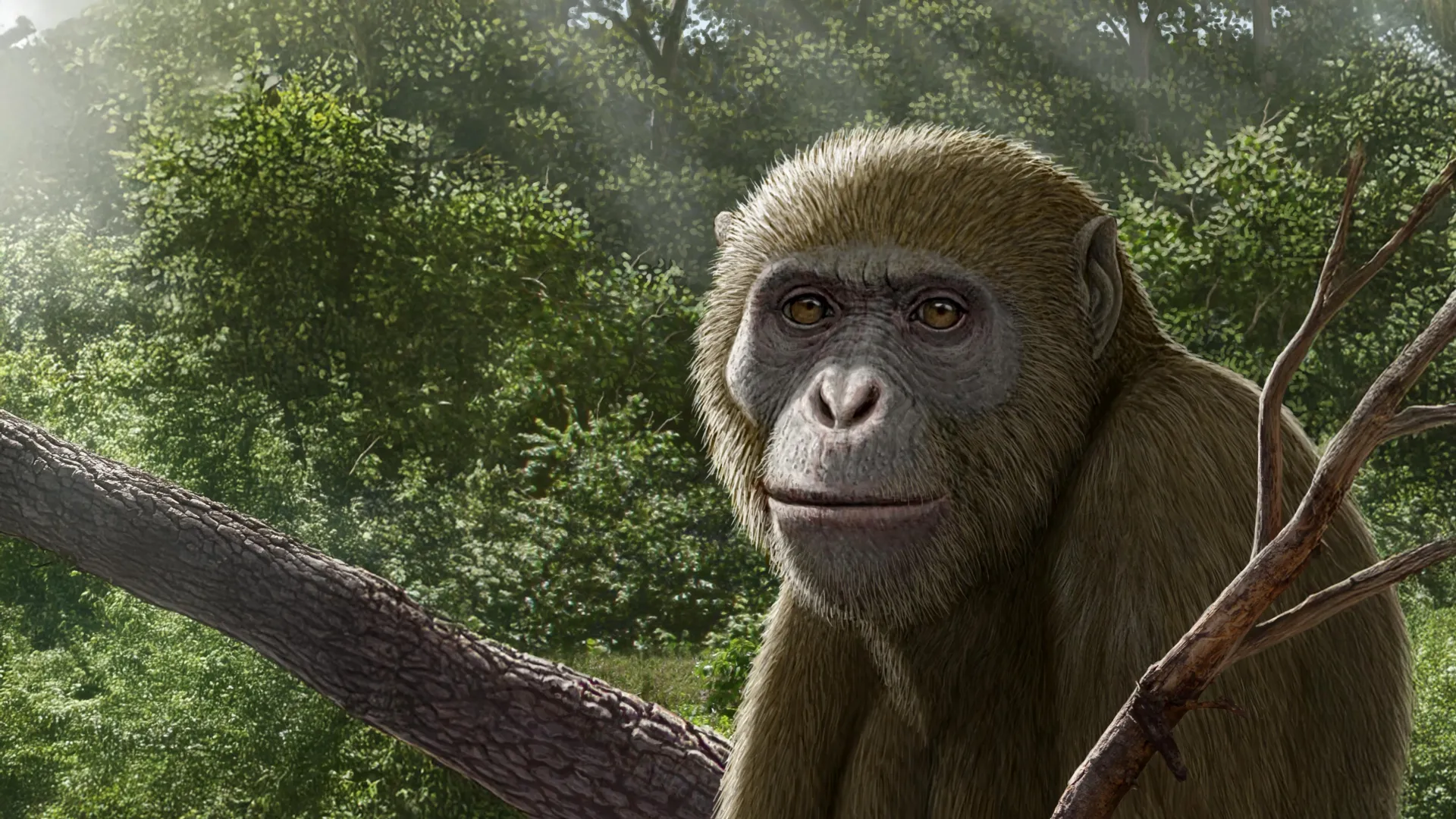
Researchers Ian Towle and Luca Fiorenza examined more than 500 teeth from 27 species of wild primates, both living and fossilized, and found the same kind of grooves in animals that have never been known to craft or wield tools. Deep grooves were etched into the teeth of wild orangutans, for instance — apes that do not make toothpicks. If a creature with no tools can develop the marks, the researchers argue, then tool use cannot be assumed as their cause in ancient humans either.
Their proposed explanation is far more mundane than a prehistoric dental routine: ordinary chewing. A lifetime of grinding tough, fibrous and abrasive plant material, the team contends, could slowly carve the characteristic lines into enamel near the gumline, no toothpick required. In that light, the grooves become a record of diet and wear rather than of behavior and culture — a subtle but important reframing of what the marks can actually tell us.
The study turned up a second surprise. Across those 500-plus wild primate teeth, the researchers found no trace of abfraction lesions — the deep, V-shaped notches that appear at the gumline in many modern human mouths and are often blamed on aggressive brushing or bite stress. Their absence in wild animals hints that some dental conditions widely treated as natural may instead be artifacts of contemporary human life and habits.
The reassessment is a cautionary tale about reading too much intention into the marks left on old bones and teeth. For decades, the toothpick-groove story offered a tidy, relatable image of early humans tending to their teeth much as we do. The new analysis does not prove that ancient people never picked their teeth, but it removes the grooves as solid evidence that they did — and reminds researchers that the simplest explanation, slow wear from a hard diet, often deserves the first look. The authors stop short of declaring the toothpick entirely a myth, but they argue that any claim about ancient tool use should now clear a higher bar of evidence, lest the marks of a hard meal keep being mistaken for the marks of a deliberate hand.