Soldiers Guard Milan as Thousands of Young Protesters March Across Europe, From Rome to Tirana
Italy kept Saturday's marches largely peaceful after last week's looting, but Albania's capital saw government buildings set ablaze and clashes broke out briefly in Rome and Turin.
Thousands of young people marched through Milan, Rome and Turin on Saturday as Italian authorities flooded the streets with police and soldiers, a largely successful effort to avoid a repeat of the violent clashes and looting that marred similar protests a week earlier.
The Milan march stayed peaceful, though there were brief clashes with police in Rome and Turin. Luxury boutiques in Milan's fashion district, including Omega, Tiffany and Gucci, boarded up their windows, and the Apple store shut down and stayed closed even after other shops reopened by late afternoon. Protesters chanted insults at Prime Minister Giorgia Meloni and carried banners reading "No to lies of the state." Some dumped manure outside Italy's energy regulator and burned an oversized symbolic electricity bill.
Meloni announced a package of measures that includes sending an additional 500 soldiers to Milan and tougher penalties for minors, who police say made up a large share of last weekend's violent protesters. The new troops join hundreds already stationed there, supporting about 5,000 police and other security personnel. Authorities also used drone surveillance, checks at railway stations, rapid-response units and online monitoring for calls to violence. Defense Minister Guido Crosetto said the soldiers had only recently been allowed to use plastic restraint ties, and only around train stations. They are not authorized to carry pepper spray or tasers, he said.
Milan police say last week's looting involved about 2,000 very young protesters, many of them second-generation Italians, along with foreign nationals. Over two days, police arrested 45 people, including 34 minors. Officials said Saturday they were investigating a 30-year-old freelance journalist said to be behind the newly formed Oct. 17 movement, which has driven the recent protests in Italy. Milan Mayor Giuseppe Sala is not seeking another term, and mayoral hopeful Pierfrancesco Majorino joined the marchers, remarking on how calm the day was.
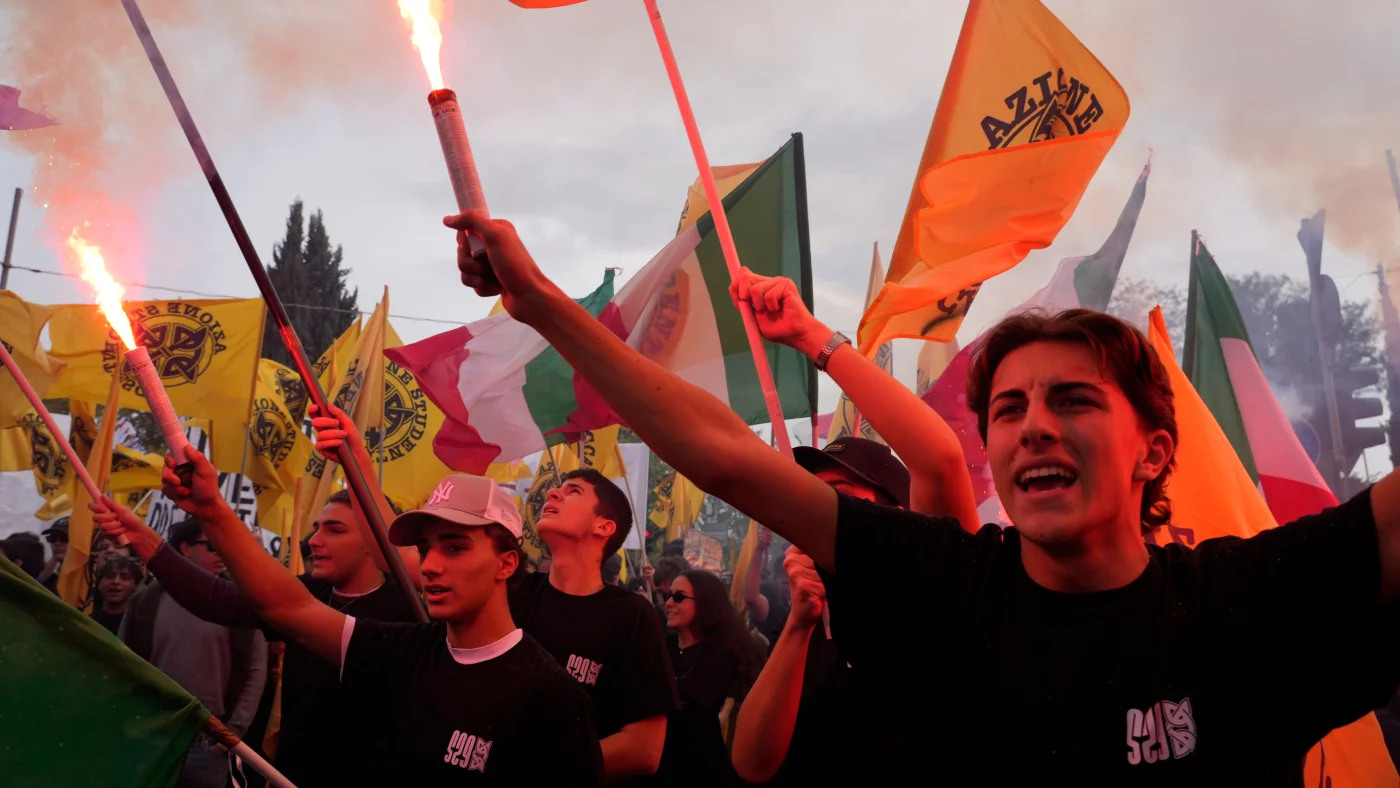
In Rome, security forces locked down luxury shopping streets. A small number of protesters tried to force their way into the Colosseum before guards ushered them out. A separate anti-war march briefly clashed with police near the Piazza della Repubblica, where officers used batons, tear gas and finally a water cannon before the crowd withdrew. Elsewhere in the capital, members of right-wing student groups marched in a demonstration called "Unlock Everything" to stress they were not rioters.
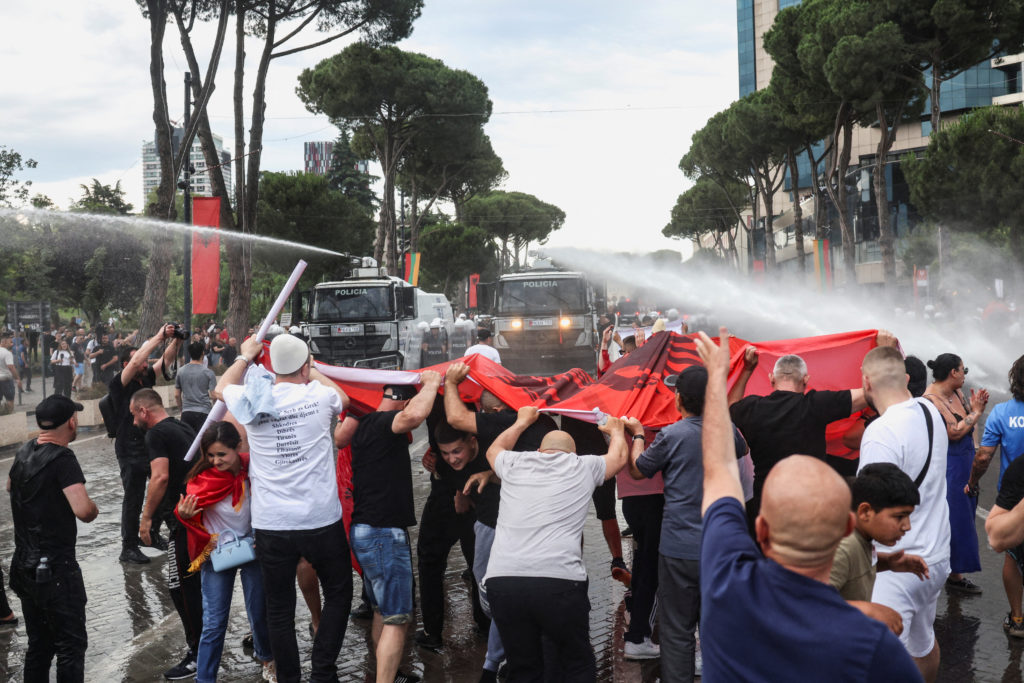
The unrest reaches well beyond Italy. Demonstrations also took place in Madrid, Lisbon and Tirana, covering education, corruption, anti-war causes, pensions and housing. In Albania's capital, riot police used water cannons on large crowds, and some protesters set government buildings on fire and threw projectiles at officers. Authorities said 2,500 officers patrolled the streets. Students there are demanding lower tuition and greater investment in education, and some have joined a broader movement calling for the resignation of Socialist Prime Minister Edi Rama, who said his government was preparing a response and warned violent protesters would face penalties.
In Madrid, thousands of retirees marched peacefully to demand that public pensions not be touched. The protest comes ahead of next month's snap election, as Prime Minister Pedro Sánchez's Socialists accuse the conservative Popular Party of floating the privatization of pensions.
Large demonstrations in France have drawn most of the international attention this month. Saturday showed the anger over costs, jobs and politics now stretches across the continent, and governments are answering with troops, tougher laws and promises of talks.