Lawmakers Push Trump to Approve Delayed Taiwan Arms Sale Ahead of Xi Meeting
The administration has held up weapons sales for months as the president prepares for his summit with Chinese President Xi Jinping this week.

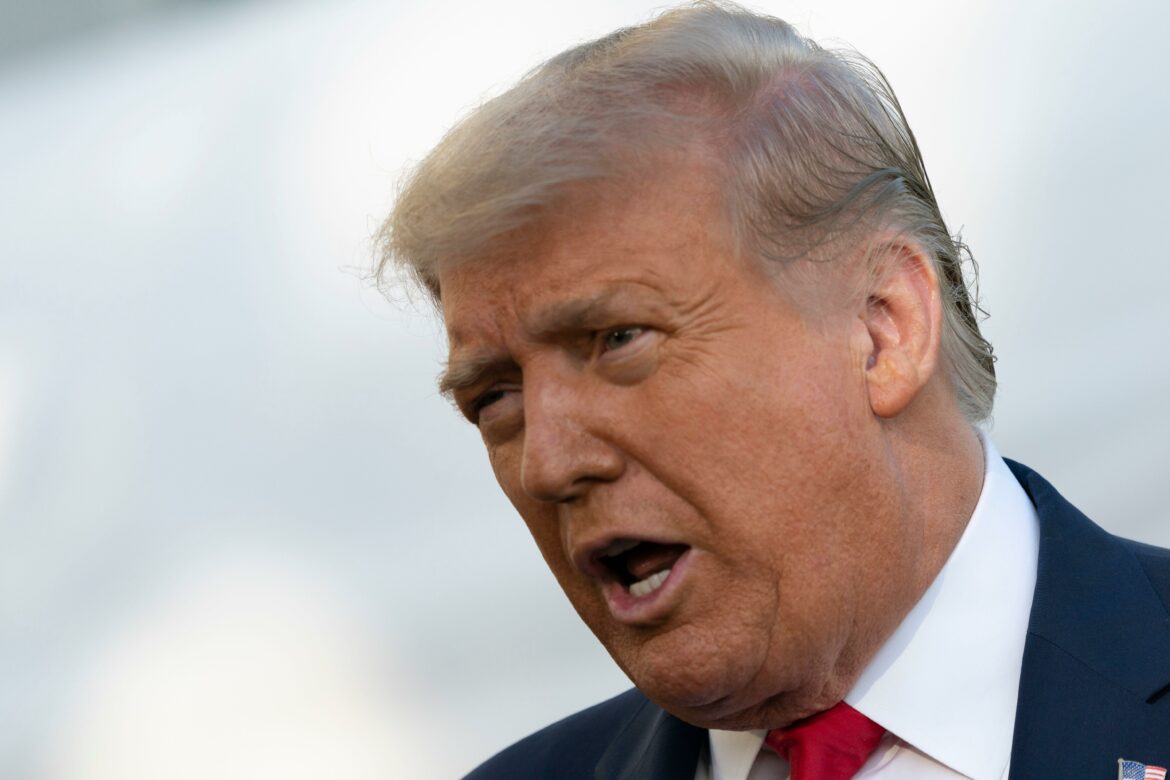
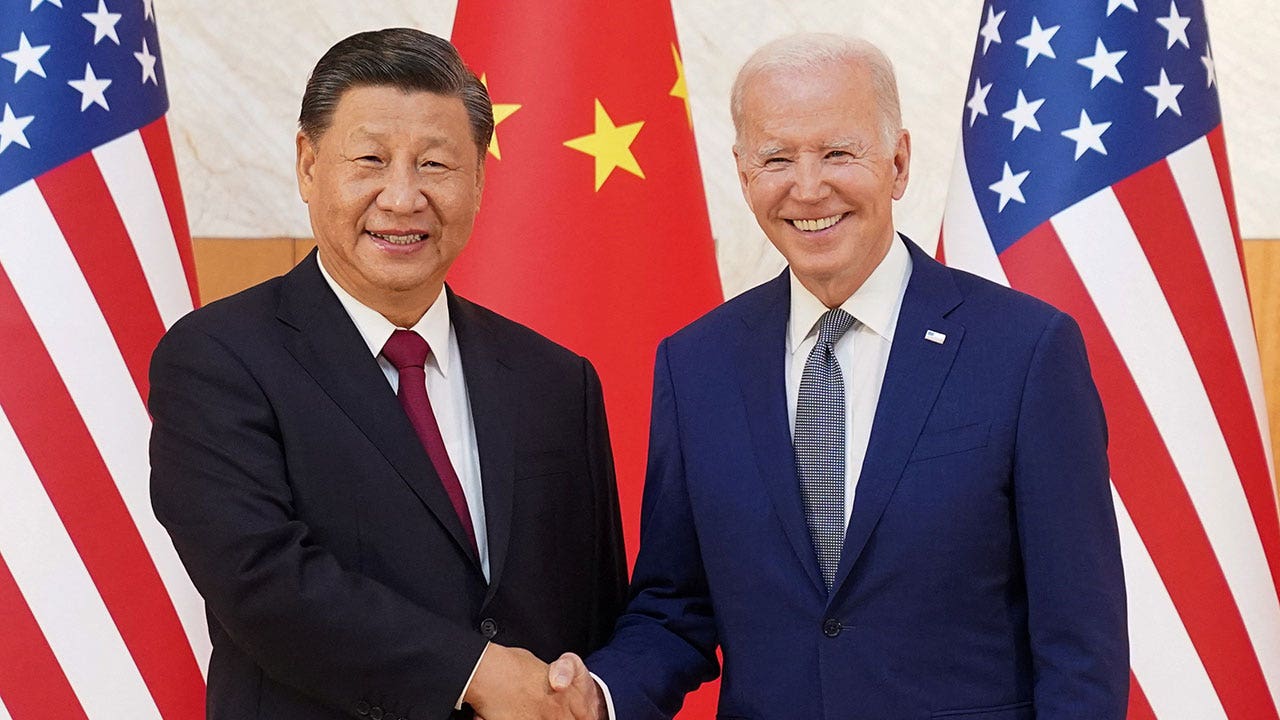
Congressional lawmakers are urging President Trump to move forward with a long-delayed arms sale to Taiwan, as the administration faces mounting pressure to clarify its position ahead of Trump's planned meeting with Chinese President Xi Jinping this week. The weapons package, which has been stalled for months, has become a flashpoint in U.S.-China relations and a test of American commitment to Taiwan's security. Members of both parties are expressing concern that the delay signals a willingness to use Taiwan's defense needs as a bargaining chip in broader negotiations with Beijing.
The Trump administration has reportedly held up the arms sale as part of its preparation for the high-stakes summit with Xi. This delay represents a significant departure from previous American policy, which has traditionally treated Taiwan arms sales as routine matters of defensive assistance rather than diplomatic leverage. The pause has created uncertainty about American commitments to the island democracy, which China claims as its territory and has threatened to take by force if necessary. Taiwan's government has publicly expressed concerns about the delay, though it has avoided directly criticizing the Trump administration.
Lawmakers from both parties have written to the administration expressing alarm about the timing of the delay. They argue that postponing weapons deliveries undermines American credibility and sends the wrong signal to both allies and adversaries in the region. The concern is particularly acute given China's increasingly aggressive posture toward Taiwan, including regular military flights near the island and naval exercises in the Taiwan Strait. Congressional sources suggest that the delay could embolden Beijing to take more aggressive actions, believing that American support for Taiwan is wavering.
The arms sale in question includes advanced defensive weapons systems that Taiwan has requested to help deter potential Chinese aggression. Military analysts note that these weapons would significantly enhance Taiwan's ability to defend itself, making any potential invasion far more costly for China. The delay in delivery not only affects Taiwan's immediate security but also impacts the broader regional balance of power. Regional allies, including Japan and South Korea, are closely watching how the United States handles this situation as an indicator of American reliability.
The controversy over the Taiwan arms sale highlights the complex intersection of security commitments and economic interests that will likely dominate Trump's meeting with Xi. While the president may view the weapons package as leverage in trade negotiations, critics argue that such an approach fundamentally misunderstands the strategic importance of Taiwan to regional stability. The outcome of this debate will signal whether the Trump administration is willing to maintain traditional security commitments or if everything is now subject to negotiation in pursuit of economic gains. As the Beijing summit approaches, the pressure on Trump to clarify his position continues to mount from both Congress and regional allies.