Bessent Will Buy Back $6 Billion in Bonds. The 10-Year Went to 4.85% Anyway
That's the highest since October 2023, with the national debt past $40 trillion. Analysts told CBS News the buyback is 'tinkering on the periphery.'
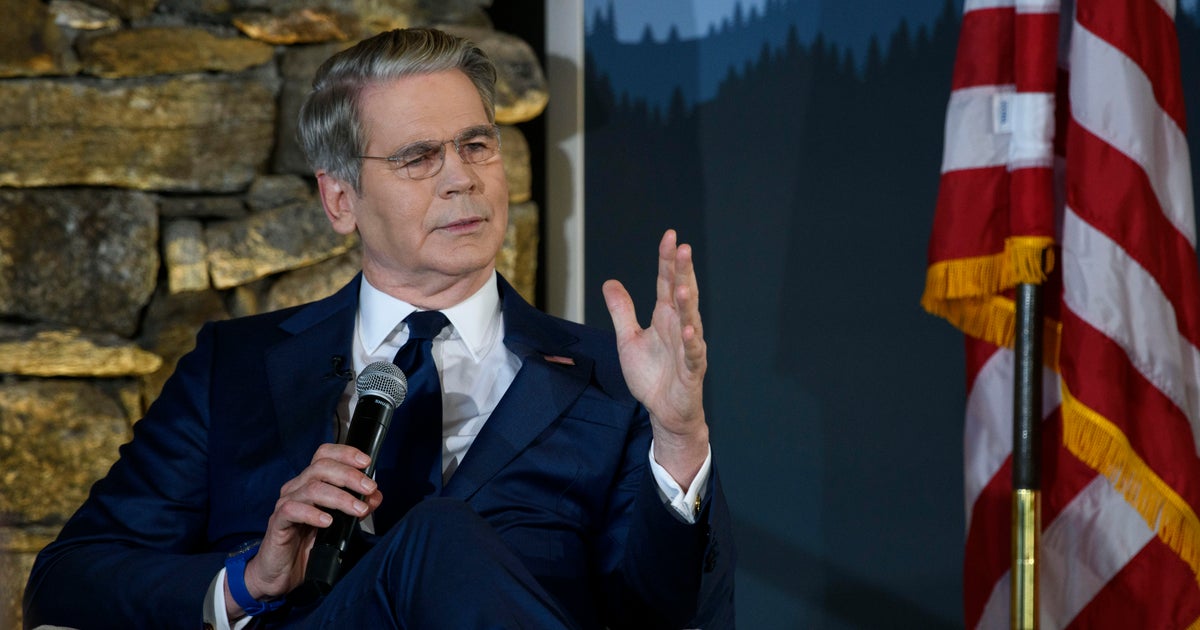
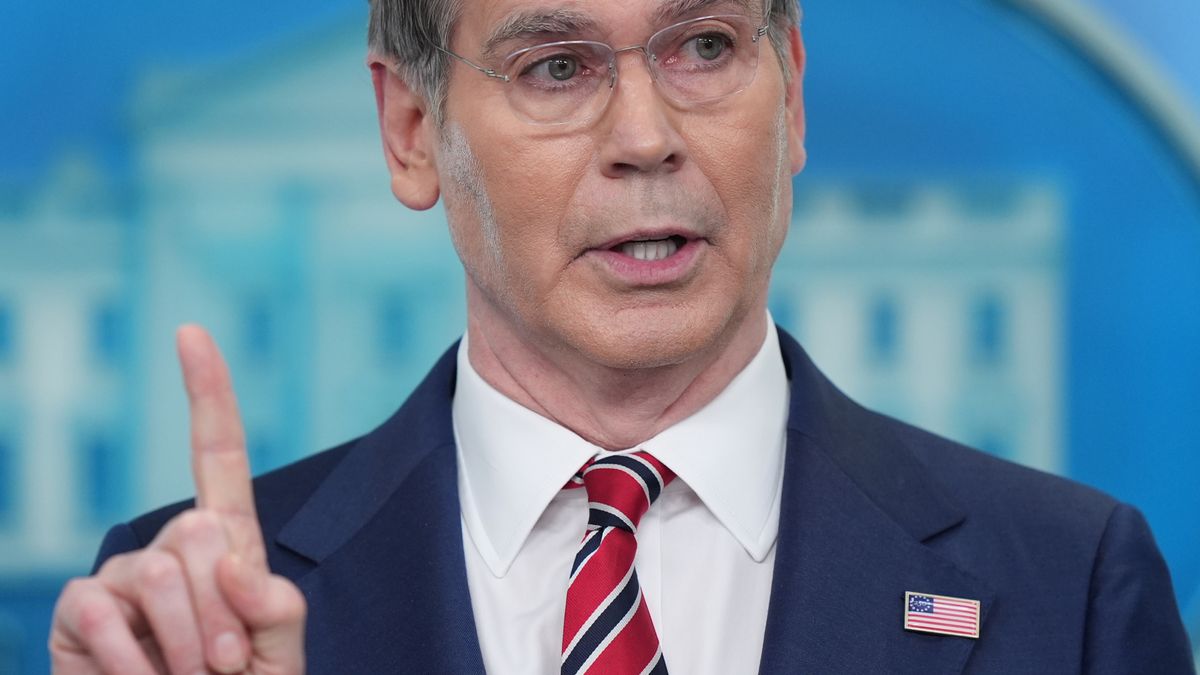
Treasury Secretary Scott Bessent said Wednesday that the department will buy back up to $6 billion in long-term government bonds, an attempt to push down yields that have been climbing all year and dragging borrowing costs up with them.
It did not work that day. The 10-year Treasury rate — the benchmark that sets the tone for mortgages — rose to 4.85% from 4.80% late Tuesday, its highest level since October 2023. The 2-year, which tracks expectations for Federal Reserve rate decisions, rose to 4.42% from 4.39%.
The mechanics of a buyback are simple enough. The government purchases outstanding bonds, which shrinks the supply available to investors, which pushes prices up. Bond prices and yields move in opposite directions, so higher prices mean lower yields. "They are repurchasing bonds that have been around for a while and are a smaller part of the market, but the Treasury thinks this will constrain 20- to 30-year yields from rising and put downward pressure on 10-year yields too," Mike O'Rourke, chief market strategist at JonesTrading, told CBS News. Treasury had already promised last month to "at least" double its buybacks to $4 billion.
The problem is what is pushing yields up in the first place. Rising yields are investors demanding more compensation to hold U.S. government debt, and there is a great deal more of it: the national debt passed $40 trillion in August, having doubled in under a decade. "If you want to get Treasury yields under control, you would tackle that issue," O'Rourke said. "Instead, we are tinkering on the periphery of the market, and that's not a real solution."
Columbia Business School economist Brett House made the same point from a different angle. The buyback "doesn't solve the fact that the U.S. is running a large deficit that needs to be financed," he told CBS News. "Unless Bessent forces the Fed to print money to buy these bonds, it is still coming out of Treasury revenues, and doesn't cure the fact that this government is building up a deficit and as a result is going to have to issue more debt." Buying bonds with borrowed money leaves the balance sheet where it started.
Other Wall Street analysts were similarly unconvinced. "The simplest version here is that market interventions have a long history of not working very well," Guy LeBas, chief fixed-income strategist at Janney Montgomery, told the Associated Press. Wrightson ICAP chief economist Lou Crandall said Wednesday's operation mostly keeps the "guessing game going a little while longer," since the six remaining bond-sector operations scheduled through Nov. 4 will each be "$4 billion or more." Markets, he said, will now assume $6 billion is the floor for the next 30-year buyback on Sept. 24, "but we may not actually know until the details of that operation are announced on the morning of September 23."
The politics of all this arrive on a short fuse. Higher Treasury yields feed straight into mortgage rates, car loans and business borrowing, and they tend to weigh on stock prices — three things voters notice within weeks. The announcement came a day before President Trump promised a $5,000 dividend to every adult citizen if Republicans hold Congress, a proposal that would add more than $1 trillion to the same deficit the bond market is already pricing. Additional pressure has come from abroad: continued weakness in the Japanese yen has prompted Tokyo to repeatedly sell Treasury securities to prop up its currency, and a record wave of corporate issuance — with AI companies alone accounting for more than $1.5 trillion in new borrowing — is competing for the same pool of money.