Austin Has 4,500 Empty 'Affordable' Apartments. The People Who Need Them Are Living on Blood-Plasma Money
There are 11 million extremely low-income renter households in America and about 4 million homes they can afford. The main federal program built 12% of its 2024 units for them.
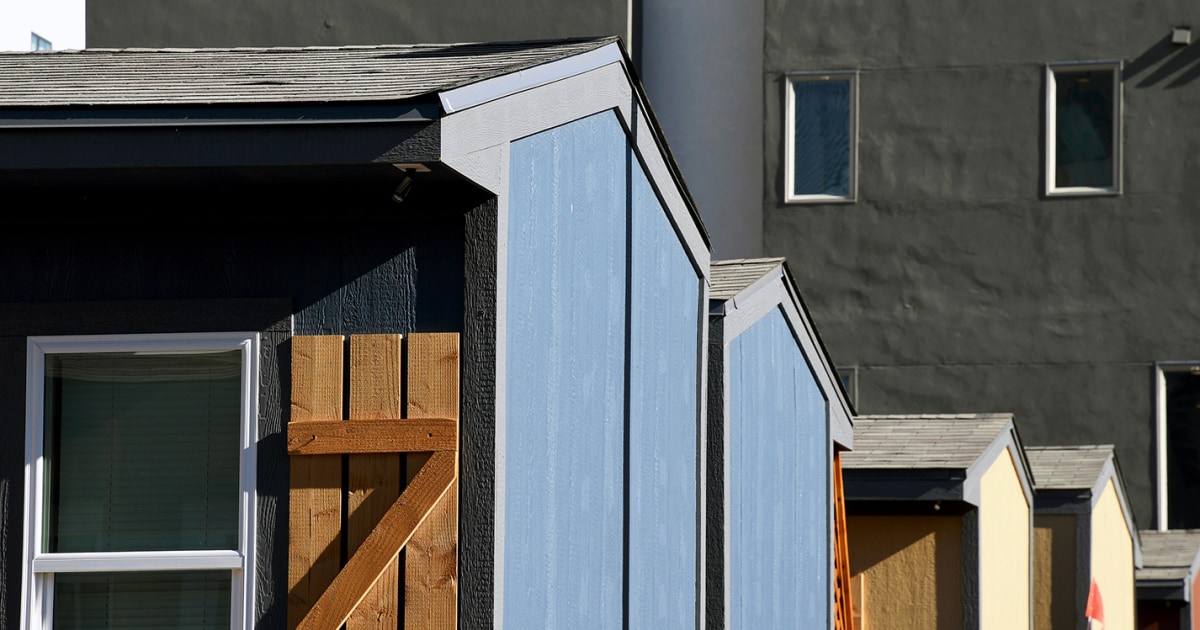
AUSTIN, Texas — Mathew Davis, 49, lives in a homeless shelter and makes a few hundred dollars a month donating blood plasma. A tiny home renting for $450 a month, with no running water and a shared bathroom down the path, would still be a stretch for him. "I don't make enough money really to afford anything," he said. "I just keep trying to swim uphill."
Roughly 4,500 units in Austin that the city classifies as affordable — nearly 16% of them — are sitting empty.
That contradiction is the shape of the American affordable-housing shortage right now. The country has about 11 million extremely low-income renter households and only about 4 million rental units they can actually afford, according to the National Low Income Housing Coalition's most recent annual report. "Extremely low income" means an annual income below the federal poverty guidelines — just under $16,000 for a single person — or 30% of the local median, whichever is higher. Those households are about a quarter of all renters in the country. They include people working low-wage jobs, seniors, and people with disabilities on fixed incomes. About three-quarters of them spend more than half of their income on rent and utilities.
The main federal tool for building affordable housing is not aimed at them. The Low-Income Housing Tax Credit, which gives developers tax credits in exchange for holding rents down for at least 30 years, financed nearly 4 million units in its 40 years. But homes set aside for extremely low-income renters accounted for only about 12% of the units it financed in 2024, according to figures from the National Council of State Housing Agencies. The majority went to households earning at least 50% of area median income. In Austin, that is a single person making roughly $47,000 — against an extremely low-income worker earning under $28,000. As rents in those units drift toward market rates, some cities are watching vacancies climb while shelters stay full.
The arithmetic is brutal even for developers who want to go lower. True Ground Housing Partners, which builds affordable housing around Washington, D.C., says a unit priced for someone earning 60% of area median income — nearly $70,000 a year — brings in $1,715 a month. After $1,575 in mortgage and operating costs, $140 is left.
Chris Edwards, an economist at the libertarian Cato Institute, argues the program is the problem. "It's enormously complex and bureaucratic, and it raises the cost of construction enormously because the rules are so complicated," he said, adding that its complexity has "spawned" an industry of law and accounting firms that exist to administer it. "If you're going to subsidize affordable housing, you should give the money directly to tenants." Other experts counter that the two programs are designed to work together, since tax-credit properties are required to accept housing vouchers while market-rate landlords in many states are not.
The catch is that the vouchers barely exist. Experts estimate only about one in four eligible families ever receives one, and waitlists run for years.