The Justice Department Wants 1,000 Election Monitors in November. Their New Assignment Includes Voter Fraud
For decades the Civil Rights Division sent lawyers to polling places to protect voters from discrimination. Harmeet Dhillon is emailing staff to sign up for something broader.
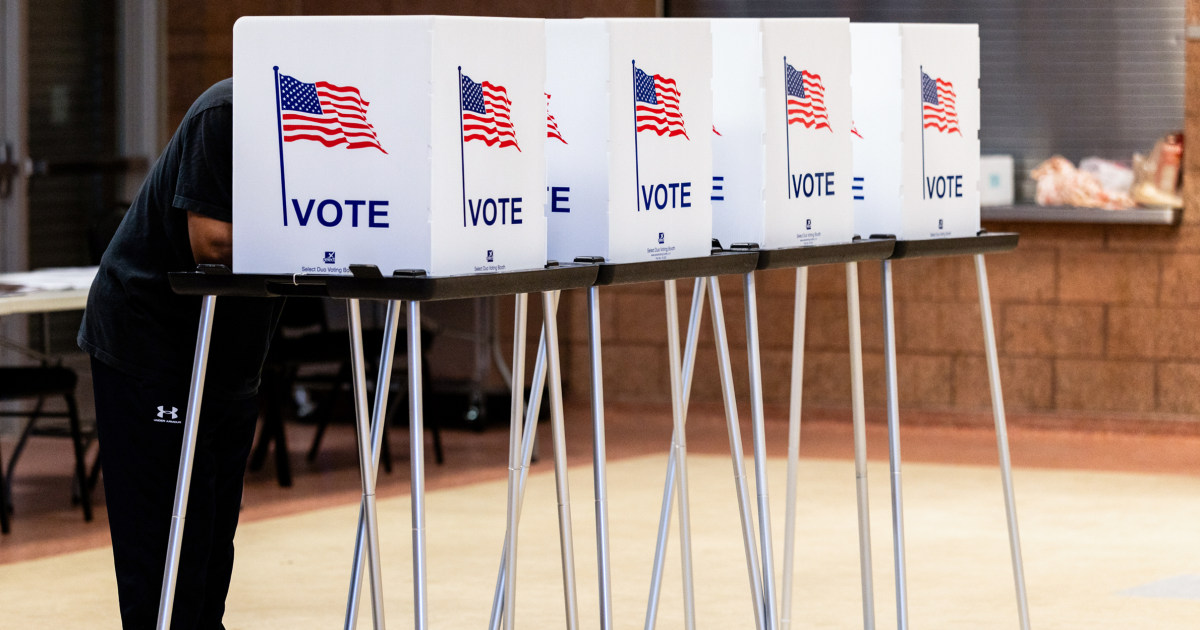
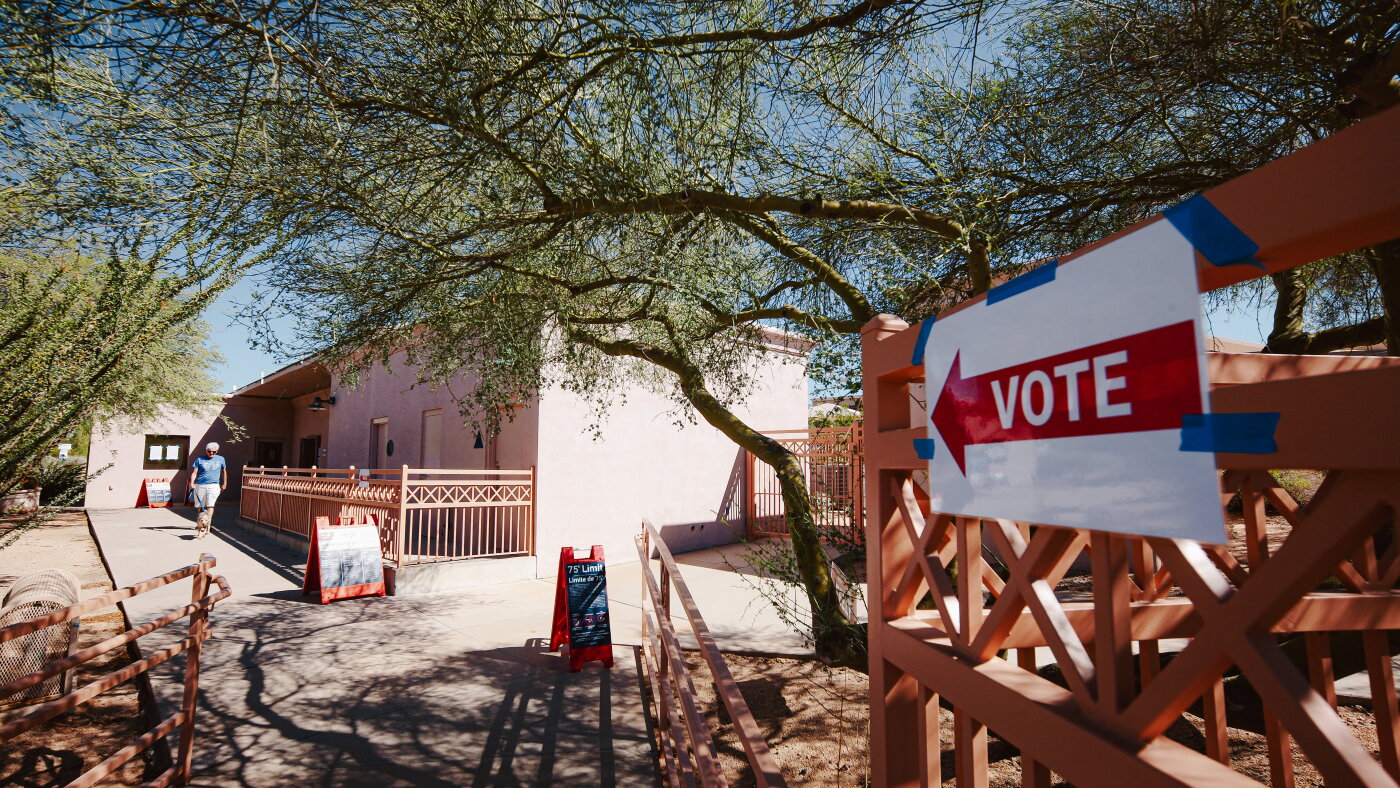
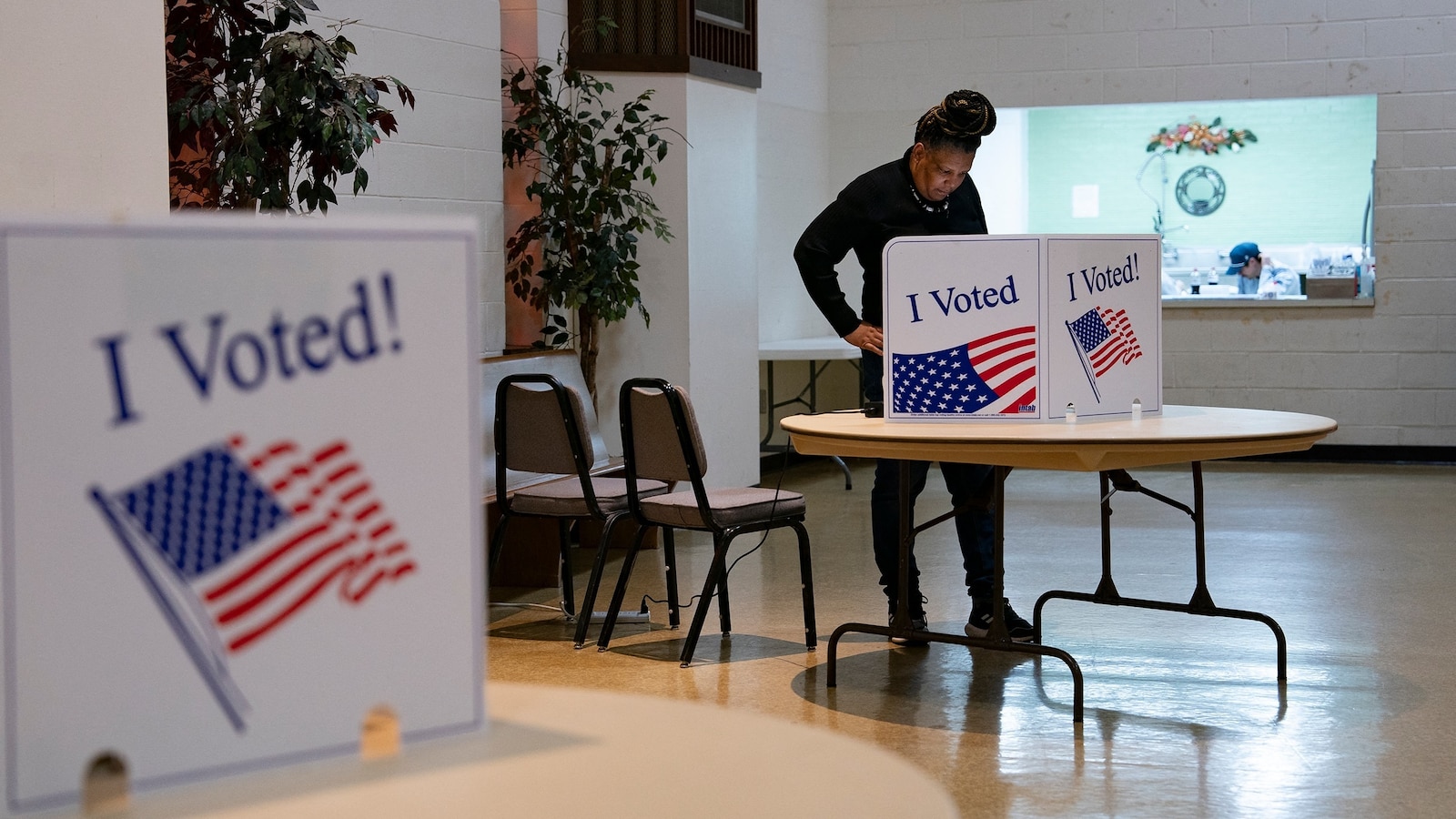
WASHINGTON — For roughly six decades, the Justice Department's Civil Rights Division has sent lawyers to polling places on Election Day for a narrow and well-defined purpose: to watch for voters being turned away or obstructed because of their race, their disability, or the language they speak. For November's midterms, the Trump administration is retooling that effort and adding a second assignment to it — looking for voter fraud.
Harmeet Dhillon, the Republican lawyer who co-chaired Lawyers for Trump during the 2020 election and now runs the division, emailed employees asking them to serve among the 1,000 monitors she wants deployed for the midterms, according to a person familiar with the matter. The division has solicited its staff lawyers to serve as monitors many times before. What is different is the scale and the mandate. The nationwide monitor count has never reached 1,000, and it is unusual for fraud to appear anywhere on the agenda of a unit built to enforce the Voting Rights Act.
The division doing the monitoring is also not the division that did it before. Many career employees have left or been pushed out and replaced by conservative hires, some of whom back President Donald Trump's false claim that he won the 2020 election. NBC News spoke with a half-dozen Justice Department veterans about the plan. Several said they worried the monitors could be used to cast doubt on results the president does not like — that a corps of federal lawyers dispatched to look for fraud will be under pressure to find some.
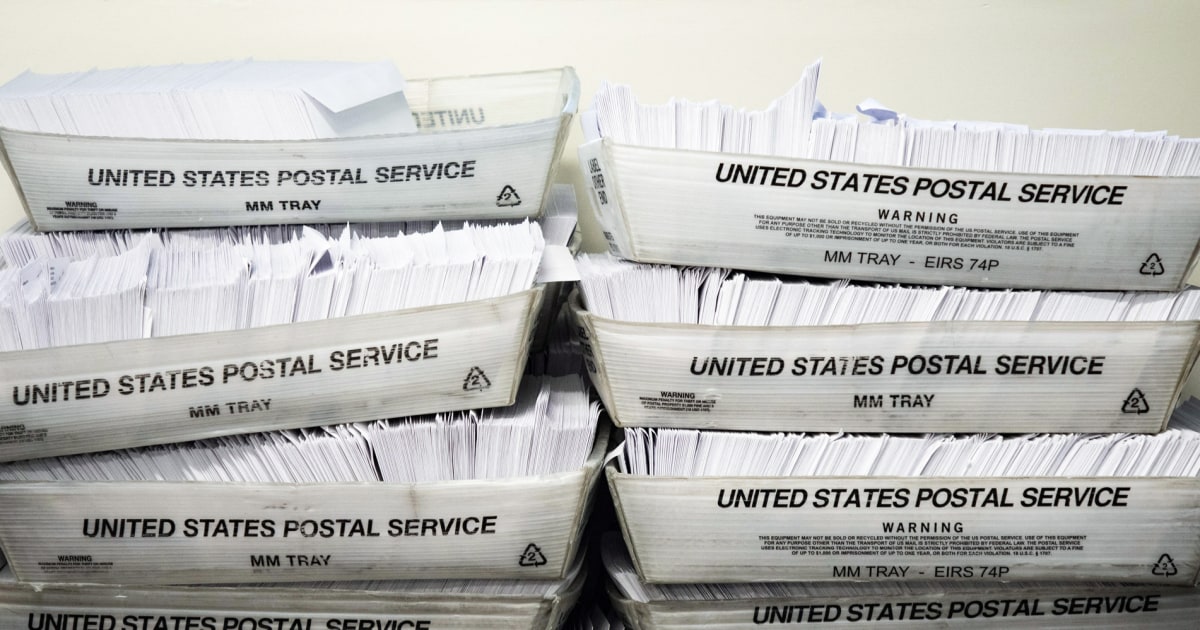
The monitoring push lands in the middle of a broader federal effort to reach into election administration, which the Constitution largely leaves to the states. The administration has been fighting in court over a Postal Service rule, stemming from an executive order Trump signed in March, that would let the USPS track mail-in ballots and potentially reject ballots sent to or from voters not listed in a federal database. U.S. District Judge Indira Talwani blocked the rule on Sept. 4, writing that implementing it fewer than 70 days before the November election "threatens disenfranchisement of millions of United States citizens who seek to vote by mail." The administration went to the Supreme Court over it two days later — the third time it has escalated that fight to the justices.
North Carolina began mailing ballots to voters last week, the first state to do so this cycle. Whatever the courts decide about the Postal Service, the monitors are a separate lever, and one the executive branch controls directly. Election officials in both parties will spend the next eight weeks trying to work out what a Justice Department lawyer standing in a polling place is there to do, and whom the answer is meant to reassure.