Hegseth Bans Pentagon Personnel From Betting on Military Operations With Inside Information
An Oct. 20 memo names Polymarket and Kalshi and warns that bets on military outcomes can tip off foreign spies, months after a Special Forces soldier was arrested over Maduro-raid wagers.
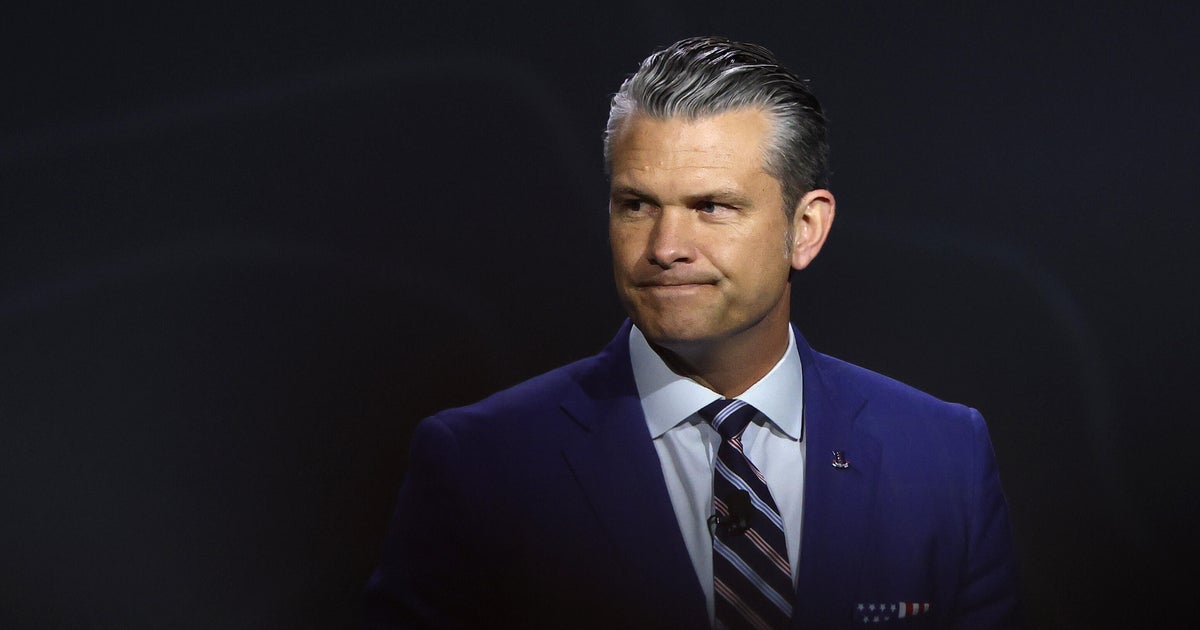
Defense Secretary Pete Hegseth has banned Defense Department personnel from using nonpublic information to bet on U.S. military operations, according to a memorandum obtained by CBS News. The Oct. 20 message went to senior Pentagon leadership and combatant commanders.
The prohibition covers both classified and unclassified information. It specifically includes prediction markets, and the memo names two of the largest, Polymarket and Kalshi. Hegseth wrote that financial transactions on those markets could expose sensitive military movements to foreign adversaries and endanger American troops.
"Make no mistake why this matters. Our enemies watch movements in these markets," Hegseth wrote. "When an American Service member, intelligence professional, or other Department civilian engages in a financial transaction on a military outcome, they create a signal." He warned that foreign intelligence services could study betting activity to anticipate American military movements, targets and the timing of an operation.
The memo says violations could bring administrative discipline or criminal action under federal law or the Uniform Code of Military Justice. It applies to service members, intelligence professionals and Defense Department civilians alike.
The directive follows growing scrutiny of military personnel in prediction markets. In April, a U.S. Special Forces soldier involved in the operation that captured Venezuelan leader Nicolas Maduro was arrested after allegedly betting on Maduro's removal before the raid became public. Federal investigators believe U.S. Army Master Sgt. Gannon Ken Van Dyke placed bets of more than $33,000 on Polymarket within hours of President Trump's announcement in January that Maduro had been captured. The bets paid out more than $409,000.
Prediction markets let users wager on real-world events, from elections to wars, and have drawn lawsuits and regulatory fights over whether they amount to gambling. Earlier this year, New York sued Kalshi, calling it plain gambling, and a Google security engineer was charged with insider trading for allegedly using internal search data to win $1.2 million on Polymarket. The memo puts military operations themselves off limits to anyone holding inside knowledge.
Hegseth's argument is that the risk is not only unfair profit but a live intelligence leak: a sudden swell of bets on a particular outcome could signal to watching governments that something is about to happen. The memo reached CBS News as an internal document, and it does not appear to have been announced publicly. The Pentagon was already dealing with the fallout from the Maduro-raid case, in which prosecutors say a participant in the operation profited from information that only a small circle of people held. The new ban is meant to close that gap before another operation produces the same temptation.