Prediction Markets Face Reality Check as Election Season Approaches
Platforms like Kalshi and Polymarket gain attention from investors and political observers, but experts warn the reality is more complex than promised.
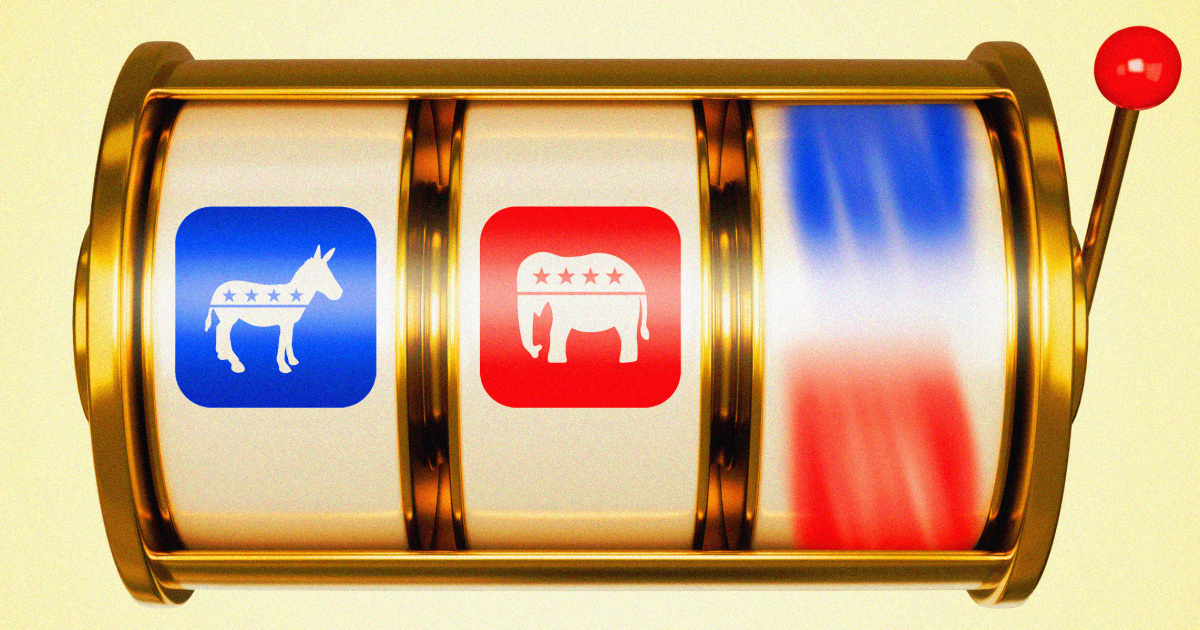
As the midterm elections approach, prediction markets such as Kalshi and Polymarket are attracting significant attention from investors and political observers seeking greater clarity about electoral outcomes. These platforms, which allow users to bet real money on political events, have been promoted as more accurate alternatives to traditional polling methods. However, early experiences suggest that the reality of prediction market effectiveness may be considerably more complex than their proponents initially claimed.
Prediction markets operate on the principle that financial incentives encourage more accurate forecasting than traditional polling methods. Participants risk their own money on political outcomes, theoretically creating stronger motivation for careful analysis and honest assessment of probabilities. Platforms like Kalshi, which operates as a regulated exchange, and Polymarket, which uses cryptocurrency-based transactions, have positioned themselves as providing real-time insights into political sentiment and electoral probabilities.
Despite the theoretical appeal of prediction markets, practical implementation has revealed several challenges that complicate their effectiveness. Market manipulation remains a persistent concern, as wealthy individuals or organizations can potentially skew prices by placing large bets that don't reflect genuine probability assessments. Additionally, participant demographics often skew toward younger, more technologically sophisticated users who may not represent broader voter populations, potentially creating systematic biases in market outcomes.
Regulatory uncertainties also complicate the prediction market landscape. While Kalshi operates under Commodity Futures Trading Commission oversight, questions remain about the legal status of political betting in various jurisdictions. These regulatory gray areas can limit market participation and liquidity, reducing the efficiency that prediction market advocates cite as their primary advantage over traditional polling methods. Some platforms have faced restrictions on certain types of political bets, further limiting their scope and effectiveness.
As election season intensifies, political observers are taking a more cautious approach to interpreting prediction market signals. While these platforms may provide valuable supplementary information about political sentiment, experts increasingly view them as one data source among many rather than revolutionary replacements for traditional polling and analysis. The promise of greater electoral clarity through market mechanisms remains appealing, but the messy reality of implementation suggests that prediction markets may be most valuable when used alongside, rather than instead of, established methods for understanding political dynamics and electoral probabilities.